


17 Hotel Marketing Ideas to Increase Direct Bookings

By: Frank DePino | October 26, 2026


Loading the Elevenlabs Text to Speech AudioNative Player...
Hotel marketing ideas worth testing include room-comparison videos, past-guest email offers, local experience packages, free Google booking links, and direct-booking benefits.
Choose the ideas that address your property’s main challenge, whether that is quiet weekdays, unfinished reservations, or limited repeat business.
Whether you are deciding how to market a hotel business from scratch or updating an established property’s plan, the following ideas cover the full journey, from getting noticed to earning a repeat stay.
Here are the 17 hotel marketing ideas influencing performance:
- Build a One-Page Hotel Marketing Strategy
- Give the Right Guests a Clear Reason to Choose You
- Fix the Mobile Booking Experience Before Buying More Traffic
- Use Hotel SEO to Answer Booking Questions
- Improve Your Google Listing and Check Free Booking Links
- Test Hotel Advertising with a Clear Booking Goal
- Use Hotel Photography to Set Clear Expectations
- Try Hotel Social Media Marketing Ideas That Answer Guest Questions
- Use Guest Content and Creators with Clear Agreements
- Turn Reviews into Service Improvements
- Send Relevant Email Campaigns to Past Guests
- Recover Unfinished Bookings with Relevant Reminders
- Create Local Packages with Clear Inclusions
- Build Promotions Around Dates That Need Bookings
- Give Direct Bookers a Benefit You Can Deliver
- Make Corporate and Group Business Easier to Book
- Measure Stayed Bookings, Not Just Marketing Activity
Is Your Hotel Showing Up in ChatGPT?
Travelers are increasingly using AI tools to research destinations before they ever reach a booking site. See how your hotel appears in these AI-generated answers, where competitors or OTAs may be gaining visibility, and whether there are opportunities to strengthen your presence.
17 Hotel Marketing Ideas to Put Into Practice
1. Build a One-Page Hotel Marketing Strategy
Write a one-page plan connecting your booking goal, target guests, offer, channels, budget, and responsible team member.
A practical marketing strategy for the hotel industry should start with available rooms and realistic demand, not a list of platforms to join. Choose a measurable priority, such as selling additional midweek room nights during a defined period.
Assign each activity to someone and agree on a review date. Keep separate records for when bookings are made and when guests will stay, so a busy reservations week does not disguise a quiet arrival period.
2. Give the Right Guests a Clear Reason to Choose You
Define your audience by trip purpose, then explain why your property suits that stay.
When marketing hotels, replace broad claims such as “something for everyone” with specific benefits. A family may need separate sleeping areas; a business traveler may prioritize a desk and straightforward parking.
For JW Marriott Houston Downtown, Mediaboom used the building’s history and materials such as iron and glass as inspiration for the website. The agency also created construction-site advertising and sales materials for the launch.
The lesson: build your marketing around recognizable property details rather than interchangeable luxury language. Carry that identity from your website into advertising and guest communications.
3. Fix the Mobile Booking Experience Before Buying More Traffic
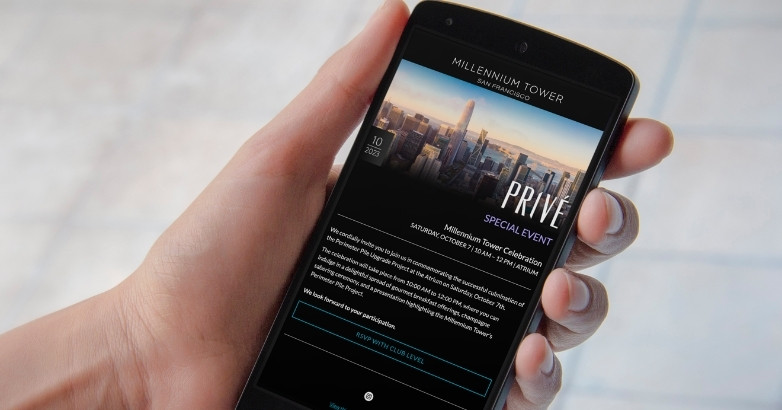
Test the complete journey on a phone: choose dates, compare rooms, review the price, enter details, and reach confirmation.
Show room differences, occupancy limits, relevant fees, and cancellation terms before guests commit. Keep booking buttons easy to find, label form fields clearly, and check that errors explain how to proceed.
For Marina Inn at Grande Dunes, Mediaboom reorganized the site structure, designed a menu that grouped the hotel’s offerings, improved mobile usability, and integrated a booking engine.
Apply the same principle: room information, menus, and checkout should work together. Guests should not have to restart their search when moving from a room page to the reservation system.
4. Use Hotel SEO to Answer Booking Questions
Build your hotel online marketing strategy around questions your property can genuinely answer.
Use hotel SEO to create useful content about nearby venues, business districts, room types, and relevant guest needs. Include practical details such as travel options, parking, sleeping arrangements, and policy information. Avoid publishing near-identical location pages that only change a town name.
Keep essential information available as text, not just inside images. Google’s guidance for AI Overviews and AI Mode follows the same core SEO practices as regular search, without requiring special AI markup.
Elevate Your Hospitality Brand Today
Schedule Your Free Consultation
Seeking to elevate your business? Let Mediaboom guide you. Secure your exclusive, free consultation with our digital marketing experts today.
5. Improve Your Google Listing and Check Free Booking Links
Verify your Google Business Profile and review your address, contact details, website, photos, and available amenities. Google identifies complete, accurate business information as an important part of appearing for relevant local searches.
Then ask your booking provider whether it connects your rates and availability to Google Hotel Center. Free booking links are separate from paid Hotel Ads, and Google does not charge for clicks on those free links. Confirm any provider fees separately.
Test the resulting booking path for several dates and room combinations. A visible rate is useful only when guests can reach the corresponding offer.
6. Test Hotel Advertising with a Clear Booking Goal
Choose one audience, one offer, and a matching landing page before increasing advertising spend.
Useful hotel advertising ideas include search ads for relevant accommodation queries, social ads for a defined package, and Hotel Ads for travelers comparing available rates.
Separate searches for your hotel’s name from broader destination searches in reporting. Someone already looking for your property is different from someone discovering it for the first time.
Set a spending cap and evaluate completed reservations. Before using value-based Hotel Ads bidding, confirm that your setup meets Google’s requirements for purchase tracking and booking values.
7. Use Hotel Photography to Set Clear Expectations
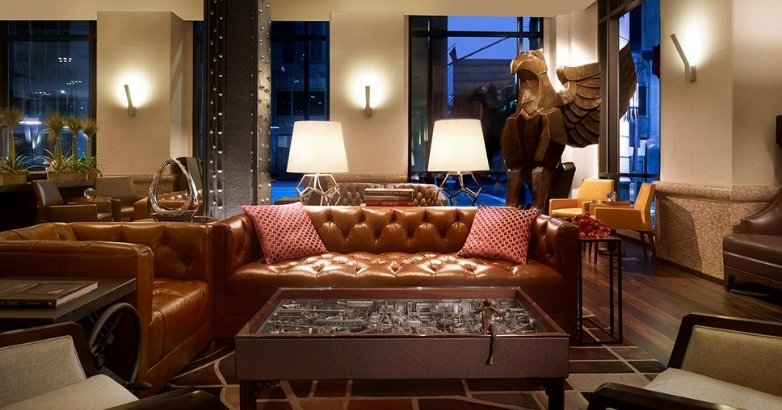
Create accurate photographs of each room category, bathrooms, views, shared spaces, and relevant accessibility features.
Do not illustrate every offer with the most expensive suite. Label images clearly so guests understand what belongs to their selected room.
Capture both landscape and vertical formats, add descriptive alternative text, and reduce file sizes for mobile use. Consider a virtual tour where layout matters, such as a meeting space or multiroom suite, but provide written details too.
Refresh the assets after meaningful changes to the property rather than allowing old photographs to set the wrong expectations.
8. Try Hotel Social Media Marketing Ideas That Answer Guest Questions
Turn common pre-booking questions into social posts that show the answer.
Try a “Room or suite?” video. Compare sleeping space, seating, and workspace side by side, then direct viewers to your room-comparison page through an available profile or post link.
Other useful subjects include a staff-led explanation of parking, a breakfast preview, or a walk to a nearby attraction. Add captions so the content remains understandable without sound.
Choose a publishing schedule your team can maintain. Track relevant website visits and reservations alongside saves and shares. A widely viewed clip is not automatically a profitable campaign.

9. Use Guest Content and Creators with Clear Agreements
Partner with creators whose audience location and travel interests match the guests you want to attract.
For example, invite a suitable creator to document “24 hours at the hotel,” covering arrival, the room, a nearby experience, and breakfast. Agree on deliverables, usage rights, and measurement before arranging the stay.
For guest photographs, request written permission specifying where and how you will reuse the content.
Treat disclosure as part of the brief. The FTC’s influencer disclosure guidance covers relationships involving free or discounted services, including posts from abroad that could foreseeably affect U.S. consumers.
Judge the partnership against its objective, whether that is reusable photography, relevant visits, inquiries, or bookings.
10. Turn Reviews into Service Improvements
Use recurring review themes to improve both the guest experience and the information you publish.
Repeated confusion about parking, for example, may call for clearer pre-arrival instructions and a short arrival video. Assign responsibility for monitoring reviews and passing actionable issues to the right team.
Keep public replies specific and respectful without revealing private reservation details. Request honest feedback without rewards or filtering for satisfied guests: Google prohibits incentivized reviews and selectively soliciting positive reviews.
Check whether the same concerns continue after a fix. A response should support better service, not simply make the review page look active.
11. Send Relevant Email Campaigns to Past Guests
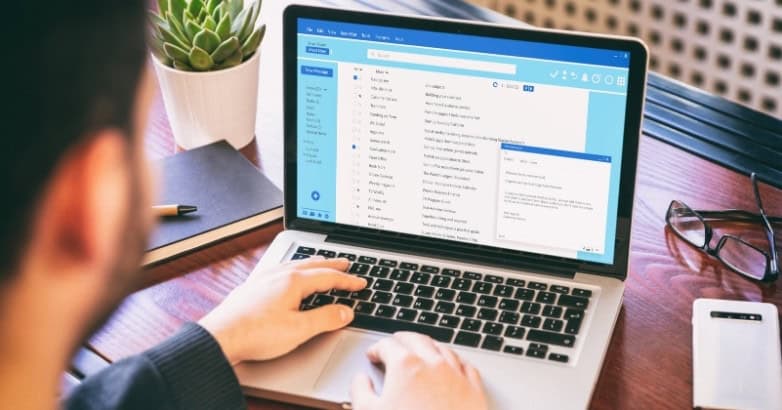
Build hotel marketing campaigns for defined audiences rather than sending every offer to your entire database.
For a past-guest campaign, test the subject line “Make your next escape a midweek stay.” Present one eligible offer, its dates, and one booking button leading to the matching package page.
Other hotel email marketing examples include seasonal return offers and messages tied to relevant guest interests.
Use a permission-based list and make unsubscribing easy. For U.S. campaigns, review the FTC’s commercial email requirements before launch.
Automate suitable follow-ups, but check audience rules, rates, and availability before sending. Measure bookings and revenue after cancellations, not email opens alone.
12. Recover Unfinished Bookings with Relevant Reminders
Offer a way to save a quote or return to an incomplete reservation when your booking system supports it.
A reminder can bring guests back to their selected dates and room category with a clear “Resume your booking” button. Confirm the current rate and availability when they return unless you genuinely held the offer.
Send limited reminders only when contact permissions and applicable rules allow them. Stop messages after a completed reservation or once the proposed dates have passed.
Before adding recovery messages, investigate payment errors, confusing terms, and mobile usability. A reminder should help someone finish a booking, not compensate for a checkout process that still does not work.
Is Your Hotel Showing Up in ChatGPT?
Travelers are increasingly using AI tools to research destinations before they ever reach a booking site. See how your hotel appears in these AI-generated answers, where competitors or OTAs may be gaining visibility, and whether there are opportunities to strengthen your presence.
13. Create Local Packages with Clear Inclusions
Connect your hospitality and tourism marketing strategies through experiences guests can actually book.
A hotel near a theater could test a “Curtain Call Weekend” with breakfast and a partner dining credit. State clearly whether performance tickets are included.
Agree with the partner on capacity, fulfillment, cancellations, costs, and responsibility for guest questions before advertising the package. Explain who the offer suits and how reservations work.
Do not leave guests to arrange an advertised inclusion themselves unless that requirement is clearly stated.
Measure package uptake and the contribution remaining after partner and delivery costs. More package sales are not a success when the offer costs too much to provide.
14. Build Promotions Around Dates That Need Bookings
Develop hotel promotion ideas for specific demand gaps rather than discounting your whole calendar.
A Sunday-night extension, a midweek dining stay, or a seasonal two-night package gives you something concrete to test. Set eligible dates, an end date, and inventory limits with your revenue team.
Use your booking history to decide when to promote the stay. For event campaigns, verify the schedule and travel details with organizers before publication.
Avoid reducing rates on dates that are already likely to sell. Test an added benefit where it supports the guest experience and leaves sufficient margin.
15. Give Direct Bookers a Benefit You Can Deliver
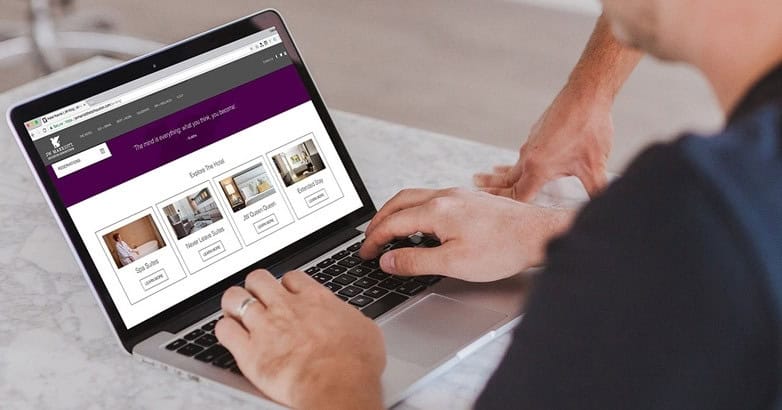
Offer a clear reason to book on your website beyond a generic “best experience” promise.
Consider a breakfast credit, included parking, a welcome amenity, or a clearly defined flexible rate. State the conditions and make sure reservations staff can explain the same offer.
Check brand policies and distribution agreements before publishing exclusive benefits or member rates. Do not promise a guaranteed upgrade or late checkout when availability cannot support it.
Keep online travel agency listings accurate too. Compare direct and third-party bookings after accounting for commissions, advertising, processing, and the cost of any benefits.
16. Make Corporate and Group Business Easier to Book
Create separate sales information for corporate stays, wedding room blocks, and meetings your property can serve.
For business travel packages, speak with nearby employers about trip frequency, length of stay, billing, and who approves accommodation.
Publish the details each buyer needs, such as workspace, parking, meeting capacity, room-block terms, and a named contact. Provide a clear inquiry route rather than asking everyone to use the standard booking form.
Assign someone to follow up and track confirmed business, not just submitted inquiries.
17. Measure Stayed Bookings, Not Just Marketing Activity
Evaluate hotel marketing techniques against the goal they were chosen to support.
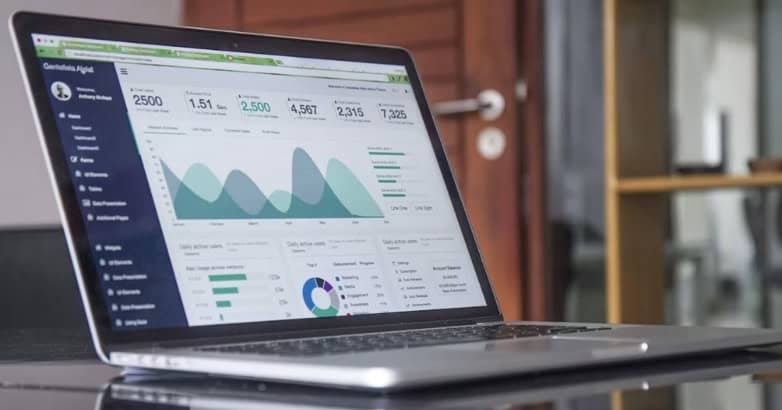
Track completed reservations, stayed room nights, acquisition cost, repeat bookings, and contribution after relevant costs. Use traffic and engagement to diagnose performance, not as substitutes for revenue.
When a booking engine sits on another domain, ask your analytics team to verify cross-domain measurement and purchase events so activity across the website and booking engine can be connected.
Match reports with reservation records to account for cancellations and duplicate transactions. A “Book Now” click is not a confirmed reservation, and attributed revenue does not automatically represent additional business.
Where Should Your Hotel Start?
Start with the weakest part of your booking journey rather than adding every available marketing channel.
| Your main challenge | Start here | Measure |
| Too few suitable website visitors | Search content, Google listings, and focused advertising | Qualified visits and completed reservations |
| Visitors leave without booking | Mobile usability, room information, and checkout | Booking conversion rate |
| Certain dates remain quiet | Past-guest email, local events, and targeted packages | Stayed room nights for those dates |
| Guests rarely return | Relevant follow-up and direct-booking benefits | Repeat bookings |
| Group inquiries do not convert | Clear sales information and timely follow-up | Confirmed group business |
Hotel Marketing Strategy Example: Fill Quiet Weekdays
This hotel marketing strategy example is an illustrative plan, not a reported client result.
Imagine an independent hotel with strong weekends but underused rooms from Sunday through Thursday.
| Campaign element | Example |
| Goal | Sell 24 additional weekday room nights over six weeks |
| Audience | Previous leisure guests within driving distance who have agreed to receive marketing |
| Offer | A two-night midweek package with breakfast |
| Channels | Segmented email, local-partner mentions, and a limited paid-social test |
| Landing page | Eligible dates, inclusions, clear pricing, cancellation terms, and direct booking |
| Cost controls | Check package delivery costs, cap media spending, and exclude high-demand dates |
| Success measure | Stayed room nights and contribution after campaign and package costs |
Campaign message: “A quieter midweek break, with breakfast included.”
Booking button: “View eligible dates.”
Launch the booking page first, check the offer end to end, and then release the campaign.
Compare results with expected demand for similar dates. Where practical, hold back a small comparable audience from receiving the campaign to help assess whether it generated additional bookings.
Do not credit the campaign with every reservation made during the promotional period.
Hotel Marketing FAQs
I. Which Hotel Marketing Ideas Suit a Small Budget?
Start with accurate listings, clearer room pages, useful guest content, review responses, and relevant past-guest email.
These hotel marketing tips avoid committing immediately to large media purchases, but still require staff time. Fix the most important booking issue first, then test one additional channel with a defined spending limit.
II. How Should a New Hotel Start Marketing?
Establish a clear position, accurate room information, current photographs, a working booking path, and verified business listings.
Build local relationships and an interested email audience before expanding campaigns. Advertise only opening dates, facilities, and experiences you can confidently deliver, and have a plan for communicating changes.
III. How Much Should a Hotel Spend on Marketing?
Set the budget around your booking goals, available inventory, contribution margins, and affordable acquisition cost rather than copying a universal percentage.
Separate ongoing website and content work from campaign spending. Increase a campaign’s budget only when verified results support the added cost and your property can accommodate the resulting demand.
Elevate Your Hospitality Brand Today
Schedule Your Free Consultation
Seeking to elevate your business? Let Mediaboom guide you. Secure your exclusive, free consultation with our digital marketing experts today.
Turn Your Marketing Plan into a Clearer Path to Booking
Choose one problem, one audience, and a small set of actions your team can execute well. Review what happens between the first visit and the completed stay before adding more channels.
Mediaboom’s hotel marketing services include website design, search visibility, paid advertising, and email marketing. Talk with our team about a plan built around your property’s positioning, booking goals, and guest experience.
WHAT OUR CLIENTS SAY
By: Frank DePino
Frank DePino is the Principal and Founder of Mediaboom, a top hotel marketing agency partnering with leading hotel and hospitality brands. With 30+ years of experience, he has led strategic digital initiatives for names including Four Seasons, Ritz-Carlton, JW Marriott, Millennium Partners, and Guardian Jet. Frank helps hospitality businesses strengthen brand presence, drive qualified leads, and elevate guest experiences through website design, SEO, content marketing, and paid media. Under his leadership, Mediaboom is a trusted partner for brands pursuing measurable digital growth in a competitive hospitality landscape.


