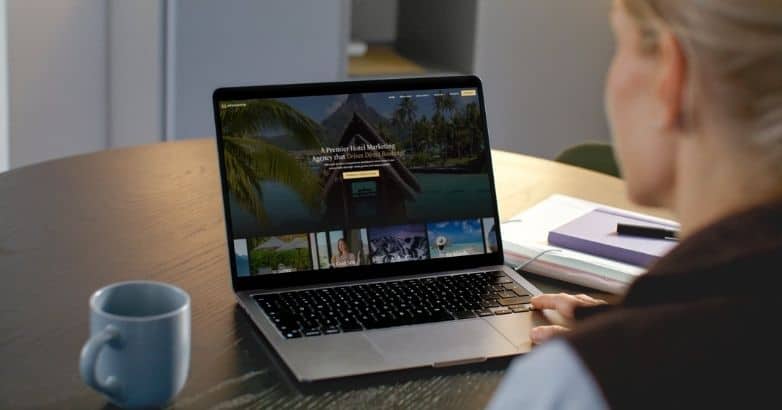

Travel Content Marketing – 8 Strategies to Boost Bookings

By: Frank DePino | September 10, 2026


Loading the Elevenlabs Text to Speech AudioNative Player...
Travel content marketing is the creation and distribution of useful content that helps travelers choose destinations, plan trips, and decide where to book.
Hotels, tour operators, and travel agencies can use destination guides, videos, itineraries, and emails to answer questions, demonstrate their expertise, and connect readers with relevant services.
A beautiful destination photo starts the conversation. Your content should answer the question that follows: “Is this the right trip for me?”
Key takeaways
- Build content around traveler questions and a specific business goal.
- Match each guide, video, or email to a relevant next step.
- Measure qualified inquiries and completed bookings, not just views.
Is Your Hotel Showing Up in ChatGPT?
Travelers are increasingly using AI tools to research destinations before they ever reach a booking site. See how your hotel appears in these AI-generated answers, where competitors or OTAs may be gaining visibility, and whether there are opportunities to strengthen your presence.
Why Is Travel Content Marketing Important?
Travel content marketing gives potential customers useful information before asking them to book. Rather than relying only on promotions, it lets your business demonstrate how well it understands the trip they want to take. This reflects content marketing’s broader purpose: helping potential customers solve problems while supporting commercial goals.
Content marketing for travel industry businesses should address practical decisions: where to stay, which experience to choose, what is included, and how to prepare.
For example, a family tour operator could explain daily walking distances and accommodation arrangements instead of simply describing a trip as “family-friendly.”
8 Travel Content Marketing Strategies
1. Build a Strategy Around One Traveler Segment
Start with one audience, one business goal, and one offer you want your content to support.
“Travelers” is too broad for a useful brief. Choose a specific group, such as couples planning an anniversary trip, families comparing guided holidays, or first-time visitors considering a private tour.
Review booking inquiries and speak with your reservations team. Record the questions that come up repeatedly and the concerns that prevent a decision.
Turn those findings into a simple content calendar containing the topic, format, publication date, owner, and next step. Work backward from your own booking lead times, not just the departure date or peak season.
For example, a private tour operator could build a campaign around the question: “Is a private tour worth the additional cost?”
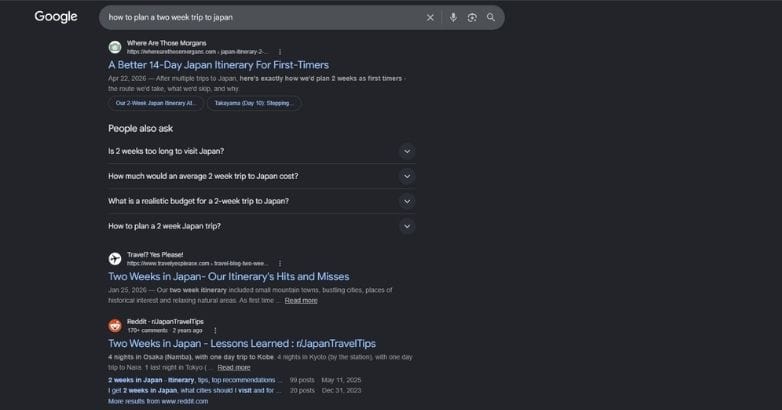
2. Target Searches Travelers Actually Make
Choose keywords that reflect your customers’ trip-planning needs, not the marketing services your business uses.
For a hotel, that might be “where to stay near [attraction].” For a tour operator, try “private vs. group tours in [destination].” For a travel advisor, consider “how to plan a two-week trip to [country].”
Review the search results before selecting a topic. Also check your Search Console queries to see which searches already generate impressions and clicks for your website.
Give each page one main purpose. Use a descriptive title and H1, organize supporting questions under clear headings, and answer each question before adding background.
Google recommends clear, useful, well-organized content and language that reflects how people search.

3. Create Content for Each Booking Stage
Match the content to the decision the traveler is making. Use this planning framework:
| Stage | Example content | Appropriate next step |
| Inspiration | A short video showing a distinctive experience. | Read a related destination guide. |
| Planning | A realistic three-day itinerary. | View relevant stays or tours. |
| Comparison | A private-vs.-group tour guide. | Compare inclusions and availability. |
| Booking | An FAQ covering deposits, meeting points, and cancellation terms. | Book or request a quote. |
| After the trip | A guide to another experience suited to that customer. | Consider a return visit. |
Connect related pages so readers can move from general information to a suitable offer.
Do not push every visitor straight to “Book Now.” Someone comparing destinations may need an itinerary first, while someone comparing departure dates may be ready to check availability.
Is Your Hotel Showing Up in ChatGPT?
Travelers are increasingly using AI tools to research destinations before they ever reach a booking site. See how your hotel appears in these AI-generated answers, where competitors or OTAs may be gaining visibility, and whether there are opportunities to strengthen your presence.
4. Give Every Page a Clear Next Step
Choose a primary call to action that fits the content and leads to a relevant page.
After an itinerary, offer “See tours that follow this route.” After a room comparison, use “Check availability for these room types.” Send readers to the matching offer rather than making them start again on your homepage.
Use descriptive internal links that explain what readers will find. Google recommends contextual anchor text and links to other relevant pages on your site.
Then test the journey on a phone. Check text readability, image loading, form length, and whether important terms are easy to find before payment.
Keep booking clicks separate from completed bookings. A click shows interest, not a confirmed reservation.
5. Show the Experience Through Video and Local Stories
Use video to answer questions that are difficult to resolve through description alone.
Film a guide explaining a typical day, a room walkthrough showing the actual layout, or a short preview of the terrain on a tour. Combine the attractive moments with details about what travelers should expect.
Bring in firsthand knowledge from guides, concierges, hosts, and local partners. Ask what visitors misunderstand, which practical advice they repeat, and what makes an experience distinctive.
This approach also reflects Google’s emphasis on firsthand expertise and content that adds value beyond summarizing other sources.
Add accurate captions to videos with speech or meaningful audio. Captions make that information available to people who cannot hear it.
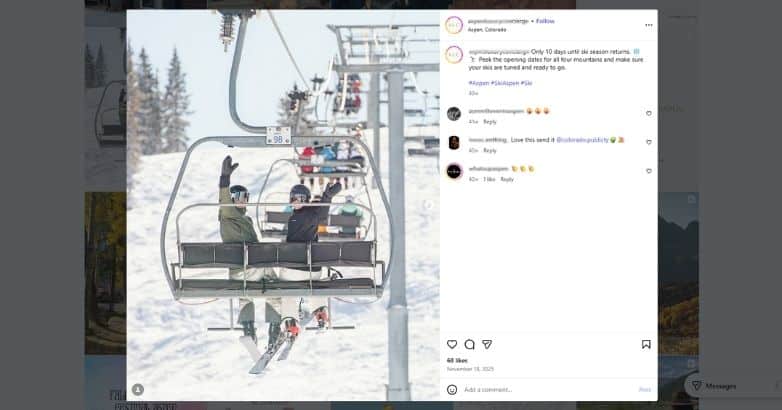
6. Share Content Across Social Media and Local Partnerships
Choose distribution channels your team can support, then adapt the content for each one.
For a three-day itinerary, create a short video introducing the route, a carousel covering one day, and a post answering a common planning question. Give each version a useful takeaway and a clear route to the full guide where linking is available.
Invite relevant local partners to contribute firsthand advice and share the finished piece with their audiences.
For traveler-created content, request permission before reuse and credit the creator as agreed. Keep the original context: a guest’s photograph should not suggest that an experience is included when it costs extra.
Track visits and inquiries from these efforts rather than judging them only by likes.
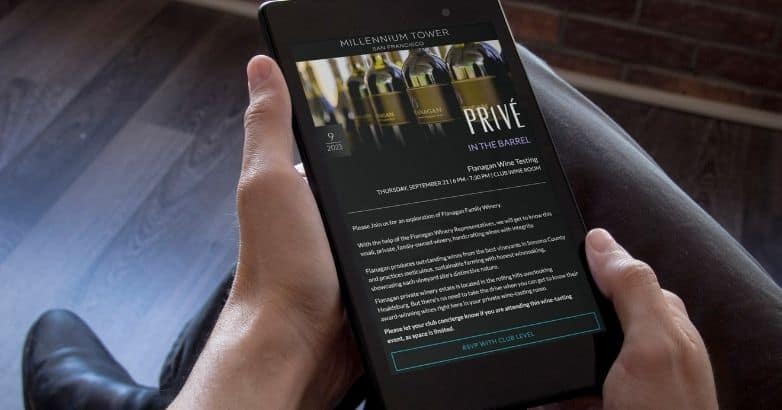
7. Follow Up With Relevant Email Content
Send information that matches what subscribers have told you about their interests and travel plans.
Someone who requests a family itinerary should receive family-focused guidance, not unrelated couples-only offers.
A sample sequence could deliver the itinerary first, answer common planning questions next, and then introduce a relevant trip or consultation. After a booking, switch to preparation content rather than continuing the same sales messages.
Keep each email focused on one main action. Use permission-based lists and make subscription preferences easy to manage.
Add consistent campaign tags to links from emails and social posts. Google Analytics supports these tags for identifying which campaigns bring visitors to your website.

8. Measure Results and Refresh Your Content
Evaluate content against the goal you set, then investigate where readers stop progressing.
Use Search Console to review the queries and pages generating search impressions and clicks.
Alongside those visibility measures, track visits to relevant offers, qualified inquiries, completed bookings, and revenue where your systems support it. For travel agencies that close sales by phone, record which inquiries become customers.
If bookings happen on another domain, check whether your booking provider supports Google Analytics cross-domain measurement. This helps connect the journey across supported domains. Also test whether a completed reservation is recorded correctly before reporting booking revenue.
Review results monthly and compare similar seasonal periods. Traffic without inquiries is a reason to check audience fit, the offer, and the next step.
Assign someone to review seasonal dates, prices, accessibility details, and trip availability before reusing content.
Is Your Hotel Showing Up in ChatGPT?
Travelers are increasingly using AI tools to research destinations before they ever reach a booking site. See how your hotel appears in these AI-generated answers, where competitors or OTAs may be gaining visibility, and whether there are opportunities to strengthen your presence.
What Content Works for Different Travel Businesses?
Prioritize content that answers the questions specific to what you sell. A hotel room, a guided excursion, and a custom itinerary need different explanations.
Tour Operator Content Marketing
Tour operator content marketing should make the experience easy to assess. Show daily schedules, group sizes, transport, inclusions, and who the trip suits.
A “private vs. group tour” comparison or a guide to choosing between two routes can address a concrete decision. Include situations where another option may be more suitable.
Content Marketing for Travel Agencies
The content marketing travel agency teams produce should demonstrate the value of their advice, not just describe destinations.
Use sample itineraries, comparisons between travel styles, and explanations of your planning process. Describe fees and support accurately. Connect these resources to an inquiry form asking about dates, party size, budget, and priorities.
Content Marketing for Adventure Tourism
Content marketing for adventure tourism should balance excitement with preparation. Explain terrain, required experience, equipment, daily activity, and weather-related changes.
Use footage from the actual experience and have qualified operational staff review participation and safety information. Do not label a trip “suitable for everyone” when meaningful restrictions apply.
Tourism Content Marketing for Hotels and Destinations
Use tourism content marketing to help visitors connect a place with a realistic trip plan.
For hotels, publish itineraries based on your actual location and explain which room types suit different stays. For destinations, consider seasonal guides, transport information, and responsible visitor advice. Verify local details before publication.
Travel Content Marketing Examples
Aspen Luxury Concierge: Answering Destination-Planning Questions
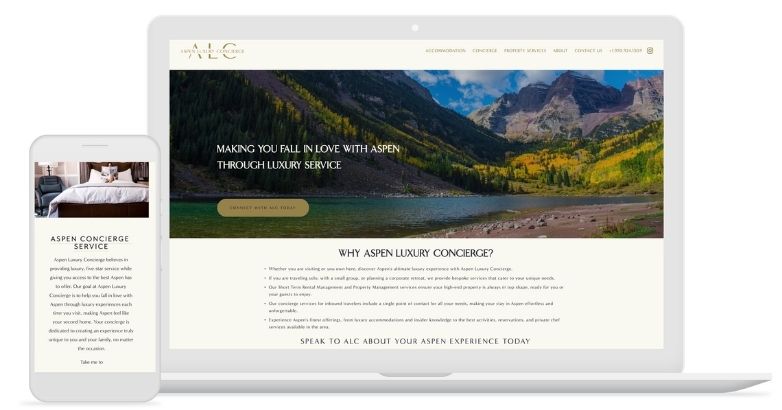
Mediaboom developed a keyword-led content strategy for Aspen Luxury Concierge around information people needed to plan an Aspen trip. Our published case study reports that at least six targeted keywords reached Google’s top ten results within 90 days. The broader campaign also included paid advertising and email marketing.
Apply the idea: Choose destination questions closely connected to the services your business provides.
Overland Summers: Connecting Content With Program Information
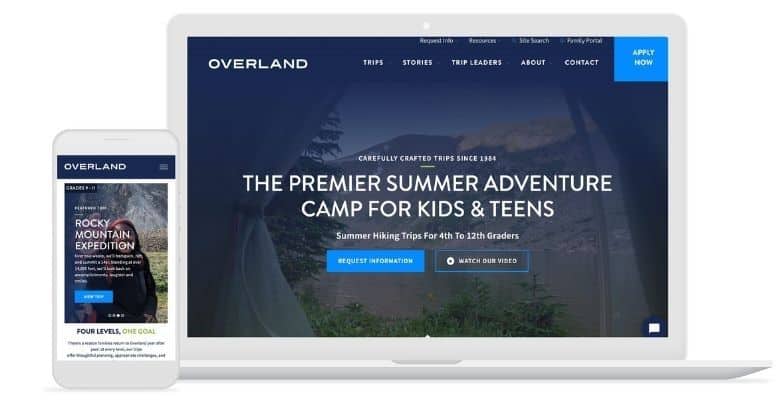
Mediaboom reorganized Overland Summers’ website content and sitemap to make adventure programs and important information easier to find. The project also included a menu designed for both mobile and desktop visitors.
Apply the idea: Review whether someone inspired by a story can easily find the relevant program, understand its requirements, and take the next step.
FAQs About Travel Content Marketing
I. How Often Should Travel Businesses Publish Content?
Choose a schedule your team can maintain without sacrificing accuracy. One substantial guide a month, repurposed for social and email, is a practical starting point. Adjust based on available resources and results, and reserve time to update existing pages.
II. How Long Does Travel Content Marketing Take to Work?
There is no fixed timetable for generating bookings. Google notes that website changes can take anything from hours to several months to be reflected in search, and not every change produces a noticeable improvement. Assess search visibility separately from inquiries and completed sales.
III. Can a Small Travel Business Handle Content Marketing In-House?
Yes. Start with questions your team already answers and one format you can produce well. A guide’s practical knowledge or an advisor’s planning expertise can provide the substance; bring in specialist help for writing, design, or measurement where your team needs support.
IV. What Should You Look for in a Travel Content Marketing Agency?
Look for relevant work, a clear research process, and reporting that separates visibility from commercial results. Ask who verifies travel information, how content connects to your services, and which deliverables are included. Case studies should explain the work performed and the context behind their results.
Elevate Your Hospitality Brand Today
Schedule Your Free Consultation
Seeking to elevate your business? Let Mediaboom guide you. Secure your exclusive, free consultation with our digital marketing experts today.
Turn Your Travel Content Into a Booking Plan
Choose one traveler segment and one service to promote. Identify its most important unanswered question, publish a useful answer, and connect it to a relevant offer. Plan distribution and measurement before creating the next piece.
Mediaboom provides SEO and content marketing services covering keyword research, content strategy, creation, and reporting.
Contact Mediaboom to discuss a travel content marketing plan built around your audience and booking goals.
WHAT OUR CLIENTS SAY
By: Frank DePino
Frank DePino is the Principal and Founder of Mediaboom, a top hotel marketing agency partnering with leading hotel and hospitality brands. With 30+ years of experience, he has led strategic digital initiatives for names including Four Seasons, Ritz-Carlton, JW Marriott, Millennium Partners, and Guardian Jet. Frank helps hospitality businesses strengthen brand presence, drive qualified leads, and elevate guest experiences through website design, SEO, content marketing, and paid media. Under his leadership, Mediaboom is a trusted partner for brands pursuing measurable digital growth in a competitive hospitality landscape.