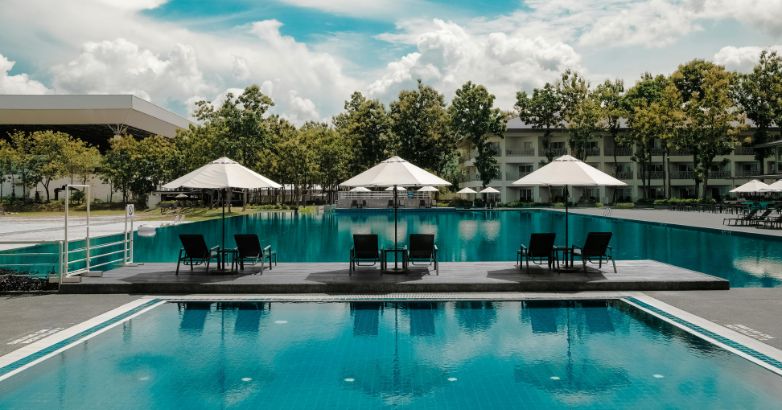
Luxury Hotel Advertising – How to Attract High-Value Guests

By: Frank DePino | May 20, 2026


Loading the Elevenlabs Text to Speech AudioNative Player...
Luxury hotel advertising works best when it sells the experience before it sells the room.
Affluent travelers compare hotels across search engine results, social media platforms, metasearch, OTAs, and luxury travel publications, so your campaigns need to match the guest’s intent at each stage of the booking journey.
This guide explains how you can improve visibility, reach a targeted audience, and build campaigns that drive direct bookings.
Key takeaways:
- Luxury hotel advertising should sell the full guest experience, not only the room.
- Google Hotel Ads and paid search capture travelers already comparing hotel options.
- Social media advertising is best for visual storytelling, discovery, and remarketing.
- Direct booking performance depends on the hotel website, booking engine, offer clarity, and tracking.
- Strong campaigns connect the ad, landing page, and booking path around one clear guest intent.
Is Your Hotel Showing Up in ChatGPT?
Travelers are increasingly using AI tools to research destinations before they ever reach a booking site. See how your hotel appears in these AI-generated answers, where competitors or OTAs may be gaining visibility, and whether there are opportunities to strengthen your presence.
What Is Luxury Hotel Advertising?
Luxury hotel advertising is the process of promoting a high-end hotel, resort, or luxury hospitality brand through paid channels to attract affluent travelers and increase direct bookings across the hospitality industry.
It usually includes Google Ads, Google Hotel Ads, Meta ads, display advertising, video, retargeting, metasearch, luxury travel publications, and selected partnerships.
Luxury hotel advertising is different from standard advertising for hotels because price is not always the main decision factor.
Luxury travelers often care more about service, privacy, design, location, dining, wellness, room quality, and the overall guest experience.
The campaign must reflect the quality of the property from the first ad impression to the booking confirmation.
A generic ad, weak photo, slow hotel website, or unclear booking path can make a luxury brand feel less credible.
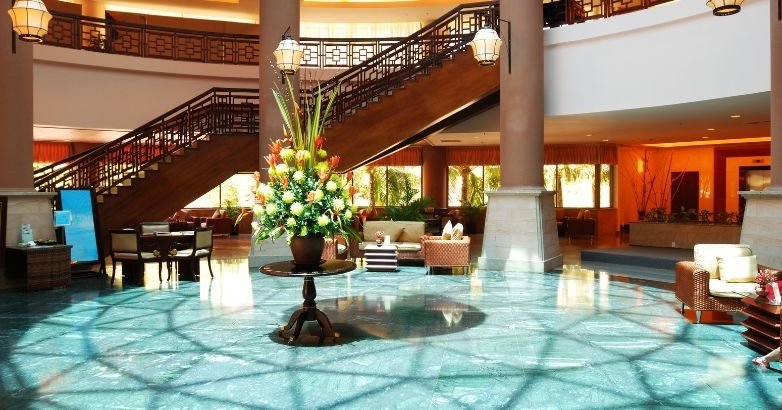
Why Does Luxury Hotel Advertising Matter for Direct Bookings?
Luxury hotel advertising matters because it helps premium properties appear when high-value guests are researching, comparing, and booking.
Without paid visibility, luxury hotels can lose demand to OTAs, metasearch platforms, competing resorts, boutique properties, and branded hotel groups.
Direct bookings also give the hotel more control over guest data, room packages, upsells, loyalty programs, and follow-up marketing.
That matters because the value of a luxury guest often extends beyond one stay.
Google Hotel campaigns, for example, can show hotel ads when travelers search on Google Search or Maps.
Google states that hotel booking modules can show photos, amenities, prices, and a booking link, which makes the channel highly relevant during hotel comparison.
For luxury hotels, the goal is not just more website traffic.
The goal is more qualified demand from guests who match the property’s rate structure, service level, and luxury brand positioning.
Which Advertising Channels Work Best for Luxury Hotels?
The best luxury hotel advertising channels are Google Hotel Ads, Google Search Ads, Meta Ads, YouTube, display retargeting, luxury media placements, and selected partnerships. Each channel should have a clear role in the booking journey.
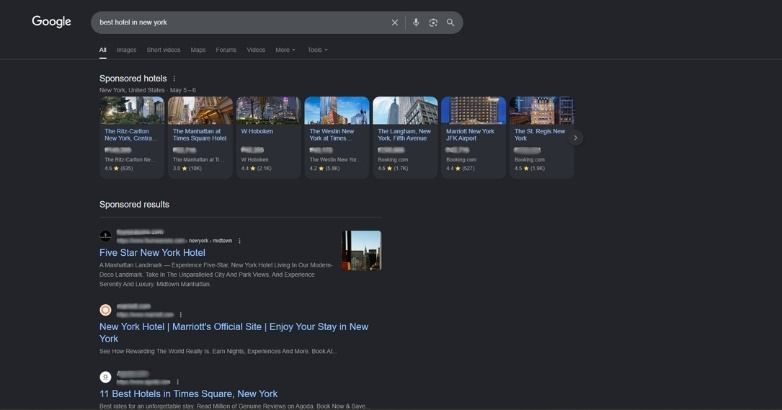
How do Google Search Ads help luxury hotels?
Google Search Ads help luxury hotels reach travelers who are actively searching for a specific type of stay. These searches often show clear intent, such as:
- luxury hotel in [destination]
- 5-star resort in [destination]
- luxury spa hotel
- romantic luxury hotel
- oceanfront luxury resort
- private villa resort
Build ad groups around intent, not broad themes. A spa search should send the user to a spa or wellness landing page. A wedding search should send the user to a weddings page. A romantic getaway search should send the user to a couples package or suites page.
Avoid sending every paid search click to the homepage. The more closely the landing page matches the search, the easier it is for potential guests to understand the offer and book.
How do Google Hotel Ads help luxury hotels?
Google Hotel Ads help luxury hotels appear when travelers compare prices, availability, amenities, and booking options. This is one of the most valuable moments for direct booking campaigns.
These ads are especially important when OTAs appear beside the hotel’s direct booking option. If the hotel does not appear with a strong direct rate, clear availability, and a reliable booking path, the guest may book elsewhere.
Google Hotel Ads require accurate rates, room availability, booking engine connection, and Google Business Profile consistency. If those inputs are wrong, the campaign can waste spend or create a poor guest experience.
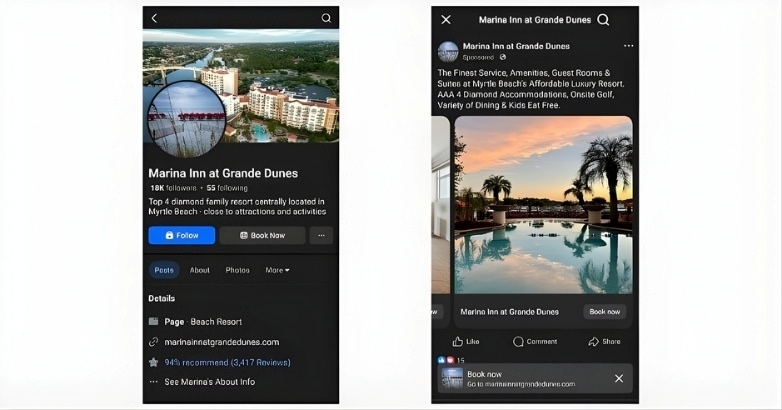
How do Meta Ads support luxury hotel advertising?
Meta Ads support luxury hotel advertising by showing the visual side of the property. Instagram and Facebook work well for suites, spa treatments, dining, weddings, seasonal packages, destination moments, and remarketing.
Meta travel ads can also retarget people who visited a hotel website or app with relevant hotels, flights, or destinations. Meta’s own travel ad documentation describes this use case for reaching users based on past site or app activity.
For luxury hotels, the creative should feel polished, calm, and specific. Use high-quality visuals that reflect the property’s service, atmosphere, and guest expectations.
Elevate Your Hospitality Brand Today
Schedule Your Free Consultation
Seeking to elevate your business? Let Mediaboom guide you. Secure your exclusive, free consultation with our digital marketing experts today.
How do video and YouTube ads help luxury hotels?
Video and YouTube ads help luxury hotels show the feeling of the stay before the traveler visits the website.
This is useful for high-consideration bookings where guests want to see the atmosphere, arrival experience, rooms, views, spa, dining, and surrounding destination.
Use short videos for awareness and longer videos for remarketing. A 15-second video can introduce the property. A 30 to 60-second video can show a full experience, such as a wellness weekend, wedding stay, or luxury family trip.
Luxury hotel video should focus on emotion and proof: quiet spaces, private service, room details, dining moments, views, and local experiences.

How do display and retargeting ads help potential guests return?
Display and retargeting ads help bring back people who already showed interest. These audiences may have visited room pages, package pages, wedding pages, spa pages, or the booking engine.
Segment retargeting by behavior:
- Homepage visitors
- Room and suite viewers
- Package viewers
- Wedding or event page visitors
- Spa and dining page visitors
- Booking engine abandoners
- Past guests
Use frequency caps so the luxury brand does not feel intrusive. A premium hotel should stay visible, not feel aggressive.
How do luxury publications, influencers, and partnerships fit in?
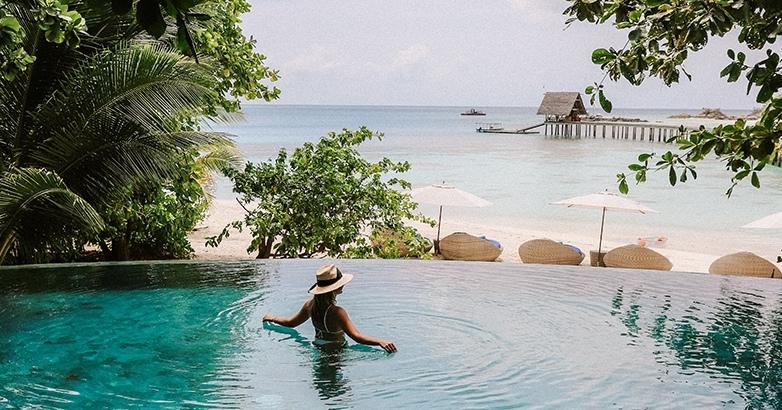
Luxury publications, influencers, destination guides, curated newsletters, and event partnerships are best for brand trust and demand creation. They help the hotel appear in places where affluent travelers look for inspiration.
Expedia Group’s 2025 Traveler Value Index reported that 88% of global consumers planned a leisure trip in the next year, 68% planned international travel, more than 60% used social media for inspiration, and 73% said influencer recommendations had affected booking decisions.
The key is fit. A smaller creator or publication with the right target market can be more useful than a large audience that does not match the hotel’s guest profile.
Is Your Hotel Showing Up in ChatGPT?
Travelers are increasingly using AI tools to research destinations before they ever reach a booking site. See how your hotel appears in these AI-generated answers, where competitors or OTAs may be gaining visibility, and whether there are opportunities to strengthen your presence.
Google Hotel Ads vs Paid Search vs Social Ads: Which Is Best?
So, Google Hotel Ads and Google Search Ads are best for direct booking demand. Meta Ads, YouTube, display retargeting, and luxury media are better for awareness, inspiration, and bringing warm audiences back.
| Channel | Best for | Trade-off | Avoid if |
| Google Hotel Ads | Rate comparison and direct bookings | Needs accurate rates, availability, and booking engine setup | Rates or availability are unreliable |
| Google Search Ads | High-intent keyword demand | Can be expensive in competitive luxury markets | Landing pages are weak or too broad |
| Meta Ads | Visual discovery and retargeting | Lower booking intent than search | Creative assets are poor |
| YouTube Ads | Brand storytelling | Attribution may be less direct | No strong video assets exist |
| Display Retargeting | Returning warm visitors | Can feel repetitive without frequency limits | Audience segments are not set up |
| Luxury media and partnerships | Brand trust and awareness | Harder to measure directly | The hotel needs immediate booking volume only |
Decision helper: Use Google Hotel Ads and Search Ads when the goal is direct booking demand. Use Meta, YouTube, influencers, and luxury media when the goal is awareness, inspiration, and remarketing. A strong luxury hotel marketing strategy usually combines both.

How Should Luxury Hotels Define Their Target Audience?
Luxury hotels should define their target audience by trip motivation, not only demographics. Two guests may have similar income levels but completely different booking reasons.
Common audience segments include:
- Romantic getaway travelers
- Spa and wellness travelers
- Luxury family travelers
- Destination wedding guests
- Corporate retreat planners
- Affluent international travelers
- Past guests and loyalty program members
The message should change for each audience. A wellness traveler may care about spa treatments, quiet spaces, nutrition, and privacy. A wedding planner may care about venue capacity, guest rooms, planning support, food, photography areas, and service quality.
Luxury hotels should also use first-party data where possible. Past guest lists, CRM data, email engagement, booking history, loyalty programs, and website behavior can help build remarketing audiences and repeat-stay campaigns.
What Messaging Works Best in Luxury Hotel Advertising?
The best luxury hotel advertising messages lead with emotion, proof, and specificity. Generic claims like “unforgettable stay” or “world-class service” are weak unless the ad shows what makes the experience different.
Strong message angles include:
- Oceanfront suites
- Private villas
- Spa retreats
- Chef-led dining
- Wedding venues
- Ski-in/ski-out access
- Historic property
- Wellness programming
- Local cultural experiences
- Personalized services
Each message should connect to a matching landing page. If the ad promotes a private villa stay, the landing page should show villa photos, room details, amenities, rates, and a direct booking CTA.
| Guest intent | Ad message angle | Landing page |
| Romantic escape | Private suites, dining, spa, views | Romance package page |
| Wellness trip | Spa treatments, quiet setting, wellness itinerary | Spa and wellness page |
| Destination wedding | Venue, guest rooms, planning support | Weddings page |
| Luxury family trip | Space, safety, activities, suites | Family travel page |
| Business retreat | Meeting space, privacy, dining, service | Corporate retreats page |
How Can a Luxury Hotel Website Improve Advertising Conversion Rates?
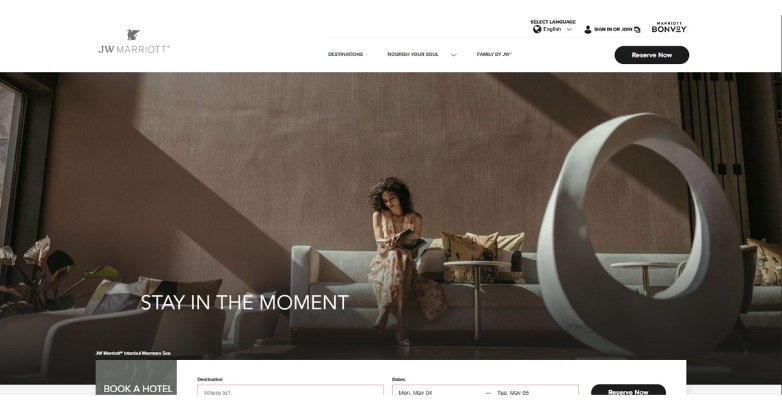
A luxury hotel website improves advertising conversion rates by matching the ad promise with a fast, clear, and premium booking experience. If the ad feels high-end but the website feels slow, thin, or confusing, the campaign loses trust.
Every paid campaign should send guests to a relevant page with matching imagery, copy, and booking options.
A strong luxury hotel landing page should include:
- Clear room and suite details
- Premium photography and video
- Fast mobile performance
- Direct booking CTA
- Rate and package clarity
- Awards, reviews, press, or affiliations
- Location and nearby experience details
- Simple booking engine path
- Clear cancellation or booking terms
Luxury travelers need confidence before they book, especially for high nightly rates. The hotel website should answer the guest’s next question before they have to search elsewhere.

How Should Luxury Hotels Measure Advertising Performance?
Luxury hotels should measure both direct bookings and assisted demand. Not every guest books on the first click, especially for expensive stays.
Core advertising metrics include:
- Cost per booking
- Booking conversion rate
- Return on ad spend
- Revenue by campaign
- Average daily rate
- Length of stay
- Booking engine abandonment
- Assisted conversions
- Branded search lift
- Email signups and inquiry forms
Do not judge every channel by last-click revenue only. A traveler may first see the hotel on Instagram, return through Google Search, compare rates in Google Hotel Ads, and later book directly.
For better reporting, separate high-intent campaigns from awareness campaigns. Google Hotel Ads and Search Ads should be held closer to booking revenue.
Meta, YouTube, and luxury media should also be reviewed for assisted conversions, remarketing list growth, branded demand, and lead quality.
Elevate Your Hospitality Brand Today
Schedule Your Free Consultation
Seeking to elevate your business? Let Mediaboom guide you. Secure your exclusive, free consultation with our digital marketing experts today.
How Much Should Luxury Hotels Spend on Advertising?
Luxury hotels should usually plan total marketing spend around 5–8% of annual revenue, with paid advertising taking a smaller share of that budget based on occupancy goals, seasonality, and direct booking needs.
Hospitality Net panel notes that broader 2025 marketing budgets across industries averaged 7.7% of total revenue, while U.S. hotels often spend less than 2.5% of room revenue on marketing, including sales and marketing payroll.
A luxury hotel with a high average daily rate can usually justify a higher cost per booking than a midscale property. The real question is not “How cheap can the click be?” It is “How much can the hotel spend to profitably bring in the right guest?”
A practical paid advertising split starts with intent:
| Budget area | Suggested share | Best channels |
|---|---|---|
| High-intent demand | 50–60% | Google Hotel Ads, Google Search Ads |
| Retargeting | 20–30% | Meta, display, YouTube |
| Awareness | 10–20% | Video, social, luxury media, partnerships |
| Loyalty and repeat stays | 5–10% | Email, CRM lists, paid remarketing |
For example, if a luxury hotel wants to drive $500,000 in direct booking revenue from paid media and uses a target ROAS of 8:1, the estimated ad budget would be $62,500.
Formula:
Direct booking revenue goal ÷ target ROAS = advertising budget
$500,000 ÷ 8 = $62,500
Start with high-intent search and metasearch first.
Add retargeting once traffic quality and tracking are in place. Add broader awareness only after the hotel website, landing pages, and booking engine can convert the demand.

What Are the Most Common Luxury Hotel Advertising Mistakes?
The most common luxury hotel advertising mistake is sending paid traffic to a generic homepage. A homepage can introduce the brand, but it usually does not match the specific reason someone clicked an ad.
Other common mistakes include:
- Using generic creative that does not show the property’s strongest experience
- Running ads without booking engine tracking
- Measuring only last-click conversions
- Treating luxury travelers as one broad audience
- Competing only on price
- Ignoring Google Hotel Ads while OTAs appear in hotel search results
- Running social ads without retargeting
- Using low-quality photos or videos
- Failing to match ad copy with the landing page
- Reviewing campaigns by clicks instead of booking value
The fix is to make each campaign specific. One audience, one intent, one message, one landing page, and one clear booking action.
What Is the Best Luxury Hotel Advertising Strategy?
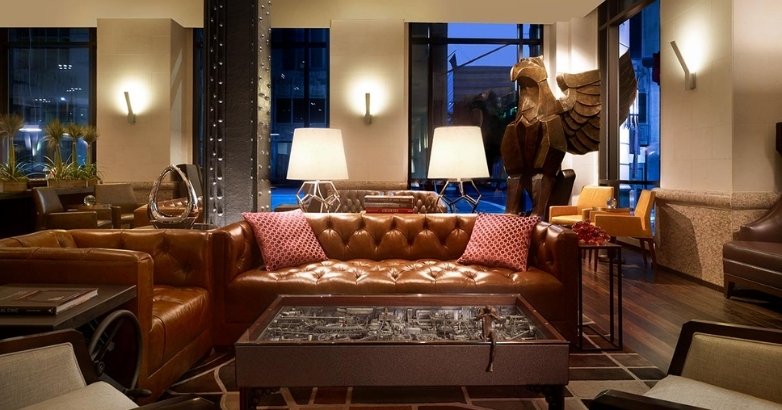
A strong luxury hotel marketing strategy connects the full guest journey: discovery, comparison, trust-building, booking, and loyalty. It should combine high-intent channels with visual storytelling and strong direct booking paths.
Use this sequence:
- Define the target guest segments.
- Audit search demand, competitor ads, OTA visibility, and current direct booking paths.
- Set up tracking across GA4, Google Ads, Meta, the booking engine, and call or form tracking.
- Build landing pages for priority audiences and offers.
- Launch Google Hotel Ads and paid search for high-intent demand.
- Launch Meta and display retargeting for warm audiences.
- Add YouTube, influencers, and luxury media for awareness.
- Review performance monthly by booking value, not just traffic or clicks.
This order keeps the strategy practical. It captures existing demand first, then brings back warm visitors, then builds more demand through visual and brand-led channels.
FAQs
I. What is luxury hotel advertising?
Luxury hotel advertising promotes a premium hotel or resort through paid channels to attract affluent guests and increase direct bookings. It usually includes search ads, Google Hotel Ads, social media ads, video, retargeting, influencer partnerships, and luxury media placements.
II. What is the best advertising channel for luxury hotels?
The best advertising channel depends on the goal. Google Hotel Ads and Google Search Ads are strongest for high-intent booking demand, while Meta Ads, YouTube, and luxury media are better for inspiration, storytelling, and remarketing.
III. How is luxury hotel advertising different from regular hotel advertising?
Luxury hotel advertising focuses more on experience, exclusivity, service, design, privacy, dining, wellness, and emotional appeal. Regular hotel advertising often focuses more on price, location, and availability.
IV. Should luxury hotels use Google Hotel Ads?
Yes, most luxury hotels should consider Google Hotel Ads if they have accurate rates, availability, and a reliable booking engine. Google Hotel Ads can help the hotel compete for direct bookings when travelers compare options in Search and Maps.
V. Do social media ads work for luxury hotels?
Yes, social media ads can work well for luxury hotels when the creative quality is high and the campaigns are built around visual storytelling. They are especially useful for spa, dining, weddings, seasonal packages, destination content, and retargeting past website visitors.
VI. How much should a luxury hotel spend on advertising?
A luxury hotel advertising budget should be based on average daily rate, occupancy goals, market competition, seasonality, and expected booking value. High-intent search and metasearch campaigns should usually come before broad awareness campaigns.
VII. What makes a luxury hotel ad effective?
An effective luxury hotel ad shows a specific experience, speaks to a clear audience, uses premium visuals, and sends the user to a relevant landing page. The ad should make the guest feel the value of the stay before they compare rates.
VIII. How can luxury hotels increase direct bookings from ads?
Luxury hotels can increase direct bookings by using Google Hotel Ads, building better landing pages, adding clear direct booking benefits, retargeting website visitors, and tracking booking engine performance.
IX. Should luxury hotels advertise to past guests?
Yes, past guests are one of the most valuable audiences for luxury hotel advertising. Use CRM lists, loyalty programs, seasonal offers, and personalized messaging to bring previous guests back for repeat stays.
X. What metrics should luxury hotels track from advertising?
Luxury hotels should track cost per booking, booking revenue, return on ad spend, conversion rate, average daily rate, length of stay, direct booking share, and booking engine abandonment.
Elevate Your Hospitality Brand Today
Schedule Your Free Consultation
Seeking to elevate your business? Let Mediaboom guide you. Secure your exclusive, free consultation with our digital marketing experts today.
Conclusion
Luxury hotel advertising works best when every campaign is built around the guest journey: discovery, comparison, trust, booking, and loyalty.
The strongest plans combine high-intent channels like Google Hotel Ads and paid search with visual platforms like Meta, YouTube, and luxury media placements.
Luxury hotels need more than traffic. They need premium creative, clear audience targeting, relevant landing pages, accurate tracking, and marketing campaigns that reflect the quality of the property.
If your luxury hotel needs a smarter advertising strategy, contact Mediaboom to build campaigns that attract high-value guests and increase direct bookings.
WHAT OUR CLIENTS SAY
By: Frank DePino
Frank DePino is the Principal and Founder of Mediaboom, a top hotel marketing agency partnering with leading hotel and hospitality brands. With 30+ years of experience, he has led strategic digital initiatives for names including Four Seasons, Ritz-Carlton, JW Marriott, Millennium Partners, and Guardian Jet. Frank helps hospitality businesses strengthen brand presence, drive qualified leads, and elevate guest experiences through website design, SEO, content marketing, and paid media. Under his leadership, Mediaboom is a trusted partner for brands pursuing measurable digital growth in a competitive hospitality landscape.