Instagram Ads for Hotels That Turn Views Into Bookings

By: Frank DePino | March 27, 2026


Loading the Elevenlabs Text to Speech AudioNative Player...
Instagram is one of the strongest paid social media platforms for hotels because travelers already use visual content to compare destinations, room types, amenities, and experiences before booking.
Instagram ads for hotels help properties reach potential guests with mobile-first campaigns that promote rooms, amenities, offers, and local experiences.
The best campaigns use Reels, Stories, carousel ads, retargeting, strong landing pages, and clear booking calls to action.
Hotels should treat Instagram as a direct booking channel, not just a brand awareness platform.
Key Takeaways
- Instagram ads work best for visual hotel offers, lifestyle storytelling, and retargeting.
- Reels and Stories should use vertical short form videos built for mobile viewing.
- Hotels should send traffic to a direct booking page, package page, or offer page.
- Retargeting website visitors and booking engine abandoners is often the highest-intent use case.
- Meta Pixel, Conversions API, and booking revenue tracking are needed to measure ROI.
- Instagram works best when paired with Google Ads, SEO, email, and a strong hotel website.
Below is a practical plan for choosing ad formats, building hotel creative, targeting the right guests, and turning Instagram traffic into direct bookings.
Is Your Hotel Showing Up in ChatGPT?
Travelers are increasingly using AI tools to research destinations before they ever reach a booking site. See how your hotel appears in these AI-generated answers, where competitors or OTAs may be gaining visibility, and whether there are opportunities to strengthen your presence.
What Are Instagram Ads for Hotels?
Instagram ads for hotels are paid placements on Instagram Feed, Stories, Reels, and discovery surfaces that promote a hotel’s rooms, offers, amenities, and destination experiences to travelers through Meta Ads Manager.
Hotels can use Instagram ads to promote seasonal packages, spa offers, restaurant experiences, weddings, events, direct booking perks, and destination content.
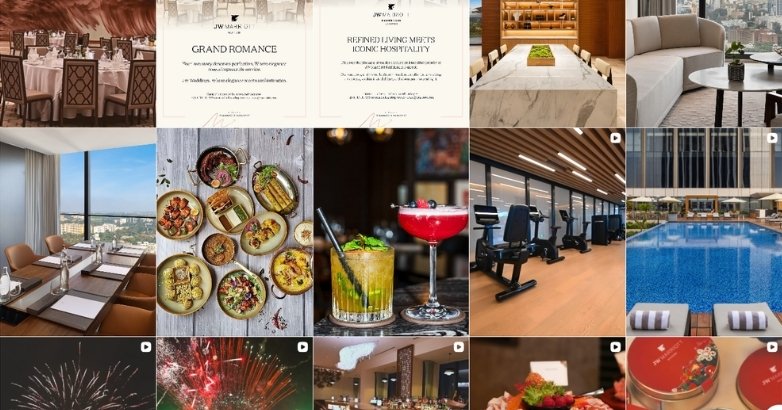
The format works well because hotel marketing depends heavily on visuals: views, rooms, pools, dining, interiors, and nearby attractions.
For hotels, the goal should not stop at likes, followers, or reach. The goal is qualified traffic, stronger booking intent, and direct booking revenue.
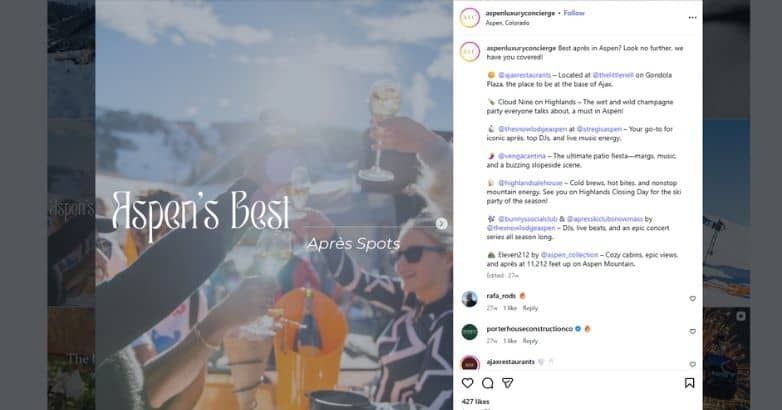
Meta states that Instagram ad placements can appear in Feed, Stories, Reels, Shops, and the platform’s discovery areas, which gives hotels several ways to reach users across the booking journey.
Why Should Hotels Use Instagram Ads to Drive Direct Bookings?
Hotels should use Instagram ads to create demand before travelers reach an OTA or comparison site.
Visual campaigns can present the room, view, dining, spa, and destination in seconds while the guest is still deciding where to stay.
Use Instagram for:
- Seasonal and last-minute packages
- Event weekend rates
- Spa and dining offers
- Wedding venue tours
- Direct booking perks
Instagram is best for visual discovery and demand creation, while Google Search captures travelers already searching for a hotel.
Use both: Instagram introduces the stay, then search, retargeting, email, and the booking engine help close the reservation.
Sending more qualified guests to the hotel website can also reduce dependence on OTA visibility and commissions.
Which Instagram Ad Formats Work Best for Hotels?
The best Instagram ad formats for hotels are Reels ads, Stories ads, carousel ads, Feed ads, and collection-style campaigns.
Each format should match a specific job in the booking journey.
| Instagram Ad Format | Best For | Avoid If | Hotel Example |
| Reels ads | Short form videos, destination storytelling, room reveals | You only have static images | 15-second “weekend escape” video |
| Stories ads | Mobile-first offers, urgency, quick CTAs | Your booking page is not mobile friendly | “Book by Friday” package |
| Carousel ads | Multiple rooms, amenities, or packages | You need one simple message | Room, pool, spa, restaurant sequence |
| Feed ads | Polished brand visuals and direct offers | Creative looks too generic | Hero image with direct booking perk |
| Discovery placements | New audience reach and trip inspiration | You only want bottom-funnel traffic | Local getaway or destination campaign |
| Collection-style ads | Multiple offers, room types, or add-ons | You do not have strong image assets | Suites, packages, dining, spa add-ons |
Choose the format by campaign goal: Reels for experience-led storytelling, Stories for urgent offers, and carousels for several rooms or amenities.
Meta recommends placing the brand and main message within the first 3 seconds and often recommends 6 to 15-second videos, so open with the hotel, offer, room, or view.
Elevate Your Hospitality Brand Today
Schedule Your Free Consultation
Seeking to elevate your business? Let Mediaboom guide you. Secure your exclusive, free consultation with our digital marketing experts today.
How Should Hotels Target the Right Audience on Instagram?
Hotels should target Instagram ads by guest type, location, intent, and past engagement. Start with the guests most likely to book, then match each audience with a relevant offer.
Common hotel audience segments include:
- Couples planning romantic weekends
- Families looking for school break or summer stays
- Luxury travelers comparing premium hotels
- Business travelers visiting during weekdays
- Wedding planners and engaged couples
- Spa and wellness guests
- Local staycation guests
- Event travelers visiting for concerts, sports, or conferences
Location targeting should focus on drive markets, feeder cities, airport markets, and event-based demand.
A beach hotel may target nearby metro areas within a 2 to 5-hour drive.
A city hotel may target business travelers from key airline markets.
A wedding venue may target users within a reasonable planning radius.
Retargeting is often the strongest hotel use case. Build audiences from:
- Website visitors
- Booking engine visitors
- Instagram account engagers
- Video viewers
- Email lists
- Past guest lists, when privacy rules and platform policies allow it
Broad targeting can work when the hotel has strong creative and enough conversion data. Specific targeting is better when the offer is niche, such as a wedding tour, luxury spa package, or family resort package.
The rule is simple: match the target audience to the offer. A family package should not use the same message as a romantic weekend campaign.
What Creative Makes Instagram Hotel Ads Convert?
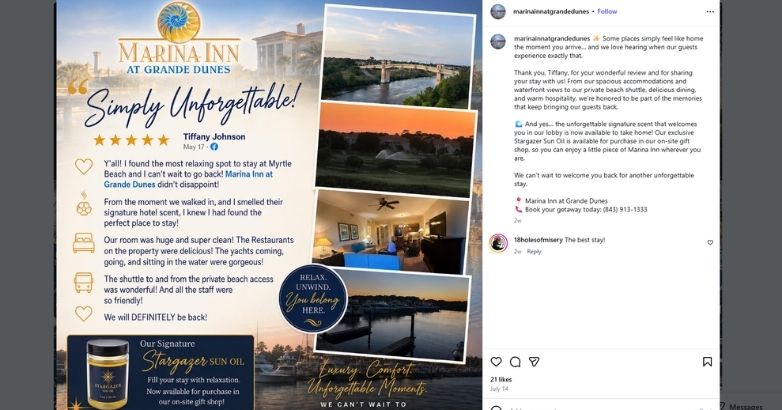
Instagram hotel ads convert when the creative sells the stay, not only the room. Show the arrival, view, suite, pool, dining, spa, or nearby experience so guests can picture the visit.
Use 9:16 vertical video for Reels and Stories. User-generated content can feel more natural than polished promotional content, but the hotel must have permission to publish it.
Every ad should include:
- A clear hotel, offer, or view within the first 3 seconds
- One main message
- One direct call to action
- Readable mobile text or captions
- A visible booking reason, such as a package or perk
- A landing page that matches the ad
Replace vague copy such as “Experience luxury” with a concrete offer such as “Book a 2-night spa weekend and receive daily breakfast.”
Where Should Instagram Hotel Ads Send Traffic?
Instagram hotel ads should send traffic to a fast, mobile-friendly page with one clear booking action.
The best destination is usually a direct booking page, package page, offer page, spa page, wedding inquiry page, or restaurant reservation page.
Avoid sending paid Instagram traffic to the homepage unless the homepage has a clear booking path and directly supports the ad message.
If the ad promotes a romantic weekend package, the landing page should show that same package, dates, room type, price or value, and booking CTA.
The landing page should include:
- Matching headline and offer
- High-quality hotel visuals
- Clear booking widget or CTA
- Reviews or trust signals
- Location details
- Cancellation or direct booking perks
- Fast mobile load time
For stronger conversion paths, pair this section with Mediaboom’s related guide on hotel website design trends that support direct bookings.
Download Our FREE Guide
Outrank OTAs & Drive Direct Bookings With Our Hospitality Digital Marketing Guide
Learn how leading hotels increase website traffic, reduce OTA commissions, and convert more guests with targeted digital marketing strategies.
How Much Should Hotels Spend on Instagram Ads?
Hotel Instagram ad budgets depend on hotel size, market competition, seasonality, room value, and campaign goal.
A small boutique hotel should not budget the same way as a luxury resort, but both should separate prospecting, retargeting, and testing.
A practical starting split is:
| Budget Area | Suggested Share | Purpose |
| Prospecting | 60% | Reach new potential guests through Reels, Stories, Feed, and visual discovery placements |
| Retargeting | 25% | Bring back website visitors, booking engine visitors, and Instagram engagers |
| Testing | 15% | Test new offers, creative angles, UGC, and seasonal packages |
Smaller hotels should start with a focused test instead of spreading budget across too many campaigns. For example, test one package, two audiences, and three creative versions before adding more complexity.
Retargeting deserves a dedicated budget because these users already showed interest. A guest who viewed rooms or opened the booking engine is more valuable than someone seeing the hotel for the first time.
Avoid universal CPC or CPA promises. Costs vary by market, season, audience, creative quality, landing page speed, and booking value.
How Do Hotels Measure Instagram Ad Performance?
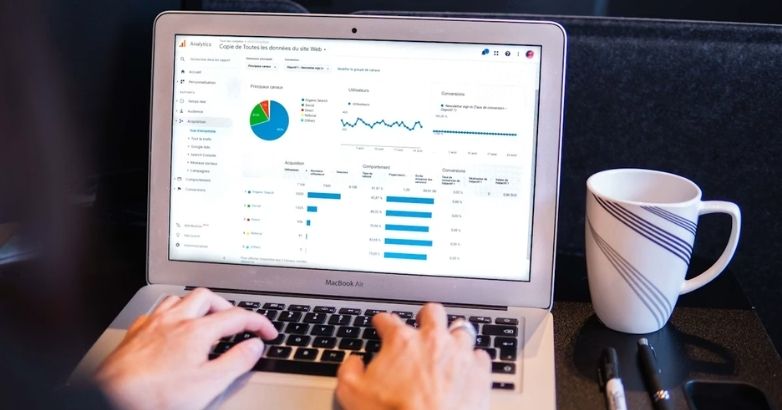
Hotels should measure Instagram ad performance by bookings, booking value, cost per booking, ROAS, conversion rate, and landing page performance. Likes and views can help show creative interest, but they do not prove revenue.
Track these actions:
- Direct bookings
- Booking value
- Booking engine clicks
- Form submissions
- Phone calls
- Landing page views
- Package page views
- Wedding or event inquiries
Hotels should judge Instagram ad performance by bookings, booking value, cost per booking, ROAS, and booking conversion rate. Likes and views can show creative interest, but they do not prove revenue.
Use Meta Pixel and Conversions API where available, then add UTM parameters so GA4 and the booking engine can compare Instagram with Google Ads, organic search, email, and referral traffic.
| Metric | Why It Matters |
| Cost per booking | Shows paid efficiency |
| Booking conversion rate | Shows landing page and offer strength |
| ROAS | Connects ad spend to revenue |
| CTR | Shows if creative earns clicks |
| Landing page conversion rate | Shows if the page supports the ad |
| Booking engine abandonment | Shows friction after the click |
When full revenue attribution is unavailable, report the path from ad click to landing page, booking engine, inquiry, booking, and revenue.
What Are the Most Common Instagram Ad Mistakes Hotels Make?
The most common mistake is treating Instagram ads as a visibility channel only. Visibility matters, but hotels should still build campaigns around booking intent, retargeting, and measurable revenue.
Avoid these mistakes:
- Sending all traffic to the homepage
- Using horizontal videos for Reels and Stories
- Running vague brand ads without an offer
- Ignoring booking engine abandoners
- Measuring likes instead of bookings
- Using the same creative for every guest segment
- Forgetting mobile page speed
- Hiding the call to action
- Sending traffic to a page that does not match the ad
How Do Instagram Ads Fit Into a Hotel Marketing Strategy?
Instagram ads should create and recapture demand within a wider hotel marketing plan.
Instagram introduces rooms, offers, and destination experiences; Google Ads captures active searches; email brings past guests back; and the hotel website converts paid traffic into reservations.
Hotel Instagram Ad Campaign Examples
Match each example to one audience, one offer, and one destination page.
Do not label these as case studies unless verified performance data and client permission are available.
| Example | Campaign Idea | Landing Page |
| Boutique hotel weekend package | Reels ad showing arrival, room view, dinner, and spa | Weekend offer page |
| Luxury resort retargeting | Carousel ad showing suite, pool, dining, and direct booking perk | Room or package page |
| Wedding venue campaign | Stories ad promoting private venue tours | Wedding inquiry page |
A boutique hotel could run a 15-second Reels ad showing a Friday arrival, welcome drink, room view, dinner, and Sunday checkout.
The CTA should send users to a weekend package page, not the homepage.
A luxury resort could retarget booking engine visitors with a carousel ad showing suites, dining, spa, and a direct booking perk. This works because the audience has already shown booking intent.
FAQs About Instagram Ads for Hotels
I. What type of Instagram ad is best for hotels?
Reels and Stories are often best for mobile-first travel inspiration, while carousel ads work well for rooms, amenities, and packages. Retargeting ads are usually best for users who already visited the hotel website or booking engine.
II. How much should a hotel spend on Instagram ads?
A hotel’s budget depends on market, ADR, seasonality, and booking goals. Start with enough budget to test multiple creatives, then keep a separate retargeting budget for higher-intent users.
III. Should hotels run Instagram ads or Facebook ads?
Hotels should usually test both through Meta Ads Manager. Instagram is strong for visual discovery and mobile-first short form videos, while Facebook can still help reach broader or older guest segments.
IV. Can Instagram ads drive direct bookings?
Yes, Instagram ads can drive direct bookings when the ad, landing page, offer, and booking engine match. If the user clicks a package ad and lands on a generic homepage, the campaign will usually lose conversions.
V. What should a hotel include in an Instagram ad?
A hotel Instagram ad should include a strong visual, one clear offer, location or experience context, and a direct CTA. The best ads show what the guest gets, not just what the property looks like.
VI. How do hotels track bookings from Instagram ads?
Hotels can track bookings from Instagram ads with Meta Pixel, Conversions API, UTMs, GA4, and booking engine reporting. The most important metrics are direct bookings, booking value, cost per booking, and ROAS.
WHAT OUR CLIENTS SAY
How Should Hotels Start With Instagram Ads?
Hotels should start with one clear goal, one offer, and one measurable booking path. Do not launch too many audiences, formats, and messages at once.
Follow this sequence:
- Audit your hotel website and booking engine on mobile.
- Pick one goal: bookings, leads, package sales, or retargeting.
- Build 3 to 5 guest segments based on traveler type and booking intent.
- Create 6 to 10 vertical creative assets for Reels and Stories.
- Set up Meta Pixel, Conversions API where possible, UTMs, and GA4 reporting.
- Launch prospecting and retargeting campaigns separately.
- Review results weekly by booking value, cost per booking, ROAS, and landing page conversion rate.
- Move budget toward the best guest segment, offer, and creative combination.
Elevate Your Hospitality Brand Today
Schedule Your Free Consultation
Seeking to elevate your business? Let Mediaboom guide you. Secure your exclusive, free consultation with our digital marketing experts today.
Conclusion
Instagram ads for hotels can turn visual interest into direct booking demand when campaigns are built around the right guest segments, ad formats, offers, and tracking setup.
The strongest campaigns focus on direct bookings over vanity metrics, mobile-first creative, Reels and Stories, retargeting, and landing page alignment.
Hotels that pair Instagram ads with Google Ads, SEO, email, and a strong booking engine have a better chance of turning paid traffic into confirmed reservations.
Ready to turn Instagram into a stronger direct booking channel? Contact Mediaboom to build a paid social strategy that connects hotel creative, targeting, tracking, and booking-focused landing pages.
By: Frank DePino
Frank DePino is the Principal and Founder of Mediaboom, a top hotel marketing agency partnering with leading hotel and hospitality brands. With 30+ years of experience, he has led strategic digital initiatives for names including Four Seasons, Ritz-Carlton, JW Marriott, Millennium Partners, and Guardian Jet. Frank helps hospitality businesses strengthen brand presence, drive qualified leads, and elevate guest experiences through website design, SEO, content marketing, and paid media. Under his leadership, Mediaboom is a trusted partner for brands pursuing measurable digital growth in a competitive hospitality landscape.