
Marketing for Hospitality and Tourism – Your 2026 Guide

By: Frank DePino | May 19, 2026


Loading the Elevenlabs Text to Speech AudioNative Player...
Marketing for hospitality and tourism helps hotels, resorts, destinations, restaurants, attractions, and travel brands attract the right guests, build trust, and turn travel interest into bookings.
The challenge is that travelers rarely book after one search.
They compare locations, prices, reviews, photos, amenities, policies, and experiences across Google, OTAs, social media, review platforms, maps, and AI tools before making a decision.
A strong strategy gives them the right reason to choose you at each stage of that journey.
Key takeaways:
- Marketing for hospitality and tourism must support the full guest journey, not only the booking stage.
- Hospitality marketing focuses on guest-facing businesses, while tourism marketing focuses on destinations, attractions, and travel experiences.
- Direct booking channels help hotels and travel brands reduce OTA dependence and own more of the guest relationship.
- Social media, user-generated content, reviews, and creator content help travelers trust what they are about to book, making hospitality social media marketing a key driver of demand.
- AI search visibility is becoming part of travel discovery, so clear content, consistent brand information, and third-party mentions matter.
- The best hospitality marketing plan connects audience, channel, offer, guest experience, and measurement.
Download Our FREE Guide
Outrank OTAs & Drive Direct Bookings With Our Hospitality Digital Marketing Guide
Discover how top hospitality brands grow their online presence, attract high-value guests, and increase direct revenue—without over-relying on third-party platforms.
What Is Marketing for Hospitality and Tourism?
Marketing for hospitality and tourism is the strategy used to promote hotels, resorts, restaurants, destinations, attractions, tours, and travel experiences to the right audiences.
Hospitality marketing focuses on businesses that host guests, such as hotels, resorts, restaurants, spas, and event venues.
Tourism marketing focuses on places and experiences, such as cities, regions, attractions, tours, cultural sites, and seasonal events. A well-defined travel marketing strategy aligns both efforts to drive demand and bookings.
Both depend on trust, timing, visuals, reviews, location, and guest expectations. Travelers often book before seeing the room, destination, or experience in person, so marketing must reduce doubt before purchase.
That makes hospitality and tourism different from many product-based industries.
The “product” is not only a room, meal, ticket, or tour. It is the full experience before, during, and after the visit, often shaped through guest experience marketing.

Why Is Marketing Important in Hospitality and Tourism?
Marketing is important in hospitality and tourism because it helps travelers choose one hotel, destination, restaurant, attraction, or experience over many similar options.
Travel decisions are comparison-heavy. A potential guest may check Google, OTAs, social media, review sites, AI tools, hotel websites, destination guides, and maps before booking.
Strong hospitality marketing helps a brand:
- Build demand before travelers are ready to book
- Answer guest questions before competitors do
- Improve trust with reviews, photos, content, and social proof
- Support direct bookings through the website, email, SEO, paid search, and remarketing
- Promote seasonal offers, packages, events, and local experiences
- Keep past guests engaged after checkout
This matters because the final booking decision often comes down to trust. If two hotels have similar rates, the guest will usually choose the one with stronger reviews, clearer photos, better answers, better location content, and a smoother booking path.
A stronger hospitality marketing strategy reaches travelers earlier, before price becomes the only deciding factor.

What Are the Main Types of Hospitality and Tourism Marketing?
The main types of hospitality and tourism marketing are brand marketing, digital marketing, destination marketing, content marketing, social media marketing, paid advertising, email marketing, review marketing, and internal marketing.
A strong approach to digital marketing for hospitality connects these channels into one system.
| Marketing Type | Best For | Example |
| Brand marketing | Positioning and trust | Luxury resort brand story |
| Destination marketing | Promoting a place | Weekend getaway campaign |
| SEO/content marketing | Long-term demand | Guides, FAQs, comparison pages |
| Paid search | High-intent bookings | Google Search campaigns |
| Social media | Discovery and inspiration | Instagram Reels, TikTok, creator posts |
| Email marketing | Repeat guests | Seasonal offers and pre-arrival emails |
| Review marketing | Trust building | Google reviews and TripAdvisor presence |
| Internal marketing | Better guest experience | Staff training around brand promises |
Each channel has a different role. SEO supports planning searches, paid search captures booking intent, social media builds trust, email brings back past guests, and internal marketing helps staff deliver the brand promise.
A common mistake is treating every channel as a place to post the same message. A wedding venue, for example, should not use the same copy for SEO, Instagram, email, and paid search.
Each channel should support a different decision point:
- SEO should answer planning and comparison questions.
- Paid search should match high-intent booking terms.
- Social media should show the experience.
- Email should bring past guests or warm leads back.
- Reviews should reduce doubt before the final decision.

How Do You Build a Marketing Strategy for Hospitality and Tourism?
Build a hospitality and tourism marketing strategy by defining the audience, mapping the travel journey, choosing the right channels, creating offer-led content, and measuring bookings, leads, and guest retention.
A strong strategy starts with one clear question: who is the business trying to attract?
Common hospitality and tourism audiences include:
- Families
- Couples
- Luxury travelers
- Business travelers
- Event planners
- Adventure travelers
- Wellness travelers
- Local visitors
- Repeat guests
Each audience has different decision factors. Families may care about space and nearby attractions, luxury travelers may care about privacy and service, and event planners may care about capacity, packages, and proof from past events.
The next step is matching content and campaigns to the travel journey.
| Journey Stage | User Question | Best Marketing Asset |
| Inspiration | Where should I go? | Destination guide, social video |
| Planning | What can I do there? | Itinerary, attraction guide |
| Comparison | Why this hotel or destination? | Reviews, amenities, comparison page |
| Booking | Is this worth the price? | Offer page, booking page, FAQ |
| Pre-arrival | What should I know before I arrive? | Email sequence, local guide |
| On-site | What else can I experience? | Upsell offer, concierge content |
| Post-stay | Should I come back? | Loyalty offer, review request |
This structure keeps each channel tied to a specific traveler decision.
Elevate Your Hospitality Brand Today
Schedule Your Free Consultation
Seeking to elevate your business? Let Mediaboom guide you. Secure your exclusive, free consultation with our digital marketing experts today.
Which Digital Marketing Channels Work Best for Hospitality and Tourism?
The best digital marketing channels for hospitality and tourism are SEO, Google Business Profile, paid search, metasearch, social media, email, online reviews, and retargeting.
SEO captures planning searches like “best hotels near X,” “things to do in X,” “where to stay near X,” and “best time to visit X.”
Google Business Profile supports local discovery by showing photos, reviews, locations, directions, business details, and popular times in Google.
Paid search captures high-intent demand for branded searches, local hotel searches, event venue searches, tour searches, and package offers.
Metasearch and Google Hotel Ads help hotels compete near the booking stage with live rates, availability, and booking links.
Social media supports inspiration through room walkthroughs, destination videos, event recaps, seasonal offers, staff picks, and local recommendations.
Email marketing brings back past guests through pre-arrival messages, seasonal offers, loyalty campaigns, abandoned inquiry follow-ups, and post-stay review requests.
Online reviews improve trust across SEO, paid campaigns, Google Business Profile, and direct booking pages.
Retargeting brings back users who visited the website but did not book or inquire.
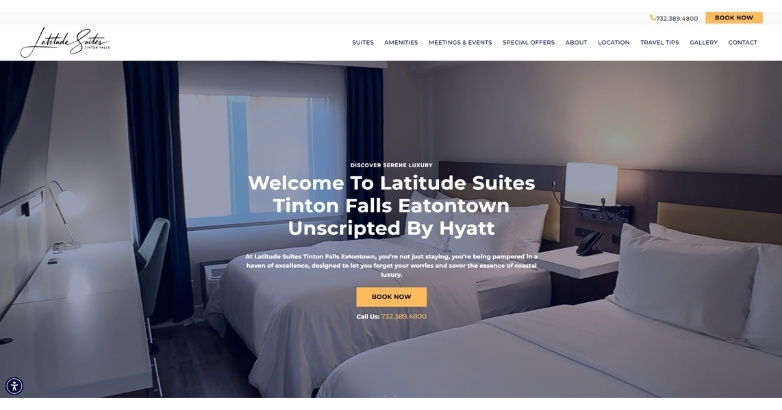
A strong website still matters because travel brands need owned content, clear offers, fast booking paths, and useful information that can appear in search and AI results.

Hospitality Marketing vs Tourism Marketing: What Is the Difference?
Hospitality marketing promotes guest-facing businesses, while tourism marketing promotes destinations, attractions, and travel experiences.
| Category | Hospitality Marketing | Tourism Marketing |
| Main focus | Business or property | Destination or experience |
| Examples | Hotel, resort, spa, restaurant | City, region, tour, attraction |
| Main goal | Bookings, reservations, repeat visits | Visits, itinerary inclusion, awareness |
| Main proof | Reviews, amenities, service, rooms | Attractions, culture, activities, access |
| Best channels | SEO, paid search, email, reviews, social | Destination content, PR, social, partnerships |
Hospitality marketing is best for property-level revenue, such as direct bookings, restaurant reservations, spa appointments, wedding inquiries, or event leads.
Tourism marketing is best for destination demand, such as visits to a city, region, attraction, tour, or seasonal event.
The best option is often a mix of both. For example, a hotel can market itself as the best place to stay near a beach, university, ski area, national park, concert venue, or wedding destination.
A destination campaign can inspire the trip. A hospitality campaign can convert that interest into a booking.
What Should a Hospitality and Tourism Marketing Plan Include?
A hospitality and tourism marketing plan should include goals, target audiences, positioning, channel strategy, content plan, budget, tracking, and a booking or lead-generation plan.
A practical hospitality marketing plan should include:
- Business goals
- Target segments
- Brand positioning
- Guest journey map
- Channel mix
- Content calendar
- Campaign budget
- Website and booking path review
- Review and reputation plan
- Measurement dashboard
The plan should also define success beyond traffic. A page that attracts visitors but does not generate bookings, inquiries, calls, or email signups may not be supporting the business.
Useful KPIs include:
- Direct bookings
- Booking engine conversion rate
- Organic traffic
- Local search visibility
- Paid search ROAS
- Email revenue or leads
- Review rating and review volume
- Returning guest rate
- Cost per booking or cost per lead
The most important KPIs depend on the business model. Hotels may prioritize direct bookings, destinations may track visitor interest, and venues may focus on qualified leads and booked events.
Download Our FREE Guide
Outrank OTAs & Drive Direct Bookings With Our Hospitality Digital Marketing Guide
Discover how top hospitality brands grow their online presence, attract high-value guests, and increase direct revenue—without over-relying on third-party platforms.
How Can Hospitality and Tourism Brands Use Social Media?
Hospitality and tourism brands should use social media to show real experiences, answer traveler questions, feature guests, promote seasonal offers, and build trust before booking.
Social media works well because travel is visual. People want to see rooms, views, food, events, nearby attractions, and the feeling of the experience before they commit.
Best channel uses include:
- Instagram and TikTok for visual discovery
- Facebook for local audiences, events, and retargeting
- YouTube for destination guides and property walkthroughs
- Pinterest for trip planning and inspiration
- LinkedIn for meetings, events, and hospitality B2B
Good social content should answer real traveler questions, not only show polished brand photos.
Useful content ideas include:
- “What to do near us this weekend”
- Room walkthroughs
- Guest testimonials
- Local dining guides
- Seasonal itineraries
- Behind-the-scenes service moments
- Event and wedding recaps
- Staff picks
- FAQs about parking, check-in, packages, and local attractions
User-generated content and creator content support trust because real visuals feel closer to the actual guest experience.

How Does Guest Experience Affect Marketing in Hospitality and Tourism?
Guest experience affects marketing because every review, photo, staff interaction, and post-stay message can influence future bookings.
Marketing cannot cover up a poor guest experience for long. If the website promises luxury but service feels inconsistent, reviews will expose the gap.
Internal marketing helps staff understand the brand promise, guest expectations, and service standards that support repeat business.
Guest experience affects:
- Online reviews
- Word-of-mouth referrals
- Social media posts
- Repeat visits
- Email engagement
- Loyalty program performance
- Direct booking confidence
Personalization can improve the guest experience. Hotels can send pre-arrival recommendations by trip type, resorts can segment offers by audience, and destinations can send seasonal itineraries by visitor interest.
The marketing, website, staff, and guest experience should all support the same promise.
What Are the Biggest Marketing Trends in Hospitality and Tourism?
The biggest hospitality and tourism marketing trends include personalization, direct booking growth, AI-assisted travel planning, creator content, loyalty programs, experience-led messaging, and stronger first-party data.
AI-assisted travel planning is changing how travelers research destinations, hotels, itineraries, and activities. This makes clear website content, FAQs, consistent brand information, and third-party mentions more important.
Direct booking growth remains a priority because it helps hotels reduce OTA costs and communicate with guests before and after the stay.
Personalization, creator content, and user-generated content also influence travel decisions. Travelers respond to recommendations that match their trip type and real visuals that show the experience faster than a standard ad.
First-party data from email lists, CRM systems, loyalty programs, and past guest behavior gives hospitality brands more control over future campaigns.
The main takeaway is simple: hospitality and tourism brands need to be visible before, during, and after the booking decision.
That means the website, search presence, social content, reviews, email, and guest experience all need to work together.

Hospitality and Tourism Marketing Campaign Examples
Marketing for hospitality and tourism works best when the campaign matches a clear business goal, audience, and booking stage.
Hotel direct booking campaign:
A hotel uses SEO landing pages, Google Ads, retargeting, email offers, and a clearer booking page to reduce OTA dependence. This works best when rates, rooms, and direct-booking benefits are easy to compare.
Destination marketing campaign:
A tourism board promotes off-season itineraries, local creators, events, and hidden attractions to grow demand outside peak season. This works best when local partners help support the campaign.
Resort social media campaign:
A resort uses short-form video, guest content, spa visuals, dining content, and seasonal packages to attract couples and wellness travelers.
This works best when the offer is tied to a clear moment, such as a weekend escape, spa retreat, anniversary trip, or seasonal package.
Event venue marketing campaign:
A venue builds wedding pages, corporate event pages, testimonials, photo galleries, and paid search campaigns for high-intent leads. Each page should include capacity, location, packages, photos, FAQs, and a clear inquiry form.
FAQs About Marketing for Hospitality and Tourism
I. What is the meaning of marketing for hospitality and tourism?
Marketing for hospitality and tourism means attracting and retaining guests or visitors through strategy, content, digital channels, and guest experience. It applies to hotels, resorts, restaurants, destinations, attractions, tours, and travel brands.
II. What are the 4 Ps of marketing in hospitality and tourism?
The 4 Ps are product, price, place, and promotion. In hospitality and tourism, the “product” often means the full experience, including service, location, atmosphere, amenities, and convenience.
III. What is the best marketing strategy for hotels?
The best hotel marketing strategy usually combines SEO, paid search, direct booking pages, email, reviews, social media, and remarketing. The right mix depends on audience, location, budget, and booking goals.
IV. How is tourism marketing different from hospitality marketing?
Tourism marketing promotes a destination, attraction, or travel experience. Hospitality marketing promotes a guest-facing business, such as a hotel, resort, restaurant, spa, or venue.
V. Why is digital marketing important in hospitality and tourism?
Digital marketing is important because travelers research, compare, and book online. It helps brands appear during planning, answer questions, build trust, and convert users into guests or visitors.
VI. What role does social media play in tourism marketing?
Social media helps travelers discover places, see real experiences, and save ideas for future trips. Visual content, creator posts, and guest content are especially useful for building interest before booking.
VII. How can hospitality brands get more direct bookings?
Hospitality brands can get more direct bookings by improving SEO, paid search, booking pages, rate clarity, email follow-ups, loyalty offers, and retargeting. The goal is to give guests a clear reason to book directly instead of through an OTA.
VIII. What should a tourism marketing plan include?
A tourism marketing plan should include goals, audience segments, destination positioning, channel strategy, seasonal campaigns, content topics, partner roles, and KPIs. It should also define how visitor interest turns into visits, bookings, inquiries, or partner referrals.
IX. How does AI affect hospitality and tourism marketing?
AI affects hospitality and tourism marketing by changing how travelers research, compare, and plan trips. Brands need clear content, strong entity signals, consistent listings, structured pages, and trustworthy mentions across the web.
WHAT OUR CLIENTS SAY
What Are the Next Steps for Marketing a Hospitality or Tourism Business?
The next step is to turn the strategy into a clear action plan based on audience, digital presence, and travel intent.
- Define the main audience segments and booking intent.
- Audit the website, booking path, Google Business Profile, reviews, and top landing pages.
- Map content to the travel journey: inspiration, planning, comparison, booking, and post-stay.
- Choose the main channels: SEO, paid search, social media, email, reviews, and retargeting.
- Build campaigns around specific offers, seasons, locations, and guest types.
- Track direct bookings, leads, revenue, conversion rate, and returning guest behavior.
- Review the strategy every quarter based on demand, seasonality, and campaign results.
Elevate Your Hospitality Brand Today
Schedule Your Free Consultation
Seeking to elevate your business? Let Mediaboom guide you. Secure your exclusive, free consultation with our digital marketing experts today.
Build a Stronger Hospitality and Tourism Marketing Strategy
Marketing for hospitality and tourism works best when clear positioning, useful content, digital channels, and guest experience all support the same goal: more qualified bookings.
Start with the audience and travel intent. Match content to each stage of the booking journey, strengthen direct booking channels, and use social proof to build trust.
Need a stronger digital strategy for your hotel, resort, destination, or hospitality brand?
Contact Mediaboom to build a marketing plan that attracts the right guests and turns more travel demand into direct bookings.
By: Frank DePino
Frank DePino is the Principal and Founder of Mediaboom, a top hotel marketing agency partnering with leading hotel and hospitality brands. With 30+ years of experience, he has led strategic digital initiatives for names including Four Seasons, Ritz-Carlton, JW Marriott, Millennium Partners, and Guardian Jet. Frank helps hospitality businesses strengthen brand presence, drive qualified leads, and elevate guest experiences through website design, SEO, content marketing, and paid media. Under his leadership, Mediaboom is a trusted partner for brands pursuing measurable digital growth in a competitive hospitality landscape.