Hotel Website Redesign – Turn More Visitors Into Direct Bookings

By: Frank DePino | August 4, 2026


Loading the Elevenlabs Text to Speech AudioNative Player...
A hotel website redesign should make it easier for travelers to find your property, compare rooms, trust the offer, and complete a direct reservation.
The best projects improve hotel website design, mobile speed, booking-engine usability, search visibility, and conversion tracking together.
This is not simply a visual update. It is a revenue project that should reduce booking friction, support stronger hotel SEO, and give guests a clear reason to book directly.
Key takeaways:
- Redesign when the site has structural, technical, branding, or booking problems that smaller updates cannot fix.
- Put the mobile booking journey before decorative effects.
- Treat the booking engine, room pages, direct-booking offer, and tracking plan as part of the same project.
- Protect existing rankings with URL mapping, redirects, metadata checks, and post-launch monitoring.
- Measure results through direct revenue, completed bookings, conversion rate, booking-engine abandonment, and OTA share.
What Is a Hotel Website Redesign?
A hotel website redesign is a major update to the site’s structure, content, appearance, technology, and booking journey.
It may include new page templates, revised navigation, rewritten room content, booking-engine integration, technical SEO work, analytics setup, and a new content management system.
The purpose is to create a hotel booking website that better reflects the property and helps more qualified visitors become guests.
Is Your Hotel Showing Up in ChatGPT?
Travelers are increasingly using AI tools to research destinations before they ever reach a booking site. See how your hotel appears in these AI-generated answers, where competitors or OTAs may be gaining visibility, and whether there are opportunities to strengthen your presence.
Does Your Hotel Need a Redesign or a Website Refresh?
Choose a website refresh when the main structure still works and you only need focused changes, such as new photography, revised copy, updated colors, improved calls to action, or faster image loading.
Choose a full hotel website redesign when problems affect several connected areas, including navigation, mobile use, booking flow, branding, content management, tracking, or organic visibility.
A refresh treats individual symptoms. A redesign rebuilds the system behind them.
What Are the Signs a Hotel Website Needs a Redesign?
Your hotel may need a redesign when several of these issues appear at the same time:
- The website is difficult to use on mobile devices.
- Pages load slowly, move while loading, or respond poorly to taps.
- Guests struggle to compare room types, packages, policies, or amenities.
- The Book Now button is inconsistent or difficult to find.
- Dates or occupancy selections disappear when visitors enter the booking engine.
- The main website and booking engine look like separate brands.
- Direct-booking benefits are missing or unclear.
- Organic traffic, hotel website conversion rate, or booking-engine entries are falling.
- Staff cannot update offers, images, or seasonal content without developer support.
- The site no longer reflects the property’s current rooms, services, audience, or positioning.
- Analytics cannot connect landing pages and campaigns with booking actions.
- Important pages have weak titles, duplicate copy, broken links, or outdated URLs.
Do not redesign only because the website is a certain age. Base the decision on guest behavior, business goals, technical condition, and content accuracy.
What Should a High-Converting Hotel Website Redesign Include?
1. Mobile-First Performance
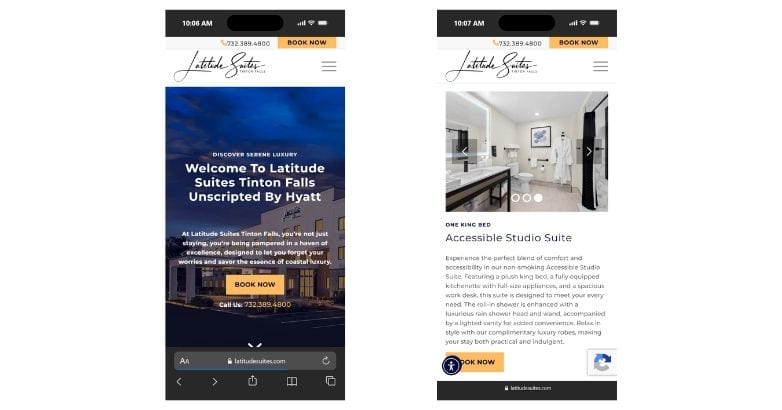
The full booking journey should work on a phone, from the first landing page to the reservation confirmation. Use readable type, large tap targets, short forms, compressed images, stable layouts, and limited heavy scripts.
Google’s Core Web Vitals measure loading performance, responsiveness, and visual stability. Google recommends an LCP within 2.5 seconds and an INP below 200 milliseconds as part of a good page experience.
2. Accessible and Secure Use
Hotel website accessibility should be considered during design, writing, and development. Pages need clear heading order, keyboard-friendly controls, useful alternative text, readable contrast, labeled forms, and error messages that explain how to fix a problem.
Use HTTPS, current software, secure payment steps, privacy notices, and consent controls suited to the hotel’s markets. Security badges should support trust without adding clutter. W3C’s WCAG guidance covers areas such as headings, contrast, focus visibility, and keyboard order.
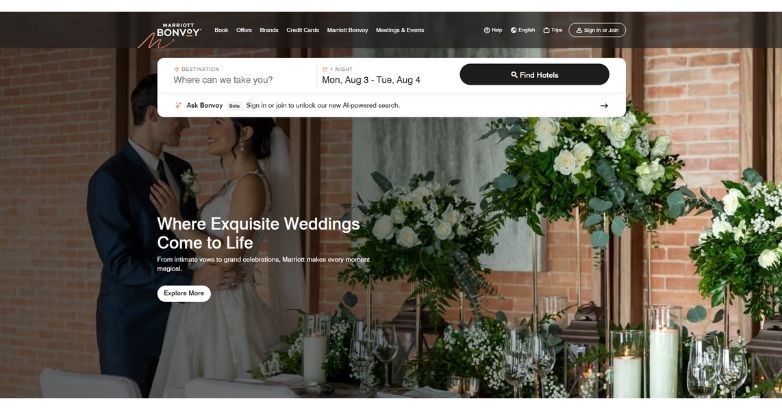
3. Clear Room Pages and Direct-Booking Value
Room pages should help guests understand which option fits their stay. Present occupancy, bed type, room size, views, accessibility details, major amenities, policies, and the path to current rates in a consistent format.
The website should also explain why guests should book direct. Possible benefits include flexible terms, room upgrades, property credits, loyalty benefits, or direct access to hotel staff. Only promote benefits the property can deliver consistently.
4. A Connected Booking Engine
Hotel booking engine integration is one of the most important parts of the redesign. Keep selected dates and occupancy when the technology allows, match the website branding, show taxes and fees clearly, and remove unnecessary fields or steps.
The primary booking action should remain visible on high-intent pages. It should not compete with several equal buttons that send guests in different directions.
5. Search and AI-Friendly Structure
Hotel website SEO should begin before design and development. Plan the page hierarchy, target queries, URLs, internal links, metadata, redirects, structured data, and indexation rules before launch.
Create distinct pages for rooms, offers, amenities, dining, meetings, weddings, location details, policies, and relevant local experiences. Each section should answer its main question immediately and use descriptive headings that still make sense outside the full article.
Google recommends helpful, people-first content and clear technical structure for both traditional search and its generative AI features. Hotel price structured data can help Google understand rate information, but live price visibility also depends on the correct Hotel Center and pricing setup.

6. Visual Proof and Brand Positioning
High-quality photography should show room scale, bathrooms, views, public spaces, dining, amenities, and the surrounding destination. Video and virtual tours can support properties where atmosphere or layout strongly affects the decision.
Pair visuals with concrete information. Awards, review excerpts, policies, accessibility details, and accurate amenity descriptions help travelers judge whether the property matches their expectations.
7. Analytics and Conversion Tracking
Set the measurement plan before launch. Track:
- Booking-button clicks
- Booking-engine entries
- Completed reservations and revenue, where integration permits
- Room and offer engagement
- Calls, forms, and event inquiries
- Booking abandonment
- Performance by device, source, campaign, and landing page
This data shows whether the redesign changed guest behavior or simply changed the appearance.
Elevate Your Hospitality Brand Today
Schedule Your Free Consultation
Seeking to elevate your business? Let Mediaboom guide you. Secure your exclusive, free consultation with our digital marketing experts today.
How Does Hotel Website Redesign Increase Direct Bookings?
A hotel website redesign can increase direct bookings by removing obstacles between interest and payment.
It helps guests reach the right room faster, understand the property’s value, compare options with less effort, and move into a familiar booking flow. It can also match search intent more closely, so visitors arrive on pages related to the stay they are considering.
Direct reservations also reduce commission exposure. OTA commission rates commonly range from 15% to 30% or more, depending on the platform, market, property, and program. A hotel should still keep a balanced distribution mix, but a stronger direct channel can improve margins and give the property a closer relationship with its guests.
What Is the Hotel Website Redesign Process?
A reliable hotel website redesign process includes seven stages:
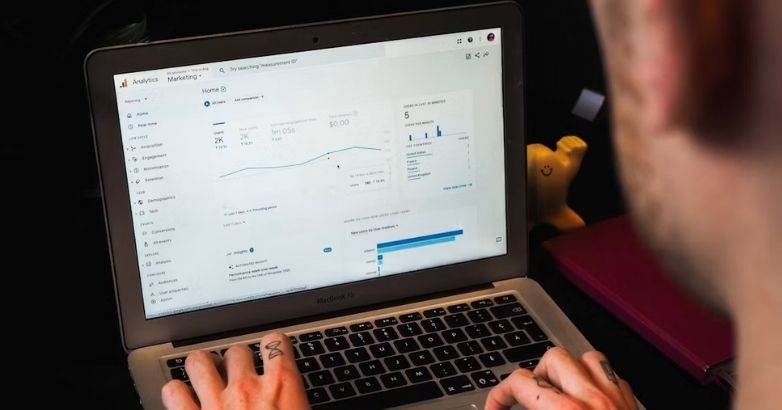
- Audit: Review analytics, rankings, speed, mobile use, content, booking flow, accessibility, integrations, and technical risks.
- Research: Define target guests, booking motivations, property strengths, competitors, and common objections.
- Strategy: Set goals for direct revenue, search visibility, brand positioning, content, and measurement.
- Information architecture: Plan navigation, page groups, URLs, internal links, content ownership, and redirect mapping.
- UX, copy, and visual design: Build wireframes and page content before final visual decisions.
- Development and testing: Connect the CMS, booking engine, forms, tracking, schema, and required third-party systems. Test across devices and browsers.
- Launch and review: Apply redirects, submit sitemaps, check indexation and analytics, fix errors, and compare results with the pre-launch baseline.
Starting with visual design before strategy and content often leads to an attractive site that still cannot explain the property or support the booking decision.
How Much Does a Hotel Website Redesign Cost?
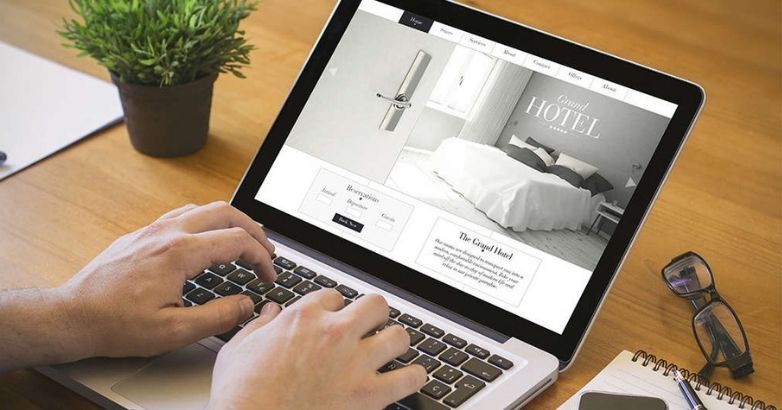
Hotel website redesign pricing varies considerably. Roommaster places the wider cost of creating a hotel website between $0 and $30,000, depending on whether the property uses a DIY builder or hires professionals.
Luxury, multilingual, multi-property, and integration-heavy websites may exceed those figures.
Price is affected by:
- Number of properties, languages, pages, and templates
- Custom UX and visual design
- Copywriting, photography, and video
- Booking engine, PMS, CRM, payment, or loyalty integrations
- SEO migration and structured data
- Accessibility and legal requirements
- Analytics, testing, hosting, maintenance, and post-launch support
Calculate ROI with added direct-booking profit rather than traffic alone. Compare the project cost with changes in direct revenue, booking value, acquisition cost, OTA commissions, and operational time over 12 to 24 months.
Download Our FREE Guide
Outrank OTAs & Drive Direct Bookings With Our Hospitality Digital Marketing Guide
Learn how leading hotels increase website traffic, reduce OTA commissions, and convert more guests with targeted digital marketing strategies.
What Hotel Website Redesign Mistakes Should You Avoid?
Avoid these common errors:
- Starting with colors and layouts before goals, guests, and content
- Copying competitors instead of showing the property’s difference
- Adding heavy motion that slows mobile pages
- Hiding rates, fees, policies, or direct-booking benefits
- Treating the booking engine as a separate experience
- Removing ranked URLs without redirects
- Launching without tested analytics and conversion events
- Writing generic copy that could describe any hotel
- Forgetting accessibility, security, or staff content workflows
Hotel Website Redesign Case Studies
Marina Inn at Grande Dunes
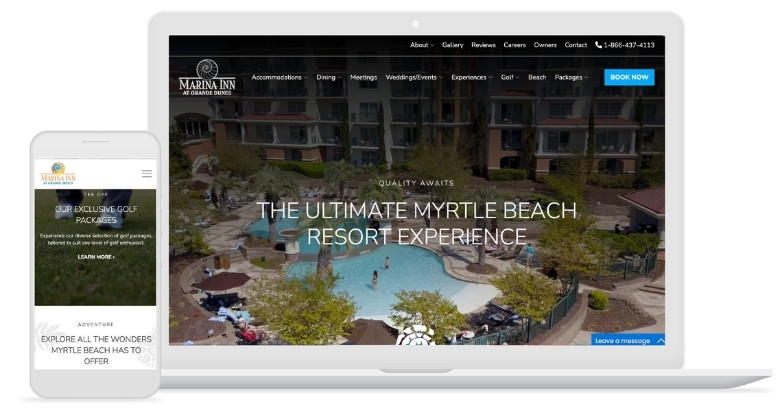
Mediaboom rebuilt the Marina Inn at Grande Dunes website with a mobile-first layout, clearer navigation, stronger booking actions, refreshed property content, and a search-focused site structure.
The published case study reports a 25% increase in organic traffic and a 20% rise in direct bookings after the redesign and SEO work.
Musha Cay
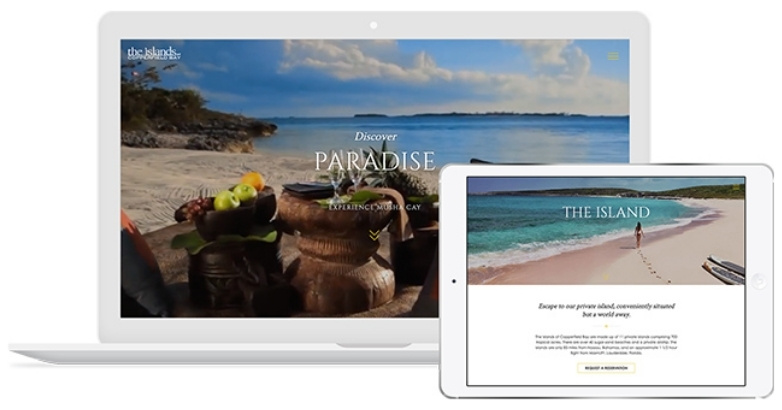
Musha Cay required a luxury hotel website design that communicated privacy, exclusivity, and personalized island experiences. The redesign paired immersive visuals with clearer content, prominent inquiry actions, and technical SEO work.
The published case study reports a 30% increase in organic traffic and a notable rise in direct inquiries.
WHAT OUR CLIENTS SAY
Frequently Asked Questions
I. How Often Should a Hotel Website Be Redesigned?
There is no fixed deadline. Review the website regularly and consider a redesign when mobile performance, booking behavior, search visibility, content accuracy, technology, or brand positioning no longer supports business goals. Focused updates can extend the useful life of a sound website.
II. Can a Hotel Keep Its Existing Booking Engine?
Yes, when the current booking engine works well on mobile, supports accurate rates and availability, connects with the required hotel systems, permits useful tracking, and offers a short, clear checkout path. Test it before deciding to keep or replace it.
III. What Is the Most Important SEO Factor for a Hotel Website?
There is no single deciding factor. Strong hotel SEO combines useful property and destination content, clear site structure, crawlable links, sound metadata, technical health, local relevance, page experience, structured data, and credible brand signals.
IV. Does Hotel Schema Show Live Prices in Search?
Not by itself. Structured data can help Google understand hotel and rate information, but live rate presentation depends on correct pricing data, property matching, Hotel Center configuration, and Google’s eligibility requirements.
V. How Should a Hotel Measure Redesign Success?
Track direct revenue, completed bookings, conversion rate, booking-engine entries, abandonment, average booking value, acquisition cost, organic visibility, OTA share, calls, forms, and staff efficiency. Compare equivalent periods and account for seasonality, rate changes, and campaign activity.
VI. How Do You Choose a Hotel Website Redesign Agency?
Look for relevant hospitality work, booking-engine experience, a clear SEO migration plan, accessibility knowledge, analytics skills, transparent project ownership, and case studies tied to measurable business results. Hotel website redesign services should cover more than the homepage appearance.
Elevate Your Hospitality Brand Today
Schedule Your Free Consultation
Seeking to elevate your business? Let Mediaboom guide you. Secure your exclusive, free consultation with our digital marketing experts today.
Build a Better Direct-Booking Channel
A successful hotel website redesign makes the property easier to discover, understand, trust, and book. It connects hotel website design with content, technology, search visibility, booking flow, and measurement.
Mediaboom helps hotels create websites built around stronger direct revenue and a better guest journey. Contact our team to discuss your website, booking goals, and current performance.
By: Frank DePino
Frank DePino is the Principal and Founder of Mediaboom, a top hotel marketing agency partnering with leading hotel and hospitality brands. With 30+ years of experience, he has led strategic digital initiatives for names including Four Seasons, Ritz-Carlton, JW Marriott, Millennium Partners, and Guardian Jet. Frank helps hospitality businesses strengthen brand presence, drive qualified leads, and elevate guest experiences through website design, SEO, content marketing, and paid media. Under his leadership, Mediaboom is a trusted partner for brands pursuing measurable digital growth in a competitive hospitality landscape.