
SEO for Hotels – 13 Proven Strategies to Boost Bookings

By: Frank DePino | March 28, 2026


With 75% of travelers never venturing past the first page of search results, the stakes for your property’s digital visibility have never been higher.
In 2026, SEO for hotels has evolved from a simple keyword game into a battle for dominance across AI-generated answers, voice search, and immersive local maps. If your property isn’t appearing at the summit of these results, you are essentially gifting high-value direct bookings to OTAs.
This guide provides a comprehensive roadmap for SEO strategies for hotels, offering the technical and creative blueprints needed to outrank the competition and reclaim your guest relationships.
Here are the 13 SEO strategies for hotels you can use today!
- On-Page SEO
- Keyword Research
- Optimized Content
- Mobile-Friendly Design
- User Experience
- Schema Markups
- Off-Page SEO
- Link Building
- Content Marketing
- Social Media Engagement
- Managing Guest Reviews
- Technical SEO
- Local SEO Tactics
Let’s dive into each strategy!
1. On-Page SEO for Hotel Industry
On-page SEO involves optimizing various elements within your hotel’s website to make it more appealing to both search engines and guests. A professional hotel marketing agency ensures these improvements—content, layout, keywords, and technical features—are tailored to maximize both search visibility and guest engagement.
Effective on-page SEO strategies include:
- Keyword Optimization: Target relevant keywords that guests are likely to search, integrating them naturally throughout content.
- Quality Content: Use informative, engaging content to answer potential guests’ questions and promote your offerings.
- Meta Descriptions: Craft concise descriptions that tell search engines and users what each page offers.
- Internal Linking: Connect related pages to improve navigation and help visitors explore your site.
- Enhanced User Experience: Ensure the site is user-friendly, with clear calls to action and quick load times.
Together, these on-page SEO efforts can improve your website’s ranking on search engine results pages (SERPs), making it easier for potential guests to find and book with your hotel.
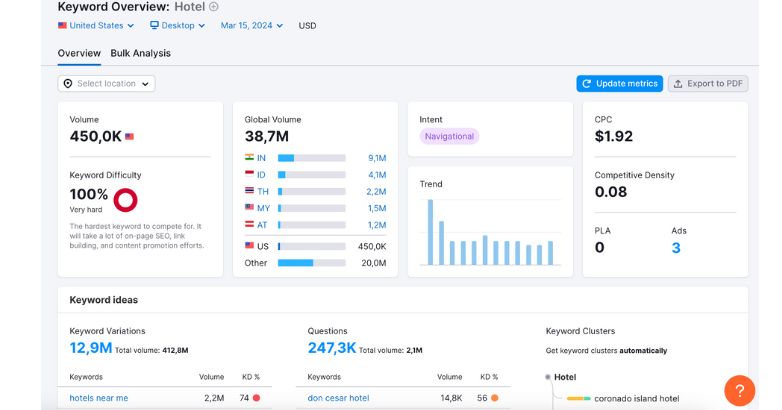
2. Keyword Research for the Hospitality Industry
Effective keyword research means more than identifying high-volume terms. It requires understanding how modern travelers search, especially using mobile devices, voice assistants, and AI-generated results.
Here’s how to elevate your hotel’s keyword strategy:
- Include Conversational Phrases: Voice search queries are often full sentences or questions. Target long-tail phrases like “best boutique hotel near Central Park with spa” or “hotels in Miami with rooftop bar and free parking.”
- Use Local + Intent-Based Keywords:
- Local: “hotels near [attraction]” or “[neighborhood] hotels with pool”
- Intent-driven: “book last-minute hotel downtown Chicago tonight”
- Group Keywords by Funnel Stage:
- Awareness: “luxury hotels in Napa”
- Consideration: “family-friendly hotel with indoor pool”
- Booking: “book direct hotel Times Square”
Leverage tools like Google Keyword Planner, SEMrush, and AnswerThePublic to uncover trending search phrases and refine your SEO content around them. This ensures your hotel ranks when users ask, speak, or search with high intent.
3. Optimized Hotel Website Content
Content optimization means refining your site’s text, structure, and formatting to help it rank higher and convert better. In 2026, content must be written for both search engines and AI tools like Google’s SGE (Search Generative Experience), which now summarizes results directly in SERPs.
Here’s how to optimize your content today:
- Target Long-Tail, Conversational Keywords: Focus on how people actually search, e.g., “luxury hotel with spa near downtown Chicago.”
- Format for AI Overviews: Use bullet points, H2s/H3s, and clear summaries. SGE pulls from well-structured content to display rich, direct answers.
- Use Clear Header Hierarchy: Organize content with logical headings (H1, H2, H3) to help both users and AI understand your content.
- Optimize URLs: Create concise, descriptive URLs with relevant keywords, making pages easier to find.
- Enhance Image Alt Text: Add descriptive alt text with keywords to improve accessibility and provide search engines with more context.
- Embed FAQ Blocks with Schema: These support voice search, AI summaries, and Google’s Featured Snippets.
- Internal Linking: Link to related services, amenities, blog content, and nearby attractions to improve crawlability and UX.
Optimizing content for both humans and machines helps increase visibility across traditional and AI-driven search results, bringing more guests to your site.
4. Mobile-Friendliness and Responsive Design
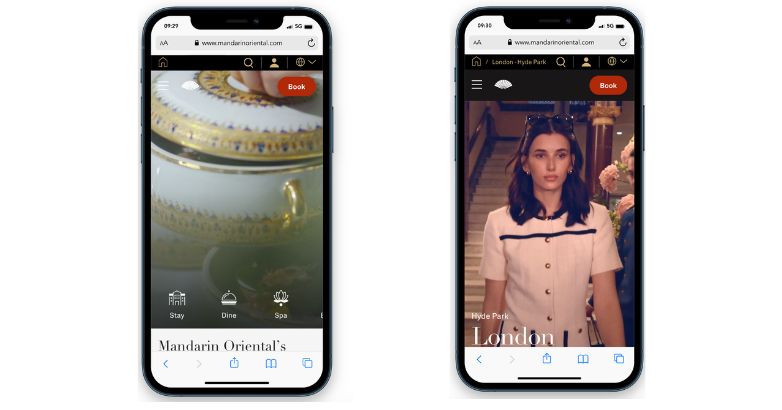
Mobile-friendliness means a website is easy to navigate and read on mobile devices, meeting today’s guest expectations. Responsive design takes this further by automatically adjusting the layout to fit any screen size, from phones to desktops.
For hotels, where one in three travelers books through mobile, a mobile-friendly, responsive site is essential. It ensures guests can browse rooms, amenities, and booking options seamlessly.
Fast loading, clear images, and touch-friendly navigation enhance the user experience, encouraging guests to book directly from their mobile devices, which can increase bookings and improve guest satisfaction.
For more information on optimizing your website, check out our guide on luxury travel website design.
5. User Experience and Site Speed
Site speed plays a vital role in user experience and directly affects SEO for hotels.
Research shows that top websites load in about 2.5 seconds on desktop and up to 8.6 seconds on mobile.
In the competitive hotel industry, a fast-loading website keeps guests engaged, reduces bounce rates, and can improve rankings in search engine results.
In hospitality, speed translates into higher chances of guest interaction, as a quick-loading site encourages visitors to explore rooms and amenities and book their stay. Pages that load slowly can frustrate potential guests, increasing the risk they’ll leave your site for a faster competitor.
Improving site speed involves optimizing images, leveraging browser caching, and minimizing code to create a seamless browsing experience.
By prioritizing speed, hotels enhance user satisfaction and support higher search engine rankings, making speed a crucial factor for driving bookings and staying competitive.
6. Utilizing Schema Markups for Hotel Data
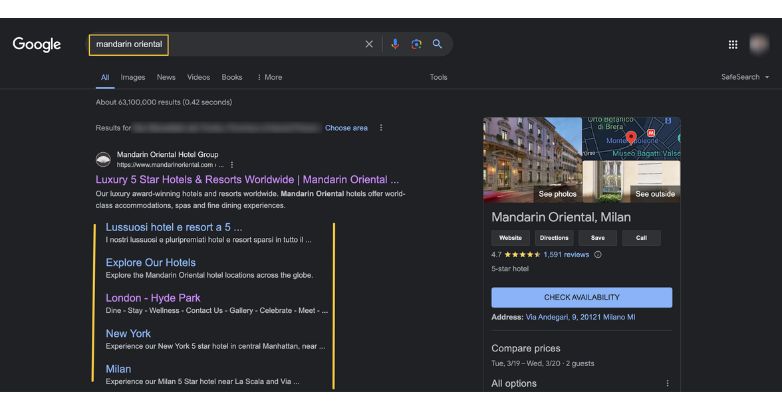
Schema markup (structured data) is a type of code added to a website that helps search engines understand and display its information accurately. For hotels, schema markups allow search engines to show essential details, like address, hours, contact information, and amenities, right in the search results. This often appears in Local Business Panels or on the side of SERPs, making your hotel more visible and accessible to potential guests.
There are over 30 types of schema Google can recognize, from FAQs to videos, and local business markups are particularly useful for hotels. Incorporating schema markup improves your chances of ranking higher by providing search engines with clear, organized data about your hotel.
Mediaboom’s digital marketing experts can assist as you prioritize your on-page SEO efforts. Book your free call to discuss your needs.
Elevate Your Hospitality Brand Today
Schedule Your Free Consultation
Seeking to elevate your business? Let Mediaboom guide you. Secure your exclusive, free consultation with our digital marketing experts today.
7. Off-Page SEO
Off-page SEO includes strategies that improve your website’s authority, credibility, and visibility through external efforts. Unlike on-page SEO, which focuses on changes within your site, off-page SEO happens outside your website.
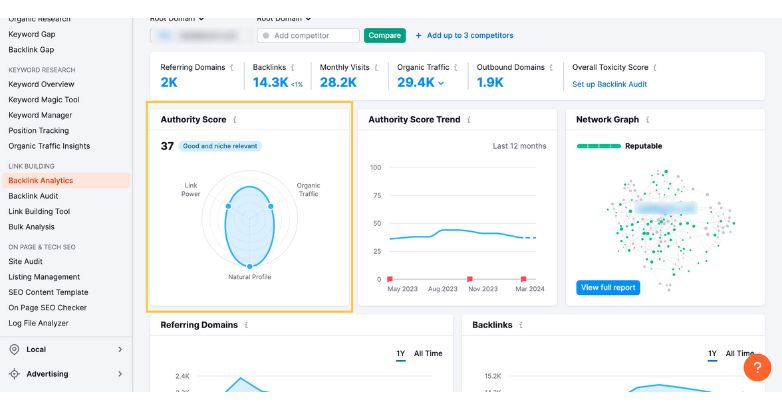
One key element is backlinks, links from other reputable websites to yours. These act as “votes of confidence” that signal to search engines that your site is credible and valuable. Another essential area is hotel reputation management, which includes managing online reviews and mentions to build trust and a positive brand image.
For hospitality, social media engagement and guest blogging further strengthen off-page SEO, boosting brand awareness, driving referral traffic, and improving search rankings. Together, these efforts help your website appear higher on SERPs, making it easier for potential guests to find and book with you.
8. Link Building
Link building remains one of the most influential off-page SEO tactics—but quality and relevance are more important than ever.
In 2026, focus on earned authority from trusted travel, hospitality, and regional sources.
Smart strategies include:
- Earn Backlinks from Local Partners: Work with tourism boards, city guides, and event venues to secure mentions and inbound links.
- Leverage PR Campaigns: Promote awards, renovations, sustainability initiatives, or press features to attract editorial links.
- Use Guest Posting with Authority: Write for respected travel blogs and hospitality publications, and avoid low-quality directories or link schemes.
- Build Contextual Internal Links: Strengthen your own link profile by connecting blog content, service pages, and destination guides.
Don’t chase volume, chase value. One link from a reputable hospitality source is worth more than dozens from unrelated or spammy sites.

9. Content Marketing for Hotels
Content marketing is how hotels attract, engage, and convert potential guests by offering valuable, informative content throughout the traveler’s journey.
In 2026, successful content strategies are driven by intent, structure, and local relevance.
Best practices include:
- Build an Editorial Plan: Focus on evergreen and seasonal topics like “Best winter events near [city]” or “Top spa hotels in [destination].”
- Target Voice Search Phrases: Write content that answers spoken queries like “Where can I stay near [event] with free parking?”
- Incorporate Local SEO: Highlight nearby attractions, neighborhoods, and experiences guests care about.
- Use FAQ and How-To Formats: These structures perform well in Google’s AI-generated results (SGE) and featured snippets.
- Distribute Strategically: Repurpose content for social media, your email newsletter, and relevant guest directories.
Effective hotel content builds brand trust, improves rankings, and brings more qualified traffic, especially from high-intent searchers.
10. Social Media Presence and Engagement
A strong social media presence is essential for hotels to reach potential guests. Start by sharing engaging content like photos, videos, and updates on popular platforms your audience uses.
Optimize profiles by including your hotel’s address, contact information, and website to improve your visibility in SERPs. Adding social sharing links to your homepage can guide website visitors to your social pages, where they can explore your property further and stay updated with your latest offerings.
11. Guest Reviews and Reputation Management
Hotel reputation management is essential for building trust. Encourage guests to leave reviews by sending an automated email after checkout or offering a discount on their next stay.
Reviews matter; 60% of consumers avoid businesses with multiple negative reviews. To maintain a strong reputation, monitor your hotel’s reviews on third-party sites and social media. Respond to negative feedback quickly and offer solutions.
Use common guest feedback to improve services, which can help generate more positive reviews and strengthen your hotel’s online presence.
Are you ready to implement an off-page campaign but need help from professional marketers to achieve your goals?
Mediaboom offers free consultations to discuss your hotel’s marketing and SEO goals – book today.
12. Technical SEO for Hotels
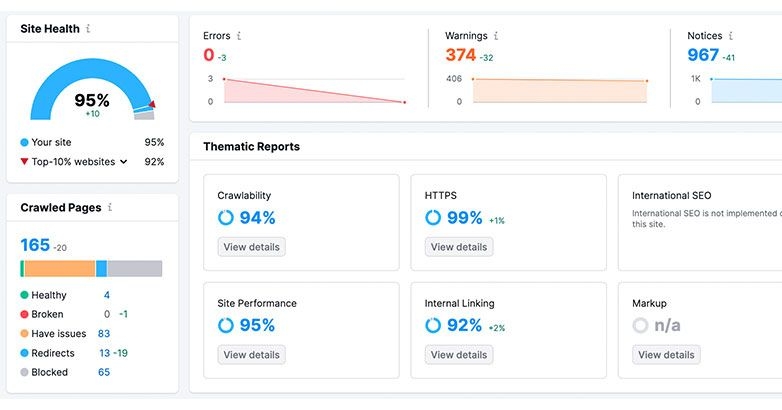
Technical SEO takes hospitality SEO to the next level by improving your site’s architecture for search engine crawlers, which can boost rankings.
- Site Structure and Navigation: A clear site structure helps guests and search engines easily navigate your site. Group related pages and create an intuitive flow to enhance user experience (UX) and SEO.
- URL Optimization: Use short, keyword-rich URLs that are easy to understand, avoiding special characters or long strings.
- XML Sitemaps and Robots.txt: A sitemap highlights key pages for search engines, while robots.txt can restrict pages (like duplicates) from being crawled.
- Canonicalization: Canonical tags prevent duplicate content by guiding search engines to the primary version of similar pages.
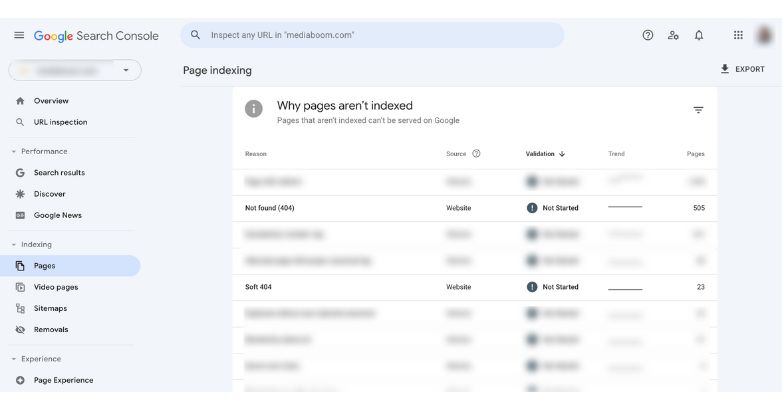
- Crawl Error Resolution: Use tools like Google Search Console to detect and fix errors like broken links, improving site performance and rankings.
- HTTPS Security: HTTPS is a must for data protection and trust. Install an SSL certificate if your site isn’t already secure.
- CDN (Content Delivery Network): CDNs speed up loading by delivering content from the nearest server, providing a smooth experience for visitors worldwide.
- Hreflang Tags for Multilingual Content: Hreflang tags direct users to the right language version of your site, helping improve engagement for international guests.
- Mobile Optimization and AMP: Ensure fast mobile loading speeds with Accelerated Mobile Pages (AMP) to keep users engaged and improve mobile rankings.
Partnering with an experienced hotel marketing agency ensures every technical detail—from site structure to mobile speed—is optimized for better visibility, a seamless guest experience, and increased direct bookings.
Enhance your hotel’s SEO and guest experience with expert technical support. Mediaboom’s team can optimize every technical detail, from site structure to mobile speed, ensuring your site ranks higher, loads faster, and attracts more bookings.
Contact us today to see how we can tailor a technical SEO strategy for your hotel’s success.
13. Local SEO Tactics for Hotels
Local SEO helps hotels appear in searches from nearby guests, like “hotels near me” or “accommodations in [city].” Here’s how to boost your local search visibility:
- Google Business Profile: Claim and verify your Google Business Profile and keep details like hours, address, and photos current. This listing boosts visibility on Google Maps and local search results, drawing in guests searching for hotels in your area.
- Hotel Directories: List your hotel on platforms like TripAdvisor, Yelp, and Expedia. Consistent and accurate info on these directories increases your credibility and reaches more potential guests.
- Local Citations: Gain local citations by ensuring your hotel’s name, address, and phone number (NAP) are consistently listed across local directories and social sites. These citations act as signals to search engines, strengthening your authority.
- Location-Specific Keywords: Use location-based keywords on your site, in meta tags, and in descriptions to target local queries.
- Local Content: Create content around local topics like events, attractions, or travel guides to engage your audience.
- Online Reviews: Encourage guests to leave positive reviews and respond to feedback promptly. Good reviews improve reputation and visibility in local searches.
With these tactics, your hotel can attract more local traffic and drive bookings from guests in your target area.
Download Our FREE Guide
Outrank OTAs & Drive Direct Bookings With Our Hospitality Digital Marketing Guide
Learn how leading hotels increase website traffic, reduce OTA commissions, and convert more guests with targeted digital marketing strategies.
SEO Tips for Hotels
1 . Target intent-rich long-tail keywords
Instead of chasing only high-volume phrases, map specific, longer queries that match traveler intent, such as “boutique hotel with rooftop bar near Times Square.” These terms typically convert better and let you dedicate a single page to each need or interest.
2 . Give your Google Business Profile weekly attention
Verified profiles in hospitality draw an average of 1,803 search views and about 200 actions every month, yet many businesses never post updates. Add fresh photos, keep hours current, and reply to reviews to turn that traffic into website clicks and direct calls.
3 . Add Hotel schema markup for rich snippets
Structured data (Hotel, Room, Review, FAQ) helps search engines display rates, amenities, and star ratings right in the results, increasing click-throughs without changing your ranking position.
4 . Meet Core Web Vitals standards
Slow or jumpy pages push guests and Google away. Aim for an LCP under 2.5 s, FID below 100 ms, and CLS under 0.1 by trimming heavy scripts, serving lighter images through a CDN, and keeping code tidy.
5 . Earn local backlinks through tourism and community sites
Listings on your city’s visitors bureau, hospitality association, chambers of commerce, and local blogs send highly relevant signals to Google while channeling referral traffic from travelers already planning a trip.
6 . Refresh technical and on-page basics
Use clear page titles, descriptive meta snippets, and at least one internal plus one external link per page. Mobile speed is now a primary ranking factor, so compress images and test every template on smaller screens.
7 . Collect and answer guest reviews
A Cornell study found that hotels responding to 40–45% of guest reviews can generate up to 2.2 times more booking revenue than those that don’t respond at all. Encourage satisfied guests to share photos as part of their review to enrich your profile further.
Measuring Hotel SEO Success
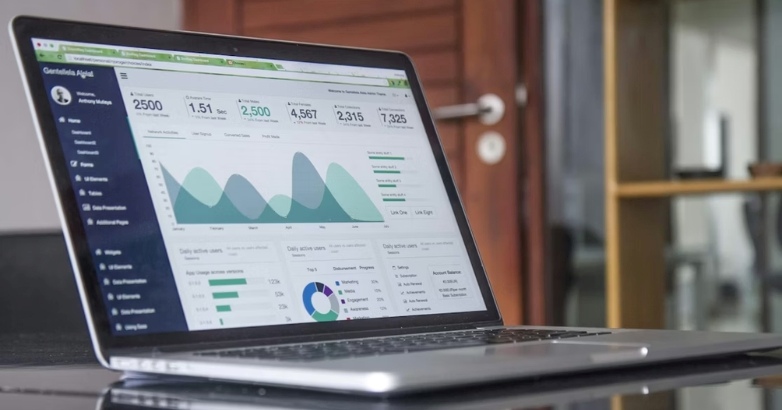
Hospitality SEO requires tracking metrics to gauge campaign success. Here are several to have your eye on as your campaign gets underway:
- Organic traffic percentage: a good metric you should continue building on with positive SEO practices.
- Keyword rankings: a positive metric that determines your webpage’s spot in SERPs for specific search terms; target relevant keywords to increase it.
- Conversion rate: is a good metric for measuring successful hotel bookings; increase conversions by strengthening your brand and adding reviews and testimonials.
- Revenue: a key measure of your hotel’s income from its services, can be boosted by enhancing customer retention, for instance, through email marketing.
- User engagement: a positive measure of how engaged your audience is; continue sending quality email content to hold their attention.
- Bounce rate: a negative metric that determines how often your audience leaves your site; lower yours by improving site loading speed and navigability.
- Domain authority: a positive metric determining your search engine score for an industry or search area; build quality backlinks and perform a site audit to raise yours.
- Backlink profile: a good metric that refers to how many backlinks your hotel website has generated.
Mediaboom’s SEO expertise will help you build on KPIs that matter to long-term ranking success. Schedule a free consultation with our experts today.

How to Track Hotel SEO Strategy Performance
To see how well your SEO strategy works, it’s important to track key performance indicators (KPIs), which are specific measurements showing your progress. Here are some helpful tools and KPIs to monitor:
- Google Analytics: This tool gives detailed insights into your website’s traffic and user behavior. Track KPIs like organic traffic (visitors from search engines), bounce rate (how quickly visitors leave), and conversion rate (the percentage of users who book a stay or take action). A free Google account provides basic metrics, while paid versions offer advanced features.
- Google Search Console: If your site isn’t ranking as expected, Google Search Console can show areas for improvement. Use it to track click-through rate (CTR) (how often users click on your link), impressions (how often your site appears in search results), and average position (your ranking on SERPs). These KPIs help you adjust your strategy for better results.
- SEMrush: This all-in-one SEO tool includes several features ideal for hotels:
- Position Tracking: Monitors your keyword rankings on SERPs.
- Listing Management: Ensures your hotel’s details are accurate on directories, improving local SEO.
- On-Page SEO Tracker: Analyzes your site compared to competitors, helping you refine content and keywords.
- Social Media Toolkit: Lets you schedule posts and analyze engagement to support SEO.
Tracking these KPIs gives you a clear view of your SEO performance. This insight helps you identify areas for improvement, attract more guests, and boost bookings.
Benefits of Hotel SEO
Implementing hospitality SEO offers many advantages, helping hotels succeed in the competitive hospitality industry:
- Increased Online Visibility: SEO boosts your hotel’s visibility on SERPs, exposing you to more potential guests, increasing website traffic, and driving bookings.
- Higher Organic Traffic: Hotels can attract qualified visitors through unpaid search results by optimizing content and site structure.
- Improved Rankings: SEO helps your site rank higher on Google and other search engines by optimizing keywords, meta tags, and backlinks.
- Enhanced Brand Awareness: Consistent visibility in search results builds brand recognition, helping guests see your hotel as a trustworthy option.
- Greater Competitiveness: Strong SEO helps your hotel stand out from competitors, drawing in more guests and gaining market share.
- Targeted Marketing to Guests: SEO targets potential guests searching for accommodations, displaying your website when they’re looking to book.
- Cost-Effective Marketing: Focusing on organic traffic reduces dependence on paid ads, offering a long-term, budget-friendly approach to marketing.
- Better User Experience: SEO improves site navigation, loading speed, and usability, enhancing visitor satisfaction and conversion chances.
- Higher Direct Bookings: Attract more qualified visitors to book directly on your site, bypassing third-party booking fees.
- Improved Online Reputation: Strong SEO strengthens your hotel’s reputation, as frequent visibility and valuable content build guest trust and lead to positive reviews.
How to do SEO for Hotels: Case Studies
Let’s now explore some insightful case studies and best practices.
Discover how the Mediaboom Team has utilized impactful SEO strategies to amplify online visibility, boost direct bookings, and elevate the overall brand presence of top-tier accommodation providers.
Ready to elevate your hotel’s online presence and attract more guests?
Visit our work page, we are a luxury marketing agency specialized in SEO for hotels, to learn how we can help you achieve your goals.
JW Marriott
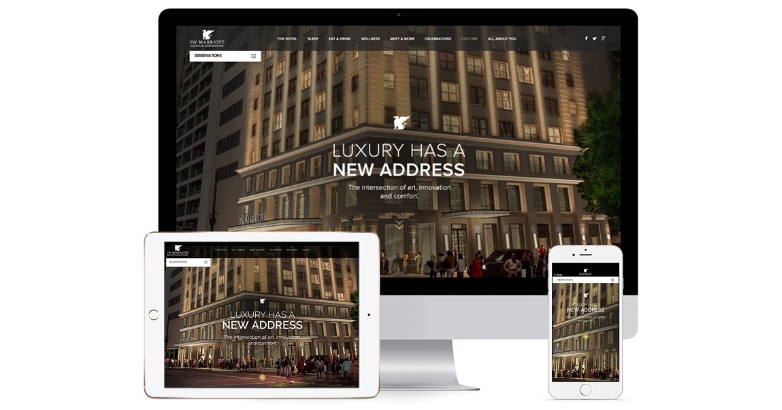
Mediaboom partnered with JW Marriott to position their new Houston hotel as the city’s premier luxury destination. Our team executed a comprehensive digital and print strategy, including SEO, custom website development, web design, and print design, tailored to align with the hotel’s grand opening.
We boosted online visibility through strategic SEO and targeted design, optimized the user experience, and created a compelling digital presence. This approach captured the essence of the JW Marriott brand and resonated with the hotel’s luxury market.
The results were significant: website traffic surged over 200%, increasing direct bookings and positioning JW Marriott as a top choice in Houston’s competitive hospitality market. The Houston hotel achieved a strong launch and ongoing success as a result of our efforts.
Musha Cay
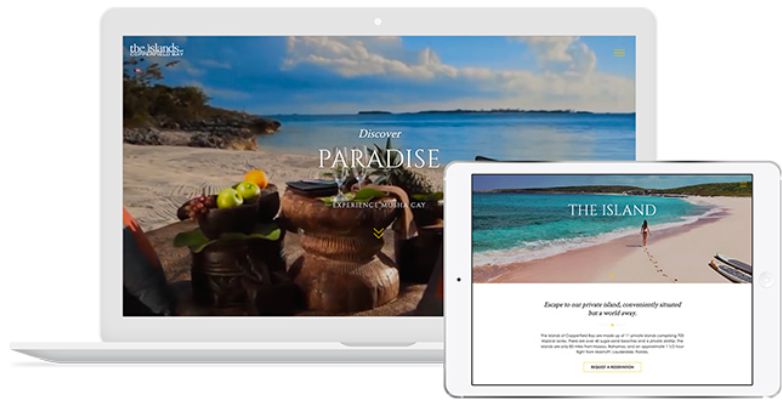
Musha Cay, David Copperfield’s exclusive resort in Copperfield Bay, partnered with Mediaboom to craft an immersive digital presence. We delivered SEO, custom animations, website development, and web design to captivate guests and reflect the resort’s unique luxury experience.
Through engaging custom animations and an optimized design, we crafted a website that immerses visitors in the enchanting atmosphere of Musha Cay. The SEO strategy ensured the site reached a discerning audience searching for luxury escapes.
Our work positioned the Musha Cay website as an unforgettable preview of the resort’s experience, enhancing brand perception and drawing in high-end clientele.
Millennium Tower San Francisco
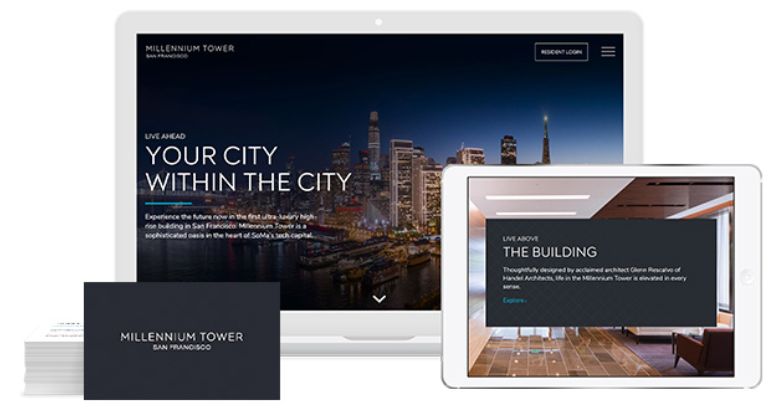
Millennium Tower San Francisco partnered with Mediaboom to create a custom digital experience that reflects the luxury lifestyle of this iconic high-rise.
Our team delivered a full suite of services, responsive web design, branding, SEO, custom animations, interactive elements, print design, and website development, all designed to bring the elegance and exclusivity of Millennium Tower to life online.
With a responsive design and interactive features, the new website offers visitors an engaging experience that mirrors the sophistication of the building itself. Our strategic SEO efforts also ensured that the site reached a target audience searching for upscale urban living.
The result was a powerful digital presence that strengthened Millennium Tower’s brand and attracted potential residents interested in San Francisco’s premier luxury high-rise.
FAQs about SEO for Hotels
SEO in the hotel industry involves optimizing a hotel’s website to rank higher on search engines, making it easier for potential guests to find it. Through SEO, hotels improve online visibility, attract qualified traffic, and increase bookings by targeting keywords related to accommodations, amenities, and location.
Yes, strong search visibility reaches guests and the gains are tangible. Organic traffic compounds over time, the channel often delivers a lower cost-per-booking than pay-per-click or display ads.
1. On-page SEO – page titles, headings, copy, and internal links inside your site.
2. Off-page SEO – backlinks, brand mentions, and other external signals.
3. Technical SEO – site speed, mobile friendliness, structured data, and crawl access.
4. Local SEO – Google Business Profile, local citations, and geo-targeted keywords that tell search engines you’re relevant for searches in your area.
When these four pillars work together, they help your hotel earn prominent rankings, drive more qualified traffic, and cut reliance on commission-heavy channels.
Industry research puts the average monthly retainer at $1 k–$2.5 k, with hourly work usually $50–$100. A separate survey of 439 providers shows that 63 % of businesses spend $500–$5 000 per month, scaling higher for complex or competitive projects.
Do You Have More Questions?
If you have additional questions or need further assistance with your hospitality SEO strategy, don’t hesitate to reach out to Mediaboom, our team of experts is here to help. Contact us today for personalized guidance and solutions tailored to your hotel’s needs.
Elevate Your Hospitality Brand Today
Schedule Your Free Consultation
Seeking to elevate your business? Let Mediaboom guide you. Secure your exclusive, free consultation with our digital marketing experts today.
SEO Agency for Hotels – Boost Bookings with Expert Guidance
With over 165,000 hotels competing in the U.S. alone, hospitality SEO is crucial for standing out and securing bookings.
A tailored hotel SEO strategy that covers On-Page, Off-Page, Technical, and Local SEO can significantly increase your visibility, bringing more guests to your site. While managing these areas can be complex, Mediaboom’s expertise simplifies the process. Let our team handle your SEO needs so your hotel can rise in rankings and capture more market share.
Contact us today to start enhancing your online presence and drive measurable results.
By: Frank DePino
Frank DePino is the Principal and Founder of Mediaboom, a top hotel marketing agency partnering with leading hotel and hospitality brands. With 30+ years of experience, he has led strategic digital initiatives for names including Four Seasons, Ritz-Carlton, JW Marriott, Millennium Partners, and Guardian Jet. Frank helps hospitality businesses strengthen brand presence, drive qualified leads, and elevate guest experiences through website design, SEO, content marketing, and paid media. Under his leadership, Mediaboom is a trusted partner for brands pursuing measurable digital growth in a competitive hospitality landscape.
READY TO IGNITE YOUR MARKETING STRATEGY?


