Online Hotel Marketing – 9 Strategies to Increase Direct Bookings

By: Frank DePino | September 4, 2026


Loading the Elevenlabs Text to Speech AudioNative Player...
Online hotel marketing helps properties reach travelers throughout the booking journey, from early destination research to the final reservation and future repeat stays.
The strongest programs connect search, paid media, metasearch, social content, email, reputation management, and the hotel website around clear commercial goals.
Rather than treating each channel separately, digital marketing for hotels should guide qualified travelers toward a smooth direct-booking experience.
In this guide, we’ll explore 9 online hotel marketing strategies that can help properties increase direct bookings:
- Building a High-Converting Hotel Website
- Winning High-Intent Searches With Hotel SEO
- Running Paid Search and Retargeting Campaigns
- Using Google Hotel Ads and Metasearch
- Influencing Travel Decisions Through Social Media
- Publishing Content That Attracts Ready-to-Book Travelers
- Using Segmented Email Marketing
- Building Trust Through Reviews and Reputation Management
- Measuring Bookings, Revenue, and Marketing Performance
By aligning these strategies around the guest journey, hotels can create a more effective online presence that attracts qualified travelers, increases direct bookings, and supports long-term revenue growth.
What Is Online Hotel Marketing?
Online hotel marketing is the process of reaching travelers through digital channels and turning their interest into reservations. It covers every major online touchpoint between a potential guest and the property, including search engines, the hotel website, paid advertising, metasearch, social media, email, reviews, and local listings.
Good hotel digital marketing is not simply about being present on more channels. Each channel should have a clear role. Search may capture travelers already researching accommodation, social media can introduce the experience, email can bring previous guests back, and the website should turn that demand into bookings.
Hotel internet marketing has also become closely connected to distribution. A traveler may first find a hotel through an OTA or metasearch platform before visiting the official website to compare rooms, policies, packages, or direct-booking benefits.

Why Is Online Hotel Marketing Important?
Travelers rarely move directly from discovering a hotel to booking it. They may encounter the property through Google, maps, social media, an OTA, a review platform, or destination content before deciding where to stay.
That makes hotel online marketing important at multiple stages of the decision process. Strong visibility can introduce the property, while useful content, reviews, rates, and website experience help move the traveler closer to a reservation.
Digital channels increasingly shape that discovery process. Expedia Group’s 2025 Traveler Value Index found that more than 60% of consumers used social media as a source of travel inspiration, up from 35% in 2023.
A clear hotel digital marketing strategy can help a property:
- Reach travelers with stronger booking intent
- Generate more direct reservations
- Communicate what makes the property different
- Build first-party guest relationships
- Promote rooms, packages, and amenities
- Increase repeat business
- Reduce excessive dependence on third-party distribution
- Understand which channels contribute to revenue
The growing role of digital marketing in hospitality industry planning reflects a broader change in how properties attract and retain guests.
Marketing is no longer limited to generating awareness. It also affects the booking experience, guest data, reputation, and long-term revenue.
Is Your Hotel Showing Up in ChatGPT?
Travelers are increasingly using AI tools to research destinations before they ever reach a booking site. See how your hotel appears in these AI-generated answers, where competitors or OTAs may be gaining visibility, and whether there are opportunities to strengthen your presence.
How Do You Build an Online Hotel Marketing Strategy?
A useful digital marketing plan for hotels starts with the business problem, not the marketing channel.
Before deciding how much to spend on search ads or how often to post on Instagram, define six areas:
- Guest segments: Couples, families, business travelers, groups, event guests, or another priority audience.
- Commercial goals: Direct bookings, occupancy during quieter periods, higher booking value, repeat stays, or group inquiries.
- Property positioning: The reasons a traveler should choose this hotel over nearby alternatives.
- Channel roles: Which channels create awareness, capture existing demand, recover lost bookings, and support repeat stays.
- Budget and timing: Seasonal priorities, campaign windows, and available investment.
- Measurement: Confirmed bookings, revenue, conversion rate, acquisition cost, and return on ad spend.
For example:
| Goal | Main Channels | Primary KPI |
| Increase destination visibility | SEO, local content, social media | Qualified organic traffic |
| Capture active hotel demand | Paid search, local SEO, metasearch | Booking revenue |
| Recover undecided visitors | Retargeting, email | Recovered bookings |
| Grow repeat business | Email, loyalty offers | Repeat booking rate |
| Increase booking value | Website packages, pre-arrival email | Revenue per booking |
A smaller independent property may have a very different hotel internet marketing strategy from a large resort or multi-property group. The point is not to participate in every channel. It is to choose channels that support the hotel’s audience, goals, and available resources.
Once those decisions are made, a digital marketing strategy for hotels becomes much easier to put into practice.
9 Online Hotel Marketing Strategies to Increase Direct Bookings
The following nine strategies cover the main areas hotels can use to attract demand, influence booking decisions, convert travelers, and retain previous guests.
1. Build a High-Converting Hotel Website
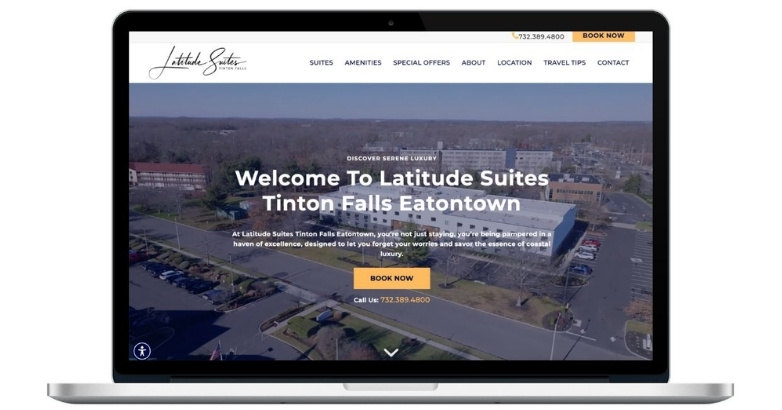
The website is where marketing demand becomes direct-booking revenue. It should quickly answer four questions:
- Is this property right for my trip?
- What will the stay feel like?
- Which room or package fits my needs?
- Can I book easily at a fair rate?
Design for Mobile Booking Behavior
Keep room information readable, booking actions easy to reach, and phone numbers tappable. Avoid intrusive pop-ups that block important information, particularly on smaller screens.
The booking engine should also feel connected to the website. Room names, policies, photography, rates, and other details should remain consistent as travelers move into the reservation process.
Show the Stay and Reduce Friction
Strong photography and short video can communicate rooms, common areas, dining, wellness spaces, views, and nearby experiences more quickly than large blocks of descriptive copy.
Useful booking features include:
- A persistent booking button
- Clear room comparisons
- Visible cancellation and deposit policies
- Easy access to parking, pet, check-in, and accessibility information
- Relevant add-ons such as breakfast, parking, spa services, or late checkout
Ask someone unfamiliar with the hotel to choose a room and complete a reservation. This can reveal confusing steps that are easy for an internal team to overlook.
2. Win High-Intent Searches With Hotel SEO
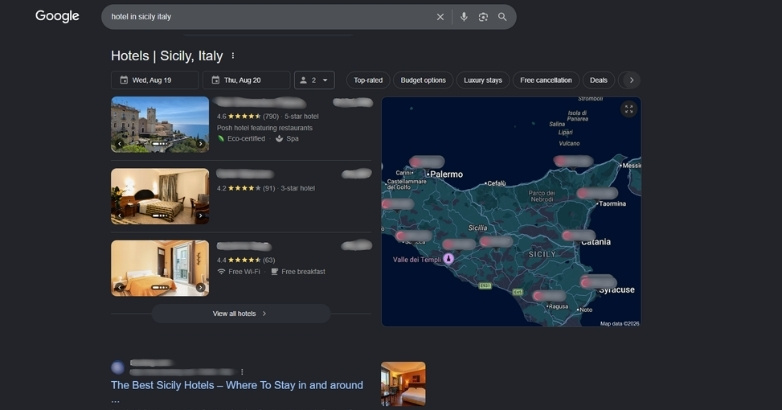
Search can reach travelers at several stages of trip planning, from researching a destination to searching for a hotel near a specific venue.
A strong approach to digital marketing in hotel industry search should focus on the intent behind those queries rather than producing pages simply to target keywords.
Build Pages Around Booking Intent
Do not expect the homepage to rank for every hotel-related search.
Create focused pages where meaningful demand exists, such as:
- Hotel in [city or neighborhood]
- Hotel near [venue, attraction, hospital, campus, or airport]
- Pet-friendly hotel in [location]
- Hotel with suites in [location]
- Wedding accommodations in [location]
Each page should answer the search immediately, explain why the property fits that need, and provide a clear path toward checking rates or booking.
Strengthen Local Visibility
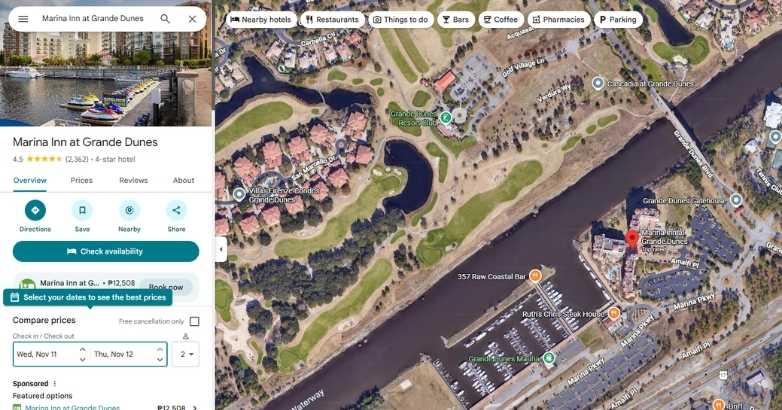
Keep the property’s key information accurate across Google Business Profile and major travel platforms.
Photos, reviews, amenities, categories, and other property details all contribute to how travelers assess the hotel before they reach its website.
Hotels can also publish local content around:
- Events
- Restaurants
- Beaches
- Business districts
- Wedding venues
- Attractions
- Seasonal activities
- Transportation
These pages can reach travelers earlier while naturally connecting destination research with the property’s location.
Is Your Hotel Showing Up in ChatGPT?
Travelers are increasingly using AI tools to research destinations before they ever reach a booking site. See how your hotel appears in these AI-generated answers, where competitors or OTAs may be gaining visibility, and whether there are opportunities to strengthen your presence.
3. Run Paid Search and Retargeting Campaigns
Paid search is particularly useful when travelers already know what type of accommodation or location they need.
Instead of sending every paid visitor to the homepage, separate campaigns around clear intent.
Examples include:
- Hotels near major attractions
- Wedding accommodations
- Seasonal packages
- Suites
- Pet-friendly stays
- Extended stays
- Priority source markets
The search term, ad, and landing page should tell the same story.
For example, someone searching for accommodation near a concert venue should land on a page that explains the hotel’s distance from the venue, transportation options, parking, room choices, and other relevant details.
Retargeting can bring back travelers who visited the site but did not finish booking. Audience groups can be based on meaningful behavior such as room pages viewed, packages considered, or progress through the booking process.
Good digital marketing campaigns for hotels should ultimately be judged by reservations and revenue rather than clicks alone.
4. Use Google Hotel Ads and Metasearch
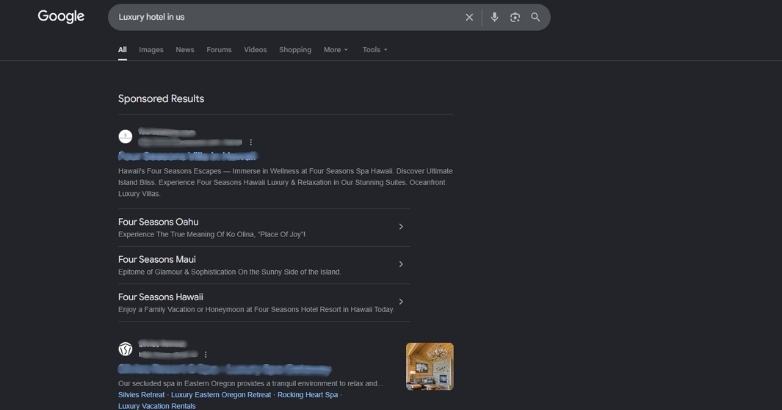
Metasearch reaches travelers during one of the most commercially valuable parts of the booking journey: comparing hotels, rates, dates, and booking channels.
Google Hotel Ads can connect hotel inventory and pricing data with travelers actively researching accommodation.
A strong metasearch setup depends on:
- Accurate rates and availability
- A reliable booking-engine connection
- Clear room and rate information
- Competitive direct-booking value
- Landing pages that reflect the selected dates
- Revenue tracking after confirmation
Performance should be judged against booking revenue, acquisition cost, cancellation patterns, and length of stay rather than only cost per click.
For resorts and larger properties, digital marketing for resorts may combine metasearch with broader campaigns focused on the destination, spa, dining, weddings, activities, or other experiences that influence the stay.
5. Influence Travel Decisions Through Social Media
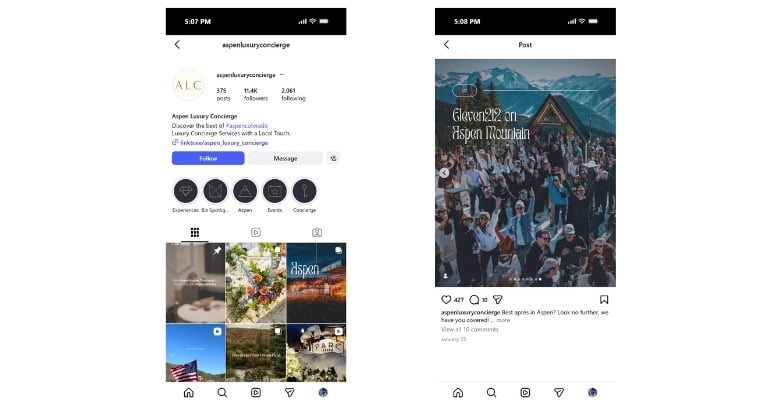
Social platforms can introduce the atmosphere and personality of a hotel long before a traveler is ready to reserve a room.
Rather than posting an endless sequence of property photos, organize content around recurring themes:
- Rooms and signature amenities
- Dining and drinks
- Wellness
- Staff stories
- Neighborhood recommendations
- Seasonal experiences
- Events and packages
- Guest photos and videos
- Common travel questions
Guest-created content can be especially useful because it presents the stay from a visitor’s perspective. Ask permission before reposting it through hotel channels.
Paid social campaigns can support destination awareness, weddings, packages, events, and remarketing.
Hospitality advertising generally performs better when the creative communicates a specific experience or reason to travel rather than simply announcing that rooms are available.
Is Your Hotel Showing Up in ChatGPT?
Travelers are increasingly using AI tools to research destinations before they ever reach a booking site. See how your hotel appears in these AI-generated answers, where competitors or OTAs may be gaining visibility, and whether there are opportunities to strengthen your presence.
6. Publish Content That Attracts Ready-to-Book Travelers
Hotel content should solve real trip-planning questions and create a natural connection between the answer and the property.
Useful topics include:
- Where to stay near an event or venue
- Best time to visit the destination
- Weekend itineraries
- Family, couple, or business travel guides
- Transportation and parking information
- Seasonal activities
- Restaurant and nightlife guides
- Beaches, museums, trails, and shopping
Start with the direct answer, then add practical details such as distance, timing, costs, reservations, accessibility, and who the experience suits.
The best hotel digital marketing content does more than bring visitors to the website. It reaches the right traveler at a useful moment and makes the property relevant to the trip they are planning.
7. Use Segmented Email Marketing
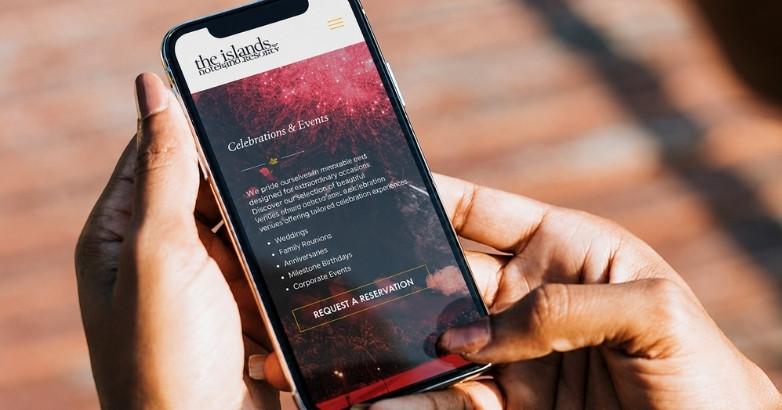
Email can support the guest relationship before booking, before arrival, after checkout, and when the traveler is ready for another stay.
Before Booking
Where consent and technology allow it, hotels can send relevant offers or content based on travel dates, destination interests, previous stays, or booking behavior.
Abandoned-booking emails can also give high-intent visitors a reason to return and finish their reservation.
Before Arrival
Pre-arrival emails can provide practical information while introducing relevant additions to the stay:
- Dining reservations
- Spa appointments
- Parking or transportation
- Early check-in
- Late checkout
- Local events
- Room upgrades
- Arrival instructions
After the Stay
Post-stay communication can thank the guest, request honest feedback, and introduce a reason to return.
Hotels should not offer discounts, gifts, or free services in exchange for a Google review. Google prohibits incentives tied to posting or changing reviews.
A hotel internet marketing plan should also set clear rules around consent, message frequency, audience groups, and exclusions.
8. Build Trust Through Reviews and Reputation Management
Reviews play an important role when travelers compare hotels with similar prices, locations, or amenities.
Focus on the platforms where potential guests actually research the property, including Google, Tripadvisor, major OTAs, and other relevant travel platforms.
A useful review process should:
- Ask eligible guests for honest feedback
- Make the request simple and timely
- Avoid incentives
- Avoid review gating
- Respond to both positive and negative reviews
- Move sensitive service recovery into a private conversation
- Track recurring complaints or praise
Responses should reference the guest’s actual experience rather than relying on generic templates.
Review monitoring can also reveal operational issues. If guests repeatedly mention noise, housekeeping, breakfast, parking, or check-in problems, those comments can inform changes beyond marketing.

9. Measure Bookings, Revenue, and Marketing Performance
Marketing reports should connect activity with reservations and revenue.
Traffic, engagement, and rankings provide useful context, but they do not show the full commercial result.
| Metric | What It Tells You |
| Booking conversion rate | How often website visitors reserve |
| Direct booking revenue | Revenue from the official booking path |
| Cost per booking | Marketing cost required for a reservation |
| Return on ad spend | Revenue attributed to paid media |
| Average booking value | Revenue per reservation |
| Cancellation rate | How much reported demand later disappears |
| Assisted conversions | Channels that contributed before booking |
| Repeat booking rate | Share of guests who return |
Connect website analytics with advertising platforms, call tracking, CRM data, and booking-engine reporting where possible.
Booking events should represent successful reservations rather than button clicks or booking attempts. This distinction matters when comparing marketing reports with actual hotel revenue.
Hotel digital marketing solutions can make data easier to collect and report, but the hotel still needs clear definitions for bookings, leads, conversions, and revenue.
Common Online Hotel Marketing Mistakes
| Mistake | Why It Hurts |
| Sending every campaign to the homepage | The page may not match the traveler’s intent |
| Treating the booking engine as separate | An inconsistent experience can reduce confidence |
| Publishing generic travel content | Traffic may grow without meaningful booking demand |
| Measuring clicks instead of reservations | Reports can overstate performance |
| Sending the same message to every guest | Offers become less relevant |
| Ignoring metasearch | The hotel misses travelers comparing live rates |
| Asking only happy guests for reviews | This can become review gating |
| Depending too heavily on OTAs | The hotel gives up margin and first-party guest relationships |
| Leaving outdated offers or policies online | Incorrect information can reduce trust |

When Should You Hire a Hotel Marketing Agency?
Outside support may make sense when direct-booking growth has stalled, the website attracts traffic without producing enough reservations, tracking does not match booking revenue, or the internal team does not have the capacity to manage every channel.
When comparing hotel digital marketing services, look beyond the number of channels included in a package.
Ask potential partners about:
- Hospitality experience
- Reporting and attribution
- Ownership of advertising accounts and data
- Booking-engine tracking
- Communication and approval processes
- Experience with similar property types
- Examples connected to bookings or revenue
Some agencies provide broad digital marketing services for hotels, while others specialize in areas such as SEO, paid media, website design, or content. The right choice depends on the gaps the hotel actually needs to address.
WHAT OUR CLIENTS SAY
Online Hotel Marketing in Practice
Marina Inn at Grande Dunes
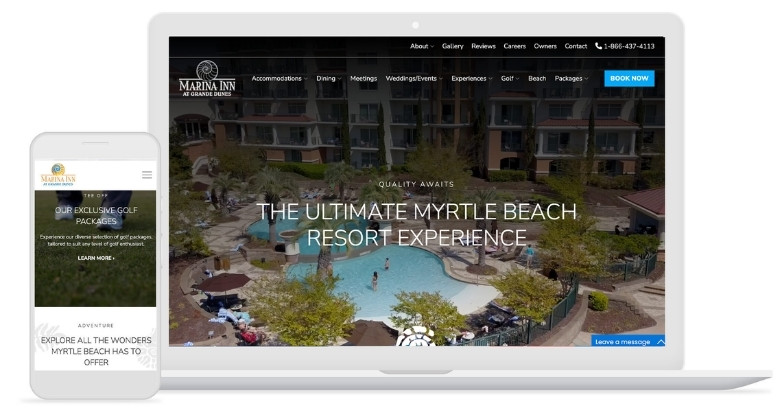
Marina Inn at Grande Dunes partnered with Mediaboom on its digital presence, with work spanning website design, mobile usability, booking integration, SEO, and paid advertising.
The project shows how the website experience and customer-acquisition channels can be planned as parts of the same booking journey.
Musha Cay
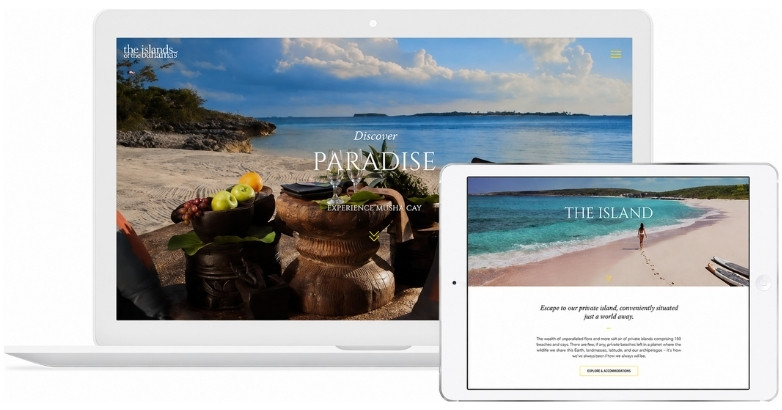
Mediaboom also worked with Musha Cay, a private island resort, on a digital experience centered on the property’s distinctive positioning.
The project combined visual presentation, website development, and search considerations to communicate the resort experience to potential guests online.
These examples show why hotel marketing should reflect the property, audience, and booking journey rather than follow the same formula for every hotel.
Online Hotel Marketing FAQs
I. How do you market a hotel online?
Marketing hotels online starts with understanding who the property wants to attract and what should lead those travelers toward booking.
For most hotels, that means combining a strong website with search visibility, local presence, paid media, metasearch, social content, email, reviews, and accurate revenue tracking.
II. What is the best digital marketing strategy for hotels?
There is no single channel that works best for every property.
A good hotel online marketing strategy combines channels that capture existing demand with channels that introduce the property, bring undecided travelers back, and encourage previous guests to return.
III. What should a hotel internet marketing plan include?
A hotel internet marketing plan should define priority audiences, positioning, business goals, channel responsibilities, campaign timing, budget, content priorities, and booking KPIs.
It should also explain how information moves between the website, booking engine, advertising platforms, analytics platform, and CRM.
IV. How much should a hotel spend on digital marketing?
There is no universal percentage that fits every property.
Budget should account for revenue targets, average daily rate, seasonality, occupancy gaps, competition, existing brand demand, and the cost of acquiring a booking through each channel.
V. How can a hotel reduce dependence on OTAs?
Build stronger direct visibility, give travelers a clear reason to book through the official website, maintain competitive rates and packages, improve the booking experience, collect first-party guest data, and communicate with previous guests.
OTAs can remain an important distribution channel without controlling the entire guest relationship.
VI. What is the difference between online hotel marketing and hotel distribution?
Online marketing creates awareness, influences travel decisions, and generates demand.
Distribution makes room inventory available through OTAs, wholesalers, global distribution systems, metasearch, and the hotel’s own booking platform.
The two should work together because pricing, availability, audience behavior, and booking data affect both.
VII. Which hotel marketing KPIs matter most?
Prioritize confirmed booking revenue, cost per booking, booking conversion rate, return on ad spend, average booking value, length of stay, cancellation rate, and repeat booking rate.
Traffic and engagement are useful supporting metrics, but they should not replace actual booking performance.
Elevate Your Hospitality Brand Today
Schedule Your Free Consultation
Seeking to elevate your business? Let Mediaboom guide you. Secure your exclusive, free consultation with our digital marketing experts today.
Turn More Online Interest Into Direct Bookings
Online hotel marketing works best when the individual channels support the same booking journey.
A traveler might first discover a property through social media, return through a Google search, read a destination guide, compare rates on metasearch, check reviews, and finally reserve through the hotel website.
Mediaboom works with hotels and resorts across website design, SEO, paid media, content, and other areas of digital marketing.
Contact Mediaboom to discuss a program based on your property, audience, current marketing performance, and direct-booking goals.
By: Frank DePino
Frank DePino is the Principal and Founder of Mediaboom, a top hotel marketing agency partnering with leading hotel and hospitality brands. With 30+ years of experience, he has led strategic digital initiatives for names including Four Seasons, Ritz-Carlton, JW Marriott, Millennium Partners, and Guardian Jet. Frank helps hospitality businesses strengthen brand presence, drive qualified leads, and elevate guest experiences through website design, SEO, content marketing, and paid media. Under his leadership, Mediaboom is a trusted partner for brands pursuing measurable digital growth in a competitive hospitality landscape.