Online Hotel Marketing – 9 Strategies to Increase Booking

By: Frank DePino | October 20, 2025


In today’s digital age, online hotel marketing is essential, aiming to increase visibility and drive direct bookings.
Online hotel marketing, when executed effectively, allows hoteliers to move beyond reliance on Online Travel Agencies (OTAs) and take control of their sales and brand reputation. In fact, 70% of hotel bookings are made online, emphasizing the critical need for hotels to adopt a robust online marketing strategy.
This article outlines 9 key strategies to enhance your hotel’s online presence, attract more guests, and drive measurable results.
Table of Contents
- Build a High-Converting Hotel Website
- Invest in Local SEO and Hotel-Specific Search Optimization
- Launch Targeted Paid Search & Retargeting Campaigns
- Use Social Media to Influence Travelers’ Decisions
- Publish Content That Builds Authority & Drives Traffic
- Implement Automated and Segmented Email Marketing
- Manage Your Online Reputation and Respond to Reviews
- Track Performance with Analytics and Conversion Tools
- Partner with a Hotel Marketing Agency for Long-Term Growth
1. Build A High-Converting Hotel Website
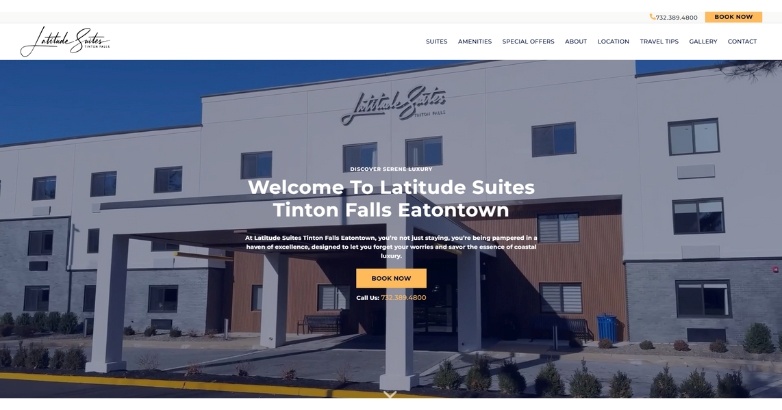
Your website isn’t just a page, it’s the first impression a guest gets of your hotel. To turn visitors into bookings, focus on user experience and functionality.
Mobile-First Design Optimized for Travelers
More than half of hotel bookings now happen on mobile. But mobile-first doesn’t just mean “fits on a phone screen.” Think about how travelers browse: they often compare hotels while commuting, checking reviews, or looking for last-minute deals. Features like sticky booking bars, tap-to-call phone numbers, and gesture-friendly image galleries make it effortless for users to browse and book on the go.
Immersive Visual Storytelling
High-quality visuals aren’t just decoration, they allow guests to picture themselves staying at your hotel. Highlight your rooftop views, cozy suites, or nearby attractions. A short 30-second video walkthrough showcasing the hotel’s personality can create an emotional connection that text alone can’t achieve.
Micro-Experiences That Boost Engagement
Beyond CTAs, integrate micro-experiences that subtly guide the guest:
- Hover animations on room cards showing nightly rates and amenities
- Quick “Compare Rooms” feature to reduce choice paralysis
- A mini chatbot that answers common questions instantly (e.g., check-in times, pet policies)
These small, thoughtful interactions create a sense of control and personalization that large OTAs can’t replicate.
Personalized Direct Booking Journey
Direct bookings convert better when the experience is tailored to the visitor. Examples:
- Returning visitors see their preferred room type first
- Visitors from specific cities or countries see localized deals
- Incorporate a smart upsell engine suggesting room upgrades, spa packages, or early check-in options at checkout
These personalization strategies make guests feel valued and can significantly increase revenue per booking.
Insider Tip: Test as a Guest, Not a Marketer
Experience your site as a first-time guest. Look beyond aesthetics:
- Can you find the information you want in under 30 seconds?
- Does the booking process feel intuitive without reading instructions?
- Does the site reflect the unique personality of your hotel?
Hotels that obsess over tiny UX details, from load speed to micro-interactions, see measurable increases in conversions, and happier guests.
For more inspiration and examples of luxury hotel website designs, check out Mediaboom’s article: Luxury Hotel Website Design – 72 Examples You Shouldn’t Miss. This resource showcases how top-tier hotels transform their websites into digital lobbies that mesmerize and persuade, drawing inspiration from 72 standout designs worldwide.
Download Our FREE E-Book
Outrank OTAs & Drive Direct Bookings With our SEO Blueprint
Learn the secrets to driving more traffic to your hotel website, generating more leads, and ultimately increasing sales.
2. Invest In Local Seo And Hotel-Specific Search Optimization
Local SEO is a game-changer for hotels. Travelers often search for accommodations near landmarks, events, or neighborhoods, and appearing at the top of local search results can dramatically increase direct bookings. Unlike generic SEO, hotel-specific strategies consider the nuances of hospitality marketing, helping your property stand out from nearby competitors.
Optimize Your Google Business Profile
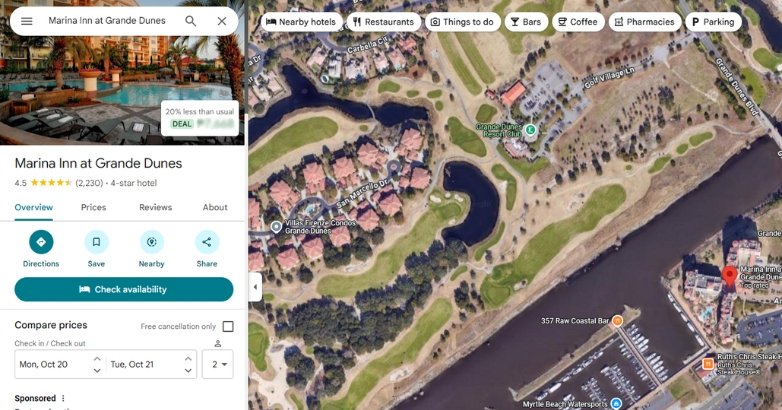
Your Google Business Profile is one of the most powerful tools for local SEO. A fully optimized profile can place your hotel in Google’s Local Pack, often appearing above organic search results.
- Ensure every detail, hotel name, address, phone number, amenities, and hours, is accurate.
- Upload high-quality photos showcasing rooms, facilities, and local attractions.
- Respond promptly to guest reviews to build credibility and encourage direct bookings.
Unique tip for hotels: Add seasonal posts, special packages, or local event highlights to your profile. Travelers searching for “hotels near [event] this weekend” are more likely to notice a property actively promoting relevant experiences.
For more hotel-specific insights, check out Mediaboom’s guide on Local SEO for Hotels.
Leverage Geo-Targeted Keywords
Using geo-targeted keywords ensures your hotel appears in searches relevant to your location. Examples include:
- “Boutique hotels in [City]”
- “Luxury hotels near [Landmark]”
- “Pet-friendly hotels in [Neighborhood]”
These keywords attract travelers actively looking for accommodations in your area, increasing booking intent and conversion rates.
Pro tip: Incorporate hyper-local content like nearby restaurants, walking tours, or hidden gems, this not only improves SEO but positions your hotel as a local expert. Learn more about effective geo-targeting strategies in SEMrush’s guide: Geo-Targeting SEO.
Ensure NAP Consistency and Build Citations
Maintaining consistent Name, Address, and Phone (NAP) information across all platforms is critical. Inconsistent NAP details can confuse search engines and harm rankings.
- Audit directories like Yelp, TripAdvisor, Booking.com, and local business listings to ensure consistency.
- Acquire citations on reputable sites to boost authority and credibility.
Moz’s guide on NAP in Local SEO is an excellent reference for building a strong local presence.
Hotel-specific tip: Use location-specific structured data markup on your website to help Google understand your property’s exact location, star rating, and amenities, improving your chances of appearing in rich results and voice search queries.
Optimize for Voice Search
Voice search is increasingly used by travelers asking smart assistants for nearby hotels. Integrate conversational phrases like:
- “Hotels near Central Park with free Wi-Fi”
- “Pet-friendly hotels in [City]”
This helps your hotel appear in featured snippets and voice search results, giving you a competitive edge.
3. Launch Targeted Paid Search & Retargeting Campaigns
In the world of online marketing hotel, targeted paid search and retargeting campaigns are powerful tools to drive qualified traffic, increase visibility, and boost direct bookings. Unlike generic paid campaigns, hotel-specific strategies focus on the traveler’s journey, intent, and booking behavior.
Branded Search Ads
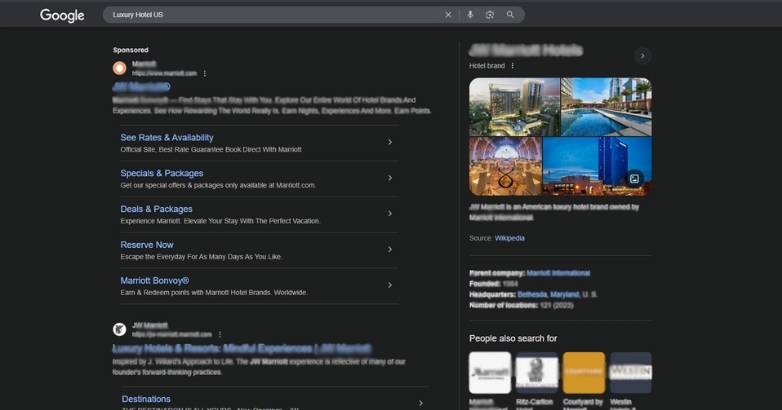
Branded search campaigns target travelers already familiar with your hotel’s name. When they search for your property, your ad appears prominently, reinforcing brand identity and encouraging direct bookings. This also protects your hotel from competitors who might try to capture your brand’s search traffic.
Unique hotel tip: Highlight seasonal packages or exclusive offers in the ad copy, guests searching for your hotel often respond to urgency or unique experiences.
Location-Specific Campaigns and Seasonal Promotions
Geo-targeted campaigns are essential for attracting guests searching for hotels near attractions, events, or neighborhoods. Tailor your messaging to include local points of interest, like:
- “Luxury suites near [Landmark]”
- “Family-friendly hotels close to [Theme Park]”
During peak periods, run seasonal promotions with time-sensitive deals to encourage immediate bookings. Advanced tactics include AI-driven advertising, which automatically optimizes bids, ad placements, and audience targeting, ensuring your campaigns deliver maximum ROI.
Pro tip: Test ad variations highlighting different hotel amenities (spa, rooftop bar, pet-friendly rooms) to see which drives the highest conversions for each target segment.
Retargeting for Abandoned Bookings
Visitors who leave your website without booking are prime candidates for retargeting campaigns. Display personalized ads across websites and social media platforms to remind them of their interest. Offering small incentives, like a limited-time discount or complimentary upgrade, can effectively convert these leads into confirmed bookings.
Hotel-specific insight: Segment retargeting ads based on room type or package viewed. For example, a visitor browsing your deluxe suite should see an ad promoting that exact suite rather than generic options.
Partner with the Right Experts
Running highly effective paid campaigns requires expertise in hospitality, specific digital marketing. Partnering with specialized agencies can make a big difference. Learn more from Mediaboom’s guide on the Best SEO and Hotel Marketing Agencies to find experts who understand hotel behavior, booking trends, and ROI-driven strategies.
4. Use Social Media To Influence Travelers’ Decisions
Social media is a powerful tool for influencing travelers’ decisions and encouraging them to choose your hotel.
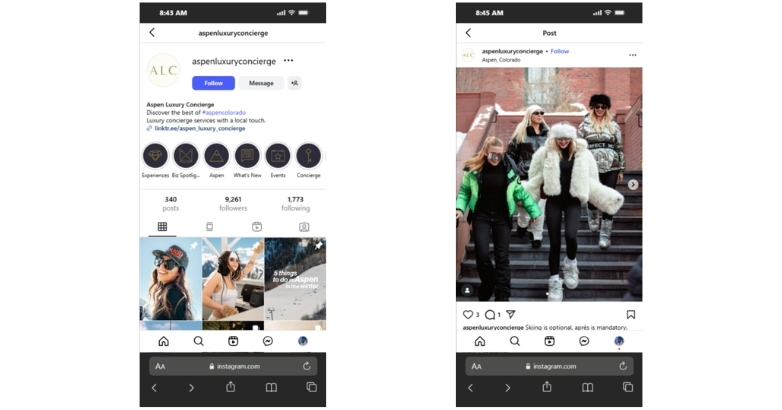
Platforms like Instagram and TikTok are ideal for showcasing stunning visuals of your property, local attractions, and the unique experiences you offer. By posting high-quality photos and short videos, you can create an emotional connection with potential guests and inspire them to book a stay.
User-Generated Content (UGC) is another valuable resource for building credibility and trust. Encouraging your guests to share their experiences through photos, videos, and testimonials on their social channels can provide authentic content that resonates with future travelers. Reposting this UGC on your own social media helps create a sense of community and reinforces your hotel’s reputation.
Additionally, Facebook is a great platform for running paid campaigns and promoting events or seasonal offers. With its advanced targeting options, Facebook allows you to reach potential guests based on their interests, location, and behavior. You can also promote exclusive events or packages to entice guests to book directly through ads, leading to higher engagement and conversions.
Social media, when used effectively, can significantly influence travelers’ booking decisions and drive direct bookings.
Elevate Your Hospitality Brand Today
Schedule Your Free Consultation
Seeking to elevate your business? Let Mediaboom guide you. Secure your exclusive, free consultation with our digital marketing experts today.
5. Publish Content That Builds Authority & Drives Traffic
Creating high-quality, relevant content is a cornerstone of online marketing hotel strategies. It not only boosts your SEO but also positions your hotel as a trusted authority, engages potential guests, and drives direct bookings.
Hotel Blog: Travel Guides, Tips, and Local Insights
A hotel blog is more than a marketing tool, it’s a resource for travelers. Share content such as:
- Insider travel guides highlighting local attractions, hidden gems, or seasonal events
- Curated tips for dining, nightlife, or family-friendly activities
- Stories about your hotel’s unique experiences, such as chef’s specials, spa treatments, or curated guest packages
Unique tactic for hotels: Use CRM data to deliver personalized content suggestions to returning visitors. For example, guests who previously booked a spa package could see posts about wellness retreats or spa events in your area.
For more in-depth guidance, check out Mediaboom’s resources on Content Marketing for Hotels and Travel Content Marketing.
Improve SEO with Long-Tail Keywords
Long-tail keywords capture highly qualified traffic because they reflect a user’s specific intent. Examples include:
- “Best boutique hotel in [City] for couples”
- “Pet-friendly hotels near [Landmark]”
- “Luxury hotels with rooftop bars in [Neighborhood]”
These targeted phrases help attract niche audiences who are ready to book, increasing direct reservations. Pair keywords with engaging headlines and meta descriptions to maximize click-through rates.
Learn more about using long-tail keywords effectively with WordStream’s guide.
Position Your Hotel as a Local Expert
Sharing insider knowledge strengthens your brand and builds trust. Consider creating content like:
- Guides for off-the-beaten-path experiences or secret spots only locals know
- Highlighting community events or collaborations with local artisans and restaurants
- “Local’s choice” itineraries that feature your hotel as the hub of exploration
This approach improves SEO and convinces travelers that your hotel offers an authentic, curated experience in the area.
Pro tip: Combine blog content with social media posts or email campaigns to amplify reach, engagement, and bookings. For expert execution, partnering with a hotel digital marketing agency can maximize results.
6. Implement Automated And Segmented Email Marketing
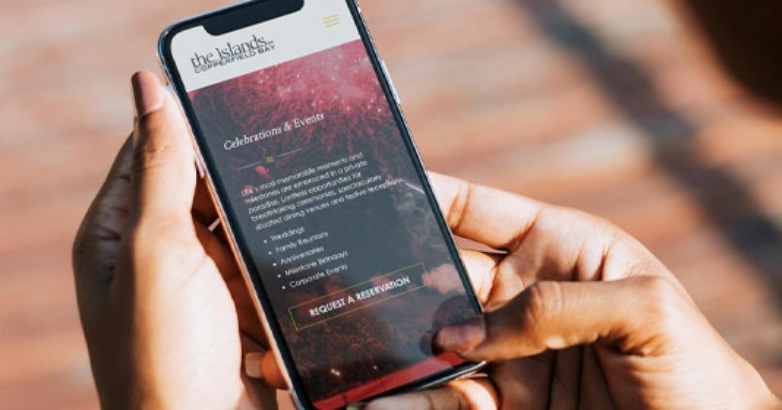
Implementing automated and segmented email marketing is a highly effective way to nurture guest relationships and drive repeat bookings. By creating tailored email campaigns for different segments of your audience, you can engage with guests at various stages of their journey, from initial interest to post-stay. Here are three key strategies to consider:
Welcome Sequences
These sequences are essential for making a positive first impression. After a guest books a stay, an automated welcome email should be sent to provide important details, such as booking confirmation, check-in instructions, and a brief introduction to the hotel’s amenities. This email can also include personalized recommendations for things to do in the area, making guests feel valued even before they arrive.
Post-Stay Emails and Review Requests
After guests check out, sending post-stay emails is an excellent way to maintain engagement. Thank them for their visit, and invite them to share their experience through a review request. Positive reviews are essential for building your hotel’s reputation and improving SEO. You can also offer incentives for leaving reviews, such as a discount on future bookings.
Tech integration: Use automation platforms like HubSpot or Mailchimp to streamline campaigns.
Loyalty Promotions and Seasonal Offers
Automated loyalty promotions and seasonal offers allow you to segment your email list based on guest preferences and booking history. Send exclusive offers to repeat customers, encouraging them to return. Seasonal promotions, such as discounts for the holidays or summer, can also drive bookings during slower periods. By using email segmentation, you ensure that your messages are relevant, timely, and increase the likelihood of repeat business.
7. Manage Your Online Reputation And Respond To Reviews
Managing your online marketing hotel reputation and responding to reviews is critical for maintaining a positive image and building trust with potential guests.
Your hotel’s online reputation directly influences its ability to attract new bookings and enhance guest loyalty. Focus on key review platforms like Google, Tripadvisor, Yelp, and OTA reviews (such as those on Booking.com and Expedia), where guests are most likely to share their experiences.
Reviews have a significant impact on both SEO and bookings. Positive reviews improve your hotel’s local search rankings, making it more likely for potential guests to find you. They also help build credibility, as travelers often trust peer reviews more than promotional content. Conversely, negative reviews can deter guests, but responding professionally and offering solutions can demonstrate excellent customer service, which can turn a bad experience into a positive impression.
To efficiently manage your reputation, consider using reputation monitoring tools like TrustYou or Revinate. These tools allow you to track reviews across multiple platforms, respond promptly, and analyze feedback trends. Actively engaging with reviews, thanking guests for positive comments and addressing complaints, helps maintain a strong reputation and can improve both guest satisfaction and your hotel’s online visibility.
Download Our FREE E-Book
Outrank OTAs & Drive Direct Bookings With our SEO Blueprint
Learn the secrets to driving more traffic to your hotel website, generating more leads, and ultimately increasing sales.
8. Track Performance With Analytics And Conversion Tools
Tracking performance with analytics and conversion tools is essential for understanding how well your marketing efforts are driving bookings and engagement. By using tools like Google Analytics, Hotjar, and booking engine reports, you can gain valuable insights into your website’s performance and user behavior.
Google Analytics tracks metrics such as page views, bounce rates, and average session duration, allowing you to understand how visitors interact with your site. Tools like Hotjar offer heatmaps and session recordings, providing a more visual perspective on how users navigate through your site. These insights help identify pain points in the booking process or areas where visitors are dropping off.
By monitoring bounce rates, you can see how well your site is engaging visitors. If a high percentage of users leave without interacting with the page, you may need to improve content or optimize the user experience. Traffic sources also show where your visitors are coming from, allowing you to assess the effectiveness of different marketing channels.
Furthermore, tracking Return on Ad Spend (ROAS) ensures your paid campaigns are delivering value. By analyzing these metrics, you can adjust your strategy to improve performance, refine your marketing efforts, and ultimately drive more conversions.
Pro tip: Use heatmaps and session recordings to identify UX issues and refine booking flows.

9. Partner With A Hotel Marketing Agency For Long-Term Growth
Partnering with a hotel marketing agency can significantly boost your hotel’s growth and visibility over the long term. While handling marketing in-house might seem cost-effective, a specialized agency can provide expertise tailored to the unique needs of the hospitality industry. Here are some key reasons to consider working with a hotel marketing agency:
Value of Working with Specialists in Hospitality
Working with specialists in hospitality marketing brings a deep understanding of the unique challenges and opportunities within the industry.
These professionals are well-versed in trends, guest expectations, and the nuances of hotel advertising, making them better equipped to craft strategies that resonate with your target audience. Their industry knowledge helps maximize your marketing ROI by focusing on the most effective tactics.
Custom Strategy Development and Execution
A hotel marketing agency will work closely with you to develop a custom strategy tailored to your hotel’s goals, budget, and target market. Whether it’s increasing direct bookings, enhancing brand awareness, or improving online reputation, an agency can create and execute a plan that drives results. They use data-driven insights to continuously optimize campaigns, ensuring long-term growth.
Case Studies and Proof of ROI
Many reputable agencies can provide case studies and proof of ROI to demonstrate their success in helping other hotels achieve significant improvements in bookings, revenue, and brand visibility. These real-world examples can help you assess the agency’s ability to deliver on their promises.
Ready to take your online marketing hotel to the next level? Contact Mediaboom for a tailored hotel marketing plan designed to meet your specific needs and goals.
Mediaboom Case Studies
Marina Inn at Grande Dunes
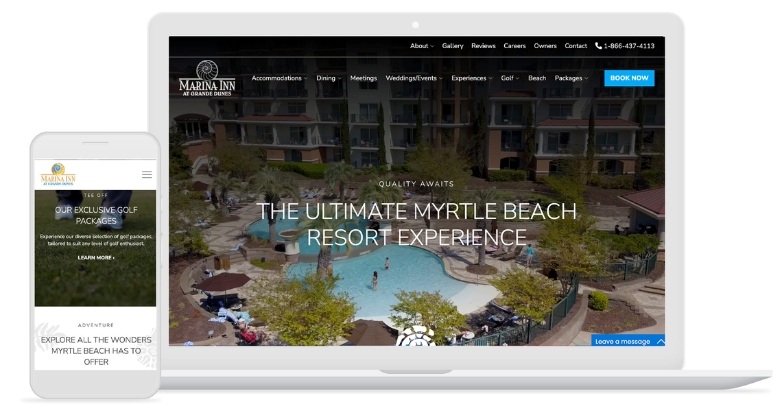
Marina Inn at Grande Dunes partnered with Mediaboom to enhance their digital presence and drive direct bookings.
By focusing on a sleek, mobile-optimized website design, integrated booking systems, and targeted local SEO strategies, they significantly increased their online visibility.
The website redesign included high-quality visuals and seamless navigation, which resulted in higher engagement rates and conversions.
Additionally, through localized SEO efforts and Google Business Profile optimization, the hotel saw a noticeable increase in organic traffic, ultimately reducing its dependence on OTAs.
Musha Cay
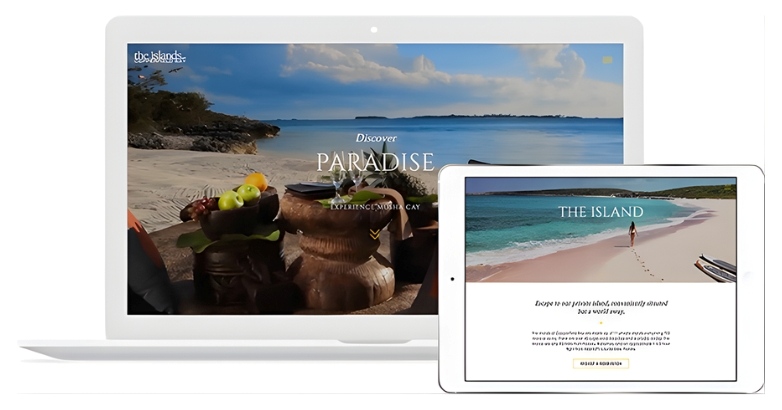
Musha Cay, an exclusive luxury island resort, worked with Mediaboom to develop a customized online marketing strategy. Their goals included boosting brand awareness and driving direct bookings.
Through targeted content marketing, SEO optimization, and a refined booking process on their website, Musha Cay saw an increase in both traffic and guest engagement.
By focusing on user experience and strategic content, such as showcasing unique island experiences, the resort improved its online presence and reduced reliance on OTAs.
FAQs
Hotels can boost visibility organically by optimizing their website for search engines, implementing local SEO, creating valuable content, and leveraging user-generated content. Maintaining an accurate Google Business Profile and encouraging positive reviews also enhances visibility without extra ad spend.
Digital marketing for hotels involves building a mobile-friendly website, optimizing for SEO, creating engaging content, using social media, running targeted paid campaigns, and implementing email marketing. Analytics tools help track performance and improve campaign effectiveness.
Online hotel advertising includes paid search (Google Ads), social media ads (Facebook, Instagram, TikTok), retargeting campaigns for abandoned bookings, and listing in online directories or OTAs. AI-powered tools can optimize ad placement and maximize ROI.
Common mistakes include slow load times, poor mobile optimization, low-quality visuals, and confusing booking processes. Clear calls-to-action and an intuitive, fast website are essential for converting visitors into guests.
The main types relevant to hotels are:
1. Search Engine Marketing (SEM & SEO)
2. Social Media Marketing
3. Content Marketing (blogs, guides, videos)
4. Email Marketing (personalized campaigns and promotions)
The 7 C’s framework includes:
1. Content – Relevant and engaging information
2. Context – Marketing aligned with audience needs
3. Community – Building engagement and loyalty
4. Customization – Personalized offers and messaging
5. Communication – Clear, consistent messaging
6. Connection – Optimized user experience
7. Commerce – Easy bookings and transactions
Local reviews boost credibility and search rankings. Positive reviews attract organic traffic, while responding promptly to all reviews demonstrates excellent service and strengthens reputation.
Social media builds brand awareness, engages potential guests, and showcases your hotel’s offerings. Sharing visuals, guest experiences, behind-the-scenes content, and promotions influences booking decisions.
Tracking tools like Google Analytics, Hotjar, and booking engine reports help monitor traffic sources, bounce rates, and conversions. These insights enable data-driven optimization and improved marketing ROI.
Elevate Your Hospitality Brand Today
Schedule Your Free Consultation
Seeking to elevate your business? Let Mediaboom guide you. Secure your exclusive, free consultation with our digital marketing experts today.
Conclusion
In conclusion, a holistic approach to online marketing hotel is crucial for the long-term success of hospitality.
By combining strategies such as building a high-converting website, investing in local SEO, engaging in social media, and leveraging email marketing, hotels can significantly increase their direct bookings and reduce reliance on third-party platforms. A comprehensive strategy helps boost visibility, ensuring that your hotel stands out in an increasingly competitive market.
To start driving more bookings and elevating your hotel’s online presence, contact Mediaboom today for a personalized marketing plan tailored to your unique needs. Let’s work together to take your hotel to the next level.
By: Frank DePino
Frank DePino is the Principal and Founder of Mediaboom, a top hotel marketing agency partnering with leading hotel and hospitality brands. With 30+ years of experience, he has led strategic digital initiatives for names including Four Seasons, Ritz-Carlton, JW Marriott, Millennium Partners, and Guardian Jet. Frank helps hospitality businesses strengthen brand presence, drive qualified leads, and elevate guest experiences through website design, SEO, content marketing, and paid media. Under his leadership, Mediaboom is a trusted partner for brands pursuing measurable digital growth in a competitive hospitality landscape.

READY TO IGNITE YOUR MARKETING STRATEGY?


