
Digital Marketing for Travel Industry – 8 Strategies for Success

By: Frank DePino | August 8, 2025


In an industry as dynamic and competitive as travel, standing out online is crucial, especially when working with a hotel marketing agency that understands how to elevate visibility and drive direct bookings. According to the Trends Global Survey, 80% of global travelers surveyed feel it’s important to be able to book their trips entirely online, highlighting the vital role of digital marketing for travel industry success.
This makes a well-crafted digital marketing strategy for travel agency or tour operator the game-changer that can elevate your visibility and directly connect you with travelers looking for their next experience.
Digital marketing for the travel industry uses search, social, email, and websites to reach travelers as they research and book trips, with insights from a hotel marketing agency helping tailor these channels for maximum impact. It increases visibility, drives direct bookings, and builds trust through targeted content, ads, and measurable campaigns.
Ready to make 2025 your best year yet in the travel industry?
Let’s dive deeper into our 8 proven strategies that will elevate your travel business.
Download Our FREE E-Book
Outrank OTAs & Drive Direct Bookings With our SEO Blueprint
Learn the secrets to driving more traffic to your hotel website, generating more leads, and ultimately increasing sales.
The 8 Best Digital Marketing Strategies for the Travel Industry
Whether you’re a seasoned pro or just starting out, these 8 tips will help you attract more travelers, boost engagement, and grow your brand.
1. Website Development
Your website is the cornerstone of digital marketing for travel and tourism, forming the first impression that influences every step of the traveler’s journey.
A well-designed website not only attracts potential travelers but also converts them into loyal customers, enhancing your brand’s reputation and boosting bookings.
Actionable Tips:
- User-Friendly Design: Make sure your website is easy to navigate with clear menus and quick access to important information. For example, Airbnb’s website uses a simple design that guides users effortlessly to find and book accommodations.
- High-Quality Visuals: Use high-resolution images and videos to showcase destinations. Visual content can significantly enhance user engagement. National Geographic’s travel site effectively uses stunning visuals to capture the essence of various locations.
- Clear Calls-to-Action (CTAs): Use compelling CTAs such as “Book Now,” “Explore Our Destinations,” or “Contact Us for More Info” to guide visitors toward making a booking. Ensure CTAs are visually distinct and prominent.
- Booking System Integration: Integrate a seamless and secure booking system with real-time availability and multiple payment options. Booking.com provides a great example of an efficient booking system.
- Testimonials and Reviews: Showcase customer testimonials and reviews to build trust and credibility. Highlight positive experiences and encourage customers to leave feedback. TripAdvisor is known for its extensive user-generated reviews, which greatly influence traveler decisions.
By implementing these tips, your website can effectively attract and convert visitors, driving success for your travel business.
Website Development Success Story: Musha Cay
Mediaboom crafted a captivating website for Musha Cay, elevating its allure as a luxurious Caribbean retreat. We combined artistic design, bespoke animations, and SEO to immerse visitors in the island’s magic. Our dedication transformed Musha Cay into not just a destination, but an ethereal experience, drawing praise for its exceptional presentation.

2. Search Engine Optimization
Search engine optimization (SEO) is crucial for digital marketing in the tourism industry, and partnering with a hotel marketing agency ensures your SEO efforts are optimized to capture high-intent traveler searches.
Effective SEO strategies drive organic traffic, increasing your visibility and credibility. Partner with SEO experts to stay ahead in the competitive travel market and ensure your website reaches its full potential.
Actionable Tips:
- Identify and use relevant keywords. Tools like Google Keyword Planner and SEMrush can help you find the best keywords to target.
- Local SEO: Optimize your site for local search to attract nearby travelers. Include your business address, local landmarks, and region-specific keywords. Ensure your Google Business Profile is up-to-date.
- On-Page SEO: Optimize your title tags, meta descriptions, headers, and images with relevant keywords. Ensure your URLs are clean and descriptive.
- Site Speed: Improve your website’s loading speed by compressing images, and leveraging browser caching. Fast-loading pages are crucial for retaining visitors and improving search rankings.
- Mobile Optimization: Ensure your site is mobile-friendly since many users search for travel information on their phones.
- Backlink Strategy: Build a strong backlink profile by earning links from reputable travel blogs, news sites, and industry publications. Backlinks from high-authority sites like National Geographic or Travel + Leisure can significantly boost your SEO.
- Technical SEO: Regularly audit your website for technical issues such as broken links, duplicate content, and crawl errors.
SEO Success Story: Aspen Luxury Concierge
By implementing a comprehensive SEO strategy, we helped Aspen Luxury Concierge, a high-end travel service, achieve a remarkable 9,530% increase in organic traffic. This growth was driven by targeted keyword research, local SEO optimization, and enhancing mobile-friendliness.
3. Content Marketing
Content marketing is a cornerstone of digital marketing for tour operators and travel businesses looking to inspire wanderlust and bookings.
It’s all about creating engaging content that captures the hearts and minds of potential travelers, transforming them into loyal customers.
Here’s how to take your content marketing strategy from “meh” to “magnificent”:
- Go beyond the brochure: Ditch the dry destination descriptions. Instead, weave captivating stories that paint a picture of unforgettable experiences.
- Experiment different content formats. Spark inspiration with stunning travel videos, educate with informative destination guides, and keep wanderlust alive with engaging blog posts.
- Become a travel guru. Share valuable travel tips and insights that position you as a trusted authority. This could include insider packing hacks, budgeting advice for specific destinations, or hidden gem recommendations.
- Leverage the power of storytelling: People connect with stories. Share travel narratives from satisfied customers, showcase the human side of your destinations.
Elevate Your Hospitality Brand Today
Schedule Your Free Consultation
Seeking to elevate your business? Let Mediaboom guide you. Secure your exclusive, free consultation with our digital marketing experts today.
4. Email Marketing
Email marketing is a vital component of digital marketing for travel businesses, enabling one-to-one engagement with your audience.
Leveraging an email marketing service allows you to craft personalized emails that captivate potential travelers, keeping your audience informed about exclusive promotions, new destinations, and valuable travel tips.
Use segmentation to target specific customer groups with tailored content. Incorporate compelling visuals and clear calls-to-action to drive conversions. Regular newsletters can build a loyal subscriber base and keep your brand top-of-mind.
By tracking performance metrics, you can refine your strategy to improve open rates and click-through rates, ultimately increasing bookings and enhancing customer loyalty.
5. Paid Advertising
Paid advertising is essential in digital marketing for the travel industry. Use platforms like Google Ads, Facebook, and Instagram to target your ideal audience with precision.
Consider paid advertising as the express lane on the customer acquisition highway. It allows you to present your travel offerings to specific demographics and drive relevant traffic to your website.
Actionable Tips:
- Target Specific Demographics: Use the detailed targeting options on platforms like Facebook and Instagram to reach specific demographics.
- Leverage Google Ads: Use Google Ads to target adventure-seeking millennials by focusing on keywords related to adventure travel.
- Use Retargeting Campaigns: Implement retargeting campaigns to reach visitors who have shown interest in your offerings but haven’t booked yet.
- Highlight Unique Selling Points: Use paid ads to highlight what makes your travel offerings unique. For instance, if you offer eco-friendly travel packages, emphasize this in your ads to attract environmentally-conscious travelers.
- Seasonal Promotions: Run seasonal ad campaigns to take advantage of peak travel times. Promote special deals and discounts during holidays or vacation seasons to increase bookings.
Paid Advertising Success Story: Villa Le Castel
To elevate Villa Le Castel’s visibility among luxury travelers, we launched a targeted paid search campaign. Precise keyword research and compelling ad copy highlighted the villa’s appeal. An optimized landing page showcased its amenities with clear calls-to-action. This strategy significantly boosted direct inquiries and bookings.

6. Social Media Marketing
Social media marketing is a game-changer in digital marketing for the travel industry, and a hotel marketing agency can craft targeted campaigns that amplify engagement and drive direct bookings.
Platforms like Instagram, Facebook, and Twitter allow you to showcase stunning visuals, share user-generated content, and engage directly with potential travelers. Utilize targeted ads, captivating stories, and interactive posts to build a loyal following.
By leveraging social media, you can boost brand awareness, drive traffic to your website, and create a vibrant community around your travel brand. Stay active and responsive to maximize your reach and impact.
7. Video Marketing
Video content marketing is a powerful tool in digital marketing for the travel industry.
Create captivating videos that showcase destinations, highlight travel experiences, and feature customer testimonials. Use platforms like YouTube and social media to reach a broader audience. Engaging videos can inspire potential travelers, driving traffic to your website and increasing bookings. Incorporate SEO strategies by using relevant keywords and tags to enhance visibility.
High-quality video content not only boosts engagement but also builds trust and authenticity, making your travel brand stand out in a competitive market.
Download Our FREE E-Book
Outrank OTAs & Drive Direct Bookings With our SEO Blueprint
Learn the secrets to driving more traffic to your hotel website, generating more leads, and ultimately increasing sales.
8. Influencer Marketing
Influencer marketing capitalizes on the power of digital word-of-mouth. By collaborating with social media influencers, you can:
- Reach a larger audience
- Gain credible endorsements
- Have popular travel enthusiasts share their positive experiences with your brand to their large following of engaged fans
Whether it’s a YouTube vlog featuring your adventure tour or an Instagram post of an influencer lounging in your beach resort, influencer marketing can boost your brand visibility and credibility in the travel market.
Targeting Tactics
In the competitive hospitality landscape, local SEO is a secret weapon within digital marketing for travel industry professionals, helping hotels stand out in search results and connect directly with travelers ready to book. While global visibility matters, being the top choice in your local area is what drives real bookings and builds long-term loyalty.
Local SEO empowers your hotel to appear in “near me” searches, Google Maps listings, and localized search queries, making you visible when it matters most: during the traveler’s decision-making phase.
Here’s how to precisely target your ideal guests through local SEO:
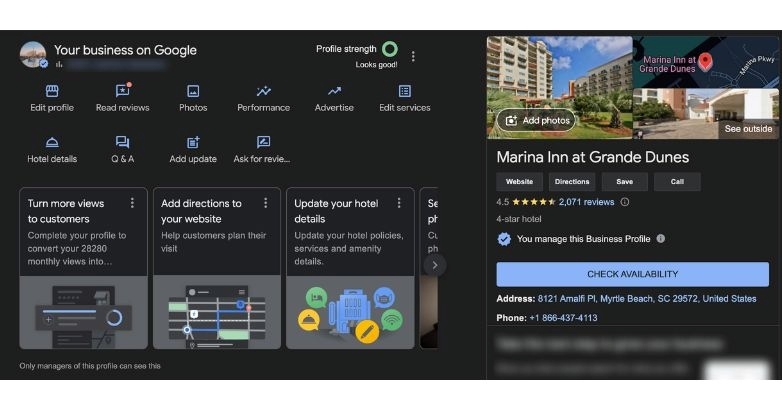
Optimize Your Google Business Profile
Your Google Business Profile (GBP) is often the first impression travelers will see. Ensure it’s fully optimized with updated photos, accurate contact details, amenities, and booking links. Encourage guests to leave reviews, and respond promptly to all feedback.
Leverage Local Keywords
Use region-specific keywords such as “luxury hotel in Miami Beach” or “boutique stay in Napa Valley.” Include these naturally across your website’s meta titles, descriptions, headings, and content. This strengthens your relevance for location-based searches.
Create Localized Content
Craft blog posts and landing pages tailored to your location. Topics like “Top 10 Attractions Near [Your Hotel]” or “Best Restaurants in [City]” position your hotel as a local authority and drive organic traffic.
List Your Hotel in Local Directories
Submit your hotel to reputable travel and local directories like TripAdvisor, Yelp, and regional tourism boards. Ensure all listings are consistent with your GBP to boost your credibility with search engines.
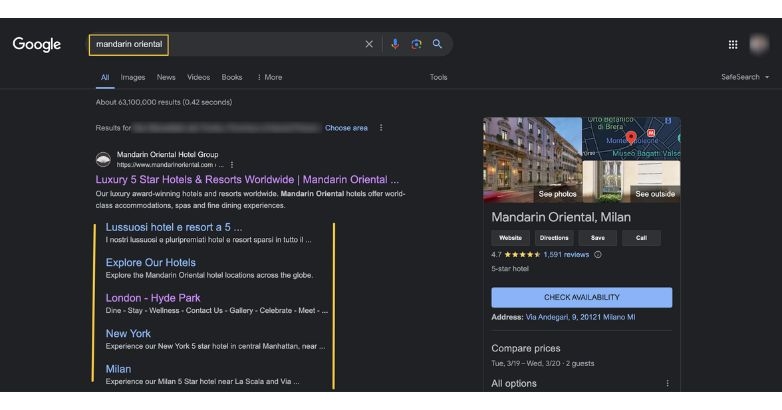
Use Schema Markup for Local Businesses
Implement local business schema on your website. This structured data helps search engines better understand your hotel’s location, services, and offerings—often resulting in enhanced search listings (rich snippets).
Geo-Targeted Paid Campaigns
Pair your local SEO efforts with geo-targeted Google Ads and social media campaigns. These ads should highlight unique selling points and include location-specific language to resonate with travelers searching nearby.
Local Link Building
Partner with local businesses, travel blogs, and event organizers to earn backlinks. Local links not only drive traffic but also enhance your domain authority and search rankings.
By refining your local SEO tactics, your hotel can attract more qualified leads, reduce reliance on OTAs, and drive direct bookings. Local targeting isn’t just a tactic—it’s a strategic advantage that ensures your hotel stays booked and competitive.
Elevate Your Hospitality Brand Today
Schedule Your Free Consultation
Seeking to elevate your business? Let Mediaboom guide you. Secure your exclusive, free consultation with our digital marketing experts today.
Informed Decision Making using Monitoring and Analyzing Data
Monitoring and analyzing data helps you make informed decisions, optimize strategies, and understand your audience better. Let’s see how data-driven insights can transform your digital marketing for travel industry efforts, keeping you ahead in the competitive travel landscape.
Website Traffic
Understanding your website traffic is crucial for informed decision-making in digital marketing for the travel industry.
Use tools like Google Analytics to track visitor behavior, identify popular pages, and monitor traffic sources. Analyzing this data helps you understand what attracts and retains visitors, allowing you to refine your content and marketing strategies.
Engagement Metrics
Building strong relationships with potential travelers is the heart of success in the travel industry. Tracking engagement metrics across social media and email marketing allows you to see exactly how your audience interacts with your content.
Likes, shares, comments, opens, clicks, and conversions:
These are the data points that unlock valuable insights into what resonates with your audience. By analyzing these metrics, you can refine your campaigns for maximum impact.
The key is tailoring your approach based on what truly captivates your audience.
This allows you to spark deeper connections, ultimately driving better results for your travel business.
Brand Awareness
In today’s competitive travel market, staying top-of-mind with potential customers is crucial. Here’s how tracking brand awareness metrics empowers your success.
Online reviews and ratings are your window into public perception.
They reveal areas for improvement and highlight what resonates with travelers. Social media mentions, shares, and hashtag usage paint a clear picture of your brand’s reach and influence.
Positive reviews and high engagement are hallmarks of a strong brand presence.
Analyze these metrics to refine your marketing strategies and ensure your travel brand stays at the forefront for potential customers.
Remember, a well-recognized brand fosters trust, loyalty, and ultimately, more bookings.
Lead Generation
In the travel industry, a steady stream of qualified leads is the fuel that propels your business forward. By analyzing data, you can identify which marketing strategies are most effective at attracting potential customers and turning them into valuable leads.
Here’s where the magic happens: captivating content that sparks interest and targeted campaigns reaching the right audience. Craft these elements strategically, with calls to action tailored to different user segments, to capture their attention and encourage them to take the next step.
Don’t let those leads gather dust! Implement personalized follow-up strategies that provide relevant information and keep your travel offerings top-of-mind.
By optimizing your lead generation tactics, you can cultivate a robust pipeline of engaged potential travelers, ultimately boosting your booking rates and driving business success.

Booking Conversions
Tracking booking conversions is like having a secret superpower in the travel business.
By analyzing user behavior data, you can gain valuable insights into the user journey, pinpointing where visitors convert into customers and identify any roadblocks hindering conversions and ultimately, bookings.
Transform insights into action with clear calls to action (CTAs) that compel visitors to book.
Craft irresistible offers that highlight the value of your travel experiences. By focusing on what drives conversions, you can significantly increase bookings and ensure a smooth customer journey.
Search Engine Ranking
Monitoring your search engine ranking and keyword positions is essential for optimizing digital marketing for the travel industry.
Use tools like Google Analytics and SEMrush to track your rankings for relevant keywords. Analyze which keywords drive the most traffic and conversions, and identify areas for improvement.
Staying on top of your search engine rankings ensures your travel brand remains competitive and easily discoverable online.
Return on Investment (ROI)
Measuring Return on Investment (ROI) is crucial for evaluating the effectiveness of your digital marketing strategies.
Track key metrics such as conversion rates, customer acquisition costs, and overall revenue generated from marketing campaigns. Analyze data from various channels, including social media, email, and paid advertising, to determine which efforts yield the highest returns.
By continuously monitoring and adjusting your strategies based on ROI insights, you can optimize your marketing budget, improve campaign performance, and ensure your travel business achieves maximum profitability.
This proactive approach helps you stay competitive and make informed decisions for sustained growth.
Customer Acquisition Cost (CAC)
Understanding Customer Acquisition Cost (CAC) is vital for optimizing your marketing budget in the travel industry. Calculate CAC by dividing your total marketing expenses by the number of new customers acquired.
Regularly monitor this metric to identify cost-effective strategies and eliminate underperforming ones. Analyzing CAC helps you allocate resources more efficiently, ensuring you attract quality leads without overspending.
By keeping CAC in check, you can maximize profitability and achieve sustainable growth for your travel business, turning marketing investments into tangible results.
Target Audience for Travel Industry
Understanding your target audience is key to crafting effective marketing strategies in the travel industry. Different segments have unique needs and preferences, and tailoring your approach to each can significantly boost engagement and conversions.
Let’s explore the primary segments.
Family Traveler
Family travelers seek convenience, safety, and memorable experiences for all ages.
Highlight family-friendly destinations, accommodations with amenities like kid’s clubs and babysitting services, and activities that cater to both children and adults. Emphasize value packages that include meals and entertainment.
By addressing the specific needs of families, you can create compelling offers that ensure a stress-free and enjoyable vacation for everyone.

Solo Traveler
Solo travelers look for flexibility, safety, and opportunities for personal growth.
Showcase destinations known for their solo-friendly environments, offer tips for solo travel, and highlight unique experiences such as guided tours and cultural immersions.
Providing resources on local safety, solo travel communities, and customizable itineraries can make your offerings more attractive to this independent and adventurous segment.
Luxury Traveler
Luxury travelers desire exclusivity, comfort, and personalized experiences.
Promote high-end accommodations, bespoke tours, and premium services such as private jets and concierge services. Highlight exclusive destinations, fine dining, and unique experiences that offer privacy and indulgence.
Tailor your messaging to emphasize the exceptional quality and attention to detail that luxury travelers expect, ensuring they see your offerings as the ultimate in sophistication and relaxation.

Adventure Traveler
Adventure travelers seek excitement, challenges, and unique experiences.
Focus on destinations that offer activities such as hiking, diving, and extreme sports. Highlight package deals that include equipment rentals, guided tours, and safety measures.
Use vivid imagery and engaging content to showcase the thrills and adventures that await, appealing to their desire for exploration and adrenaline-packed journeys.
Make it clear that your offerings provide both adventure and safety, ensuring unforgettable experiences.
Case Studies: Hotel Clients Elevated Through Local SEO & Digital Marketing
In the hotel industry, local SEO and digital marketing for travel industry strategies don’t just boost visibility, they drive real bookings. These two Mediaboom client success stories show how tailored execution delivers measurable results.
Seven on Shelter Island
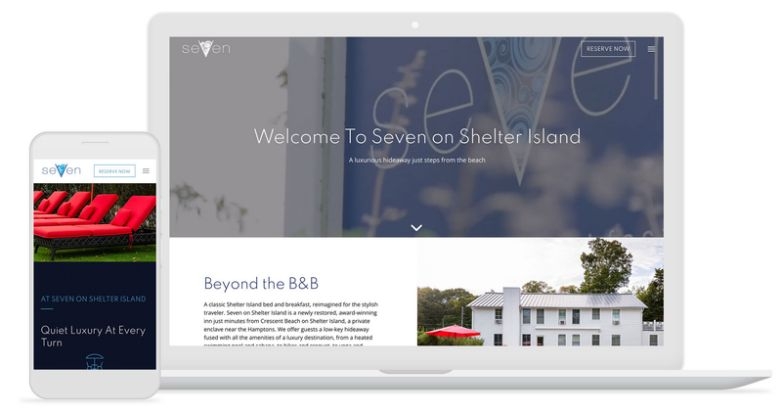
For Seven on Shelter Island, a boutique luxury property in New York, Mediaboom crafted an immersive website that captured the hotel’s chic, coastal charm. By implementing targeted local SEO tactics—such as geo-specific keywords, optimized metadata, and content aligned with Shelter Island travel searches—we significantly enhanced the property’s local search presence.
The result? A captivating digital experience that attracted high-intent regional travelers and increased direct bookings.
Marina Inn at Grande Dunes
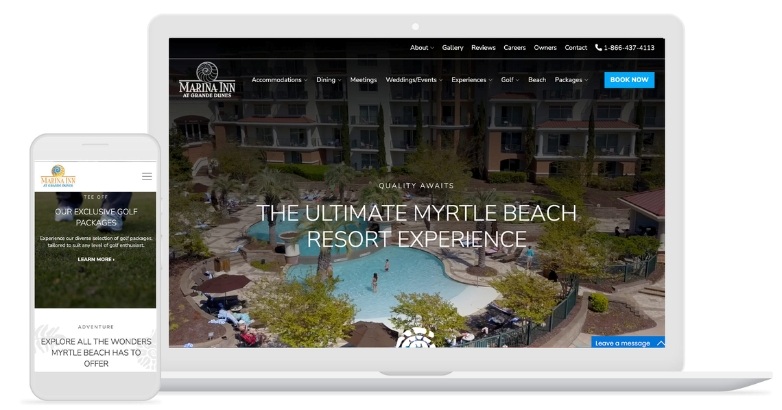
Mediaboom reimagined Marina Inn’s digital identity through a complete website overhaul—from streamlined navigation to SEO-optimized, story-driven content. We restructured the sitemap, introduced a mega-menu, and embedded location-based SEO elements to improve relevance in local search.
The outcome? Higher organic rankings for Myrtle Beach hotel searches and a marked increase in direct bookings from nearby and regional audiences.
FAQs about Digital Marketing for Travel Industry
Digital marketing helps the tourism industry reach potential travelers through online channels like social media, email, and search engines. It involves promoting destinations, services, and experiences to a global audience, enhancing visibility and engagement.
Market in the travel industry by using a mix of SEO, content marketing, social media, email campaigns, and paid advertising. Focus on showcasing unique experiences, engaging visuals, and customer testimonials to attract and retain travelers.
The best marketing strategy for a travel agency includes leveraging SEO, content marketing, social media engagement, and personalized email campaigns. Highlight unique travel experiences and customer testimonials to build trust and attract clients.
Attract travel customers by creating engaging content, using SEO to improve visibility, leveraging social media platforms, and running targeted ad campaigns. Offer personalized deals and exceptional customer service to build loyalty and drive bookings.
Do you have more questions?
If you have more inquiries about digital marketing for travel industry strategies or need further assistance, feel free to reach out. We’re here to provide the insights and information you need.
Elevate Your Hospitality Brand Today
Schedule Your Free Consultation
Seeking to elevate your business? Let Mediaboom guide you. Secure your exclusive, free consultation with our digital marketing experts today.
Hire a Digital Marketing Agency to Enhance your Travel Business
We’ve uncovered the essential digital marketing for travel industry strategies that drive success, from compelling website design and advanced SEO to targeted social media, content creation, and performance analytics.
By partnering with Mediaboom, you gain a dedicated team that understands the nuances of luxury travel marketing. We craft tailored strategies that attract high-value travelers, increase direct bookings, and elevate your brand’s digital presence.
Let’s transform your travel business into a destination of choice. Ready to stand out? Contact Mediaboom today.
By: Frank DePino
Frank DePino is the Principal and Founder of Mediaboom, a top hotel marketing agency partnering with leading hotel and hospitality brands. With 30+ years of experience, he has led strategic digital initiatives for names including Four Seasons, Ritz-Carlton, JW Marriott, Millennium Partners, and Guardian Jet. Frank helps hospitality businesses strengthen brand presence, drive qualified leads, and elevate guest experiences through website design, SEO, content marketing, and paid media. Under his leadership, Mediaboom is a trusted partner for brands pursuing measurable digital growth in a competitive hospitality landscape.


READY TO IGNITE YOUR MARKETING STRATEGY?


