
Hotel Marketing Ideas – 17 Strategies for Hotel Success

By: Frank DePino | December 27, 2025


Loading the Elevenlabs Text to Speech AudioNative Player...
In 2025, the hospitality industry continues to operate in a fast‑moving environment where innovation and adaptability drive results, and many properties work with a hotel marketing agency to stay competitive. Global hotel revenue is expected to exceed $777.25 billion, and occupancy rates are nearing pre‑pandemic benchmarks, intensifying competition for guest attention, loyalty, and direct bookings.
Digital marketing remains a core growth driver, with mobile now accounting for over 60% of direct hotel bookings. Early 2025 data shows continued year‑over‑year growth in mobile reservations, reinforcing the need for fast, mobile‑first websites, streamlined booking engines, and frictionless user experiences.
Artificial intelligence is reshaping how hotels attract, convert, and retain guests. Over 85% of hotels now use AI‑powered tools for pricing optimization, guest messaging, or personalization. From demand forecasting to tailored pre‑arrival offers, AI helps hotels act on intent faster and with greater accuracy.
To stay competitive, hotels must align with these shifts and apply proven, modern marketing tactics with support from a hotel marketing agency. Below is a snapshot of 17 hotel marketing ideas influencing performance in 2025:
- One-Page Marketing Roadmap
- Owning the Booking Window with SEO & Metasearch
- Cart-Abandonment Recovery
- Purpose-Driven Guest Segmentation
- Story-Led Positioning
- Pro-Grade Visual Assets
- Weekly Short-Form Video
- Guest-Generated Social Proof
- Local Partnership Packages
- Direct-Booking Member Perks
- Personal Review Responses
- AR/VR Room Walkthroughs
- Demand-Based Pricing
- AI & Automation in Hotel Marketing
- Short‑Form Video & Social Commerce
- Review & Reputation Management Tools
- Sustainable & Experience Marketing
Read on to discover practical hotel marketing ideas and explore how digital innovations can transform your hospitality business for success in 2025.
Download Our FREE Guide
Outrank OTAs & Drive Direct Bookings With Our Hospitality Digital Marketing Guide
Learn how leading hotels increase website traffic, reduce OTA commissions, and convert more guests with targeted digital marketing strategies.
1. One-Page Marketing Roadmap
Long slide decks gather dust. 78% of companies that report strong content results keep a written plan, and teams that document their calendar are 331% more likely to hit their targets. Condensing that plan to a single sheet lets everyone from GM to night auditor see the mission at a glance.
- Headline goal & key numbers – Post one north-star metric (say RevPAR +8%) and the three lead indicators that move it.
- Persona snapshots – A photo, nickname, trip purpose, and preferred channel for each core segment keeps messaging on-point.
- Channel stack – Show “always-on” pillars (SEO, metasearch, email) in one column and campaign bursts (paid social, display) in another so spend choices are obvious.
- 90-day sprint grid – Calendar blocks link tasks, budget, and owner for the next quarter; colour-coding highlights cross-team dependencies.
- Rhythm of review – Weekly dashboards and a quick retrospective every month keep the sheet alive rather than ornamental.
2. Owning the Booking Window with SEO & Metasearch
The typical leisure guest locks plans about 45 days in advance. To stay in their line of sight:
- Fast, structured pages – Sites that exceed three-second load times lose 53% of mobile visitors immediately. Compress images, defer heavy scripts, and add hotel-schema markup so crawlers see rates and availability first.
- Intent clusters – Publish location guides, event round-ups, and “near me” FAQs to answer long-tail queries and build topical authority.
- Google Business Profile hygiene – Fresh photos plus prompt Q&A replies lift both Local Pack ranking and Hotel Ads quality score.
- Smart metasearch bidding – Metasearch now delivers 12% of global hotel bookings, with Google Hotel Ads supplying 65% of that slice. Start on a cost-per-acquisition model to cap risk, then switch to CPC when conversion data is solid; metasearch traffic converts at 4.5%—the best of any channel.
- Daily parity watch – Close inventory or tweak price the moment an OTA undercuts you to protect click-through.
Treat organic results and rate panels as one battlefield and those 45 days become yours to command.
3. Cart-Abandonment Recovery
Hotel booking engines leak revenue fast. Yet targeted nudges work, recovery emails regain 10-20% of lost reservations and land a 45% open rate.
- Exit-intent perk – Detect cursor flight or back-button taps and surface a gentle banner offering free parking or a late checkout.
- One-hour reminder email – Show the exact room, dates, and rate with a prominent “Resume booking” button before the trip slips from mind.
- Two-hour SMS – For mobile abandoners, a concise text keeps momentum alive while the guest is still near their phone.
- Live-chat rescue – Hotels using HiJiffy’s AI chat recover up to 20% more abandoned bookings by offering instant answers when guests stall at checkout.
- Frequency-capped retargeting ads – Mirror the itinerary across display and social, but stop after a sensible number of impressions to avoid irritation.
Treat each unfinished cart as a near-guest, not a stranger, and turn lost intent into confirmed stays.

4. Purpose-Driven Guest Segmentation
Segmenting your audience by why they travel—not just who they are—unlocks targeted offers and messaging that resonate. With 72% of travelers expecting personalization and wellness enthusiasts making up 92% of wellness tourism trips and spending, it’s clear: relevance matters. Even bleisure mixing business with leisure accounts for 7% of all business trips, showing another clear purpose cohort to address.
- Occasion capture at checkout: Ask “What brings you here?” in a dropdown or optional text field.
- Dynamic web modules: Swap homepage banners or promos based on declared purpose—family fun, spa retreat, or bleisure adventure.
- Persona-aligned packages: Bundle museum passes for culture seekers, bike rentals for active travelers, or co-working perks for bleisure guests.
- Segment-level dashboards: Track ADR, length of stay, and ancillary spend by each purpose group to highlight which needs more focus.
- Feedback loop: Post-stay surveys ask if expectations were met for their trip type, guiding future tweaks to offers and amenities.
Purpose-driven segmentation drives loyalty and can lift revenue by 3 – 6% annually for brands that nail one-to-one relevance.
5. Story-Led Positioning
Stories stick in the mind far longer than bullet-point features. In fact, 75% of customers say brands should weave narratives into their marketing, and people are 22× more likely to remember a fact when it’s wrapped in a story. Story-driven hotel marketing campaigns can even boost conversions by 30%.
- Find your defining scene. Zero in on one vivid moment—sunrise on your rooftop, the first pastry out of your bakery, or a pet-friendly welcome.
- Craft a memorable tagline. “First Light, Fresh Bites” or “Wake Up to Wonder” instantly conveys your unique narrative.
- Embed the tale across touchpoints. Feature the scene in your website hero, confirmation emails, lobby signage, and even your Spotify playlist intros.
- Invite guest participation. Offer a simple Reel template or lobby postcard prompting visitors to “Share your first-morning moment” with your hashtag.
- Measure engagement. Track click-throughs, shares, and time-on-page on story-led content versus standard ads to fine-tune the scenes your audience loves.
A cohesive story elevates your positioning beyond amenities, turning guests into advocates who remember and recommend you.
Elevate Your Hospitality Brand Today
Schedule Your Free Consultation
Seeking to elevate your business? Let Mediaboom guide you. Secure your exclusive, free consultation with our digital marketing experts today.
6. Pro-Grade Visual Assets
Online, first impressions hinge on image quality. TripAdvisor data shows that properties with at least one photo see 138% more page engagement and 225% higher likelihood of booking inquiries, while those featuring 100 + photos enjoy 151% more engagement and 238% more inquiries. One academic study even recorded a 225% lift in bookings from just a single high-quality image placed online.
- Hero shots: Use natural light and real guests; refresh these twice a year or after major design tweaks.
- B-roll loops: Capture slow pans of lobby activity, chef plating, and aerial exteriors—enough footage for quarterly social posts.
- 360° room views: Embed interactive tours above the “Select room” button so visitors move seamlessly from preview to purchase.
- Short-form clips: Film 6–12-second vertical snippets for TikTok/Reels—batch-shoot monthly, drop weekly with captions and a clear CTA.
Production best practices:
- Hire specialists in hospitality or real-estate photography to nail interiors.
- Frame every shot with negative space for text overlays and capture both landscape and portrait in each take.
- Shoot during golden hour to minimize retouching and imbue spaces with a warm glow.
- Maintain a living asset library—organize raw and edited files by date, room type, and usage rights to avoid stale content.
With visuals that match or outperform the guest experience, your channels become 24/7 silent salespeople.
7. Weekly Short-Form Video
A steady drip of 15- to 30-second clips keeps your property in the social feed while travellers are still choosing where to stay. Short-form is more than a trend; it now delivers the strongest return of any video type, and 83% of video marketers already rely on it for both leads and reach. Boutique hotels using TikTok and Reels like The Morrow Hotel in DC have reported over 100,000 organic views per post, highlighting the impact of raw, mobile-first content with trending audio.
Why weekly works
- Algorithms reward consistency; a minimum of one reel or TikTok each week signals that your account is active.
- Fresh footage lets you tap into trending audio before it’s stale.
- Regular cadence gives you enough data to spot which themes (rooms, staff, local tips) outperform.
8. Guest-Generated Social Proof
Travellers trust travellers, not slogans, and a hotel marketing agency can help you leverage authentic guest content to influence the 86% of people who decide where to go based on user‑generated content they’ve seen., and 92% trust word-of-mouth posts more than traditional ads. Even better, visitors who interact with guest photos or videos on a site convert at double the usual rate (103.9% lift).
Put UGC to work in three steps
- Collect
- Place an opt-in hashtag on the in-room welcome card (“#StayAtTheX”).
- Run a monthly draw for a free night as a thank-you for tagged posts.
- Curate
- Use a rights-management tool to secure permission, then store approved images in a shared drive sorted by location or activity.
- Select authentic, unfiltered shots; perfection looks like advertising, not proof.
- Display
- Embed a gallery beside each room type in the booking engine.
- Rotate top guest posts into a homepage carousel and weekly story highlights.
- Quote review snippets (“Best mattress ever!”) directly under the “Book now” button to catch hesitant shoppers.
Keep the loop turning
A quick comment or re-share tells guests their content matters—building goodwill and encouraging the next wave of posts. Track which UGC pieces drive the most clicks or conversions; when a theme spikes (say, balcony sunrise shots), brief the in-house team to capture supporting video or promotions around that moment. Social proof then shifts from a one-off tactic to a self-sustaining booking engine powered by real visitors.
9. Local Partnership Packages
Travellers aren’t only shopping for a bed; they want a story they can tell when they return home. A GetYourGuide survey found that 90% of travellers place “living like a local” at the top of their trip priorities, while 79% of Gen-Z and Millennial guests actively seek deep cultural immersion. Bundling hand-picked neighbourhood experiences with the room rate lets you capture that demand—and keep the spend on-property rather than watching it drift to third-party tour sites.
How to build packages that sell
- Map the guest journey. Identify the hours your visitors usually leave the hotel (e.g., late morning for sightseeing, early evening for dining). Slot partner offers into those windows so the add-on feels natural, not forced.
- Start with three categories: a food-related experience (such as a chef’s tasting menu), an outdoor or wellness activity (guided bike loop, spa voucher), and a culture fix (gallery pass, craft workshop). That trio covers most motivations without overcomplicating operations.
- Set clear value for all sides. Agree on a revenue split or reciprocal promotion—your partner’s logo in the pre-arrival email, their staff handing out your breakfast coupons. The deal must feel fair, or the enthusiasm fades fast.
- Ticket it like an airline ancillaries menu. In the booking engine, list each add-on with a brief headline, one standout photo, and a fixed price; avoid lengthy descriptions that stall checkout.
- Track uptake in your PMS. Tag reservations that include a package so front-desk teams mention it at check-in and you can later compare ADR and guest-satisfaction scores against non-package stays.
When executed thoughtfully, local bundles turn your hotel into the gateway to the neighbourhood—meeting today’s craving for authenticity and adding high-margin revenue at the same time.
10. Direct-Booking Member Perks
Loyalty isn’t just for the mega-chains. Large brands now draw up to 60% of total revenue from their loyalty members, and industry benchmarks put overall enrolment in travel loyalty schemes between 50% and 70%. Even a boutique property can tap that behaviour by offering instant, visible benefits to guests who book straight from the hotel website.
Blueprint for a high-impact programme
- Visible member-only rate. Display a small strike-through price beside the public rate so visitors instantly grasp the savings. Keep the discount modest (e.g., 5%) to protect ADR while still beating OTA parity.
- Instant gratification, not points in limbo. Offer perks that activate on the very first stay—a complimentary welcome drink, priority room choice, or late checkout. Tangible wins encourage sign-ups without long explanations.
- Tiered surprises. After two or three stays, unlock a bigger privilege such as free parking or lounge access. Clear milestones motivate repeat visits and grow lifetime value.
- Friction-free sign-up. Ask only for name, email, and a password during the booking flow; the rest can be completed post-stay. Long forms are the enemy of conversion.
- Promote relentlessly across channels. Pin a banner on every CRS page, mention the perk briefly in paid-search copy, and train reservation agents to highlight the member rate on phone inquiries. Consistency breeds familiarity.
- Measure what matters. Monitor the share of direct bookings with a member ID, compare cancellation ratios, and track uplift in ancillary spend among members versus walk-ins.
A well-structured, perk-driven club keeps valuable guests coming back, trims OTA commissions, and, as the data shows, can quickly become your most reliable revenue stream.
11. Personal Review Responses
Every public comment is a chance to show that real people stand behind the front desk—and the numbers prove it. More than half of consumers (56%) rethink a booking after reading management replies, and each ignored review lifts churn risk by 15%. Hotels that answer consistently have recorded a 12.6% jump in conversion on OTAs.
Five habits that matter
- Reply inside 24 hours. Speed signals attentiveness and keeps your listing near the top of review feeds.
- Personalise the opening line. Use the guest’s name and reference one specific detail—this shows you read, not skimmed.
- Own the issue, don’t dodge it. A short apology plus one sentence on what will change is enough; avoid canned legal phrasing.
- Invite a return visit. A warm “We’d love to welcome you back after our pool refresh” turns a complaint into future business.
- Log themes for ops meetings. If towel comments spike, housekeeping has an action item by Monday.
When replies read like human conversation rather than boilerplate, review sites reward you with better ranking and travellers reward you with bookings.
Download Our FREE Guide
Outrank OTAs & Drive Direct Bookings With Our Hospitality Digital Marketing Guide
Learn how leading hotels increase website traffic, reduce OTA commissions, and convert more guests with targeted digital marketing strategies.
12. AR/VR Room Walkthroughs
Scrolling past staged photos is easy; stepping into a 360-degree suite from a phone or headset feels real. Google’s data shows that listings with virtual tours draw 87% more views, and an A/B test across 500 hotels found that adding tours lifted booking-engine conversions by 8 – 20%.
Rolling it out
- Start with your top three room types—one standard, one premium, one suite so production costs stay manageable.
- Embed the tour right above “Select room.” Guests should move from virtual door to credit-card field without a new click.
- Tag upsells inside the scene. Hotspots on minibar brands or balcony daybeds invite add-ons before arrival.
- Refresh after each renovation. A faded tour undermines trust faster than no tour at all.
- Track dwell time and look-to-book ratio. Both metrics usually climb once tours go live; if they don’t, revisit lighting or navigation cues.
Beyond leisure guests, VR show-rounds help event planners choose layouts remotely—saving sales teams hours of on-property walkthroughs.
13. Demand-Based Pricing
Static rate grids miss today’s roller-coaster demand curve. One global chain that moved to real-time pricing software reported 15% revenue growth. For most businesses, even modest dynamic systems add 2 – 5% to the top line.
Putting it into practice
- Feed trustworthy data. Load three years of historical pickup, live competitor rates, local event feeds, and weather APIs so the engine sees the full picture.
- Set guardrails. Define a floor (to protect brand perception) and a ceiling (to avoid price-gouge backlash).
- Pilot on shoulder dates first. Weeknights outside peak season give room to test without risking prime revenue.
- Explain the logic to staff. Front-office teams field the “Why did my rate change?” questions—arm them with clear talking points.
- Review dashboards weekly. Look for forecast error, outlier dates, and margin lift; tweak inputs rather than overriding the algorithm.
Used thoughtfully, fluid pricing turns per-night revenue from a guess into a calculated outcome—and frees revenue managers from spreadsheet drudgery to focus on hotel marketing strategy.
14. AI & Automation in Hotel Marketing
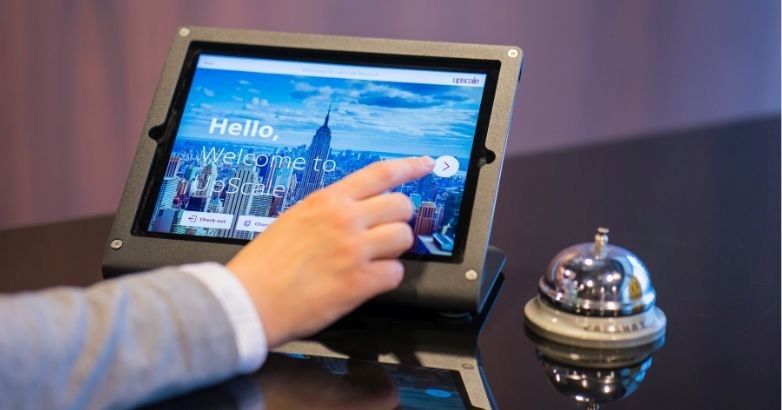
AI is now a key part of hotel marketing operations. In 2025, more than 85% of hotels use AI tools to support pricing, guest messaging, or personalized offers. These tools increase efficiency and make marketing efforts smarter, without adding headcount.
Ways to apply AI in your strategy:
- Chatbots to answer common questions or manage late-night inquiries
- Dynamic pricing engines that adjust rates in real time
- Behavior-based email journeys that react to user actions on your website
- Personalization engines that recommend room types or upsells
Many tools integrate directly with your PMS or booking engine. Start with one—like AI messaging and build from there.
15. Short‑Form Video & Social Commerce
Short‑form content now drives bookings directly, especially through Instagram and TikTok. New social booking tools let you capture interest and convert without ever leaving the app.
Apply this trend by:
- Using “Book Now” stickers in Reels and Stories
- Embedding direct booking links in bio or TikTok Shop
- Showcasing room tours or behind-the-scenes content in raw, vertical formats
- Partnering with creators who stay on pthe roperty and tag you in sponsored stays
82% of hotel marketers say short‑form video delivers the strongest ROI. The key? Stay consistent, and link every video to a clear call to action.
16. Review & Reputation Management Tools
Online reviews are still one of the biggest drivers of conversion and cancellation. The best hotels now use software to monitor, respond, and improve in real time.
How to build your reputation system:
- Set alerts for new reviews across Google, TripAdvisor, and OTA platforms
- Reply to every review within 24 hours to stay active in feeds
- Use tools like TrustYou, Revinate, or GuestRevu to manage feedback at scale
- Track sentiment trends to find operational improvements
- Highlight positive quotes in your booking engine
Each review is a chance to show you listen. Done right, it becomes a competitive edge—especially when guests are comparing you to the hotel next door.
17. Sustainable & Experience Marketing
Modern travelers want to feel good about where they stay. In 2025, 68% of Gen Z and Millennial travelers say sustainability impacts their booking decisions, and more guests now prioritize local experiences over generic luxury.
How to meet that demand:
- Promote eco-certifications, waste reduction efforts, or solar usage
- Offer local tours, food tastings, or workshops as part of the room package
- Tell your sustainability story on-site and online
- Share behind-the-scenes content on how your team reduces waste or supports local communities
These values matter, and they drive results. Properties that promote sustainability clearly see longer stays, stronger reviews, and more social engagement.
Bonus Hotel Marketing Tips to Increase Revenue
Having covered sales and business, let’s now turn our attention to some ideas to increase hotel revenue.
Use Booking Software
Using booking software simplifies the reservation process for your guests, making it quick and hassle-free. Additionally, it collects valuable user data, enabling you to follow up for feedback and encourage repeat visits while saving your staff time.
Foster Direct Reservations
On the other hand, direct bookings offer a unique opportunity to build guest relationships and enhance their experience. By ensuring the process is smooth and engaging, you can upsell additional services and highlight your hotel’s customer care and support in real-time.
Don’t Be Too Flexible with Your Cancellation Policy
Similarly, having a clear cancellation policy helps you manage finances and resources more effectively. Make sure to outline the policy on your website and during direct bookings, including a penalty-free window and fees for late cancellations to minimize potential revenue loss.
Increase the Range of Services Offered
Furthermore, offering additional services like coin lockers, luggage storage, or airport transport increases guest satisfaction and convenience. These extras not only improve the guest experience but also create opportunities for your hotel to boost revenue.

Increase Hotel Sales and Revenue in a Low Season
As mentioned previously, certain times of the year will naturally result in slower business for your hotel. This is completely normal and should be factored into your operations. With that said, there are ways to mitigate these times and generate business.
Again, dynamic pricing is a great way to entice visitors to your hotel during a low season. Promote special pricing through online advertisements, social media, as well as through more traditional advertising avenues.
Also, keep tabs on any local events or gatherings that could be enticing to potential travelers. Consider partnering with the organizers of these events and explore ideas to offer discounted admissions to visitors.
Low seasons cannot be avoided, but they need not be stressors for your hotel. Think holistically about ways in which to drive traffic to your hotel during a low season and increase hotel bookings!
Case Studies
JW Marriott Hotel
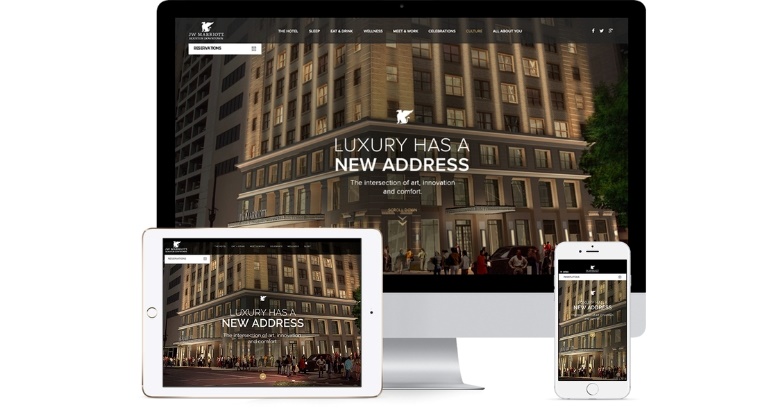
At Mediaboom, we partnered with JW Marriott to develop a luxury hotel web design for their new property in downtown Houston.
Additionally, our collaboration also extended to crafting extensive print advertising for the grand opening.
This approach aimed to introduce the new luxury destination dynamically, blending the historical elegance of the building with modern functionalities.
Our strategy showcased effective hotel marketing ideas, by effectively utilizing both digital and traditional advertising to enhance visibility and guest engagement.
Marina Inn At Grande Dunes
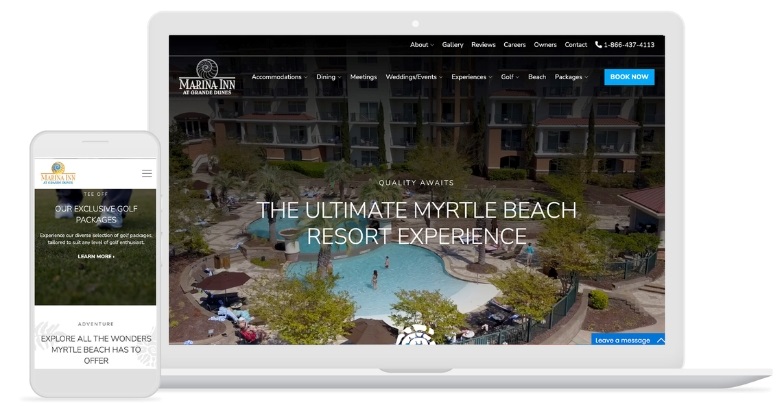
We partnered with Marina Inn at Grande Dunes to craft a sleek, user-friendly website that perfectly reflects the luxury and sophistication of this Myrtle Beach resort.
In addition to the website, we developed a customized digital marketing strategy to showcase the resort’s unique features and drive guest bookings.
This comprehensive approach positioned Marina Inn as a premier destination, combining stunning design with seamless functionality. By employing innovative hotel marketing strategies, the resort’s online presence was elevated to attract and engage both new and returning guests.
WHAT OUR CLIENTS SAY
FAQS
I. What is a hotel marketing plan?
A hotel marketing plan outlines strategies to attract guests, increase bookings, and boost revenue through various channels like social media, SEO, and email marketing.
II. What are the best ways to market hotels?
The best ways to market hotels is through paid ads, SEO, social media posts & reels, online travel agencies (OTAs), meta-search engines, email marketing, loyalty program, guest reviews & reputation care, content marketing, influencer stays, local partnerships, events & small meetings
III. How can a hotel attract more customers?
1. Highlight a clear “reason to stay” (view, history, design, family-friendly vibe, etc.) across every channel.
2. Personalize each stay—pre-arrival surveys, room preferences, and small welcome touches go a long way.
3. Offer flexible check-in and check-out when occupancy permits; travelers remember that kindness.
4. Bundle experiences (city tours, spa credits, cooking classes) so guests see added value, not just a room rate.
5. Keep live chat or quick-reply messaging active; instant answers convert browsers into bookers.
6. Post sharp photos and short VR or 360° room tours so shoppers can picture themselves on-site.
7. Price rooms dynamically but transparently; pair discounts with upsells such as breakfast or late checkout.
8. Maintain spotless common areas and prompt service—the in-house experience drives repeat visits and glowing reviews.
9. Partner with nearby restaurants, attractions, and event organizers to cross-promote and fill shoulder nights.
IV. How can I encourage direct bookings on my hotel website?
Encourage direct bookings by offering exclusive deals on your website, implementing a seamless booking process, and highlighting unique amenities.
Do you have a specific question?
Mediaboom is here to help, offering expert guidance and innovative strategies tailored to elevate your hotel’s marketing efforts.
Elevate Your Hospitality Brand Today
Schedule Your Free Consultation
Seeking to elevate your business? Let Mediaboom guide you. Secure your exclusive, free consultation with our digital marketing experts today.
Hire a Hotel Marketing Agency Now
In this article, we’ve explored 17 hotel marketing ideas to help elevate your brand, increase bookings, and drive long-term success. From enhancing your social media presence to strengthening local partnerships, these strategies are designed to boost your hotel’s visibility and guest engagement. To partner with Mediaboom and take your hotel and hospitality marketing to the next level, contact us today. Our team will provide expert guidance to implement these ideas and achieve measurable results.
By: Frank DePino
Frank DePino is the Principal and Founder of Mediaboom, a top hotel marketing agency partnering with leading hotel and hospitality brands. With 30+ years of experience, he has led strategic digital initiatives for names including Four Seasons, Ritz-Carlton, JW Marriott, Millennium Partners, and Guardian Jet. Frank helps hospitality businesses strengthen brand presence, drive qualified leads, and elevate guest experiences through website design, SEO, content marketing, and paid media. Under his leadership, Mediaboom is a trusted partner for brands pursuing measurable digital growth in a competitive hospitality landscape.