
Digital Marketing for Boutique Hotels – 8 Strategies That Drive Direct Bookings

By: Frank DePino | September 14, 2026


Loading the Elevenlabs Text to Speech AudioNative Player...
Digital marketing for boutique hotels uses your website, search visibility, advertising, social media, and email to attract suitable guests and encourage direct reservations.
Build the strategy around a specific audience and your property’s distinctive experience.
Then connect each campaign to clear booking information, available rooms, and measurable results.
Start with the booking website and tracking before spending more to attract visitors.
Key takeaways:
- Choose your target guests and booking goals before choosing channels.
- Connect your hotel’s character and local experiences to bookable offers.
- Measure reservations, revenue, and acquisition costs, not just traffic or followers.
Is Your Hotel Showing Up in ChatGPT?
Travelers are increasingly using AI tools to research destinations before they ever reach a booking site. See how your hotel appears in these AI-generated answers, where competitors or OTAs may be gaining visibility, and whether there are opportunities to strengthen your presence.
1. How Do You Build a Boutique Hotel Marketing Strategy?
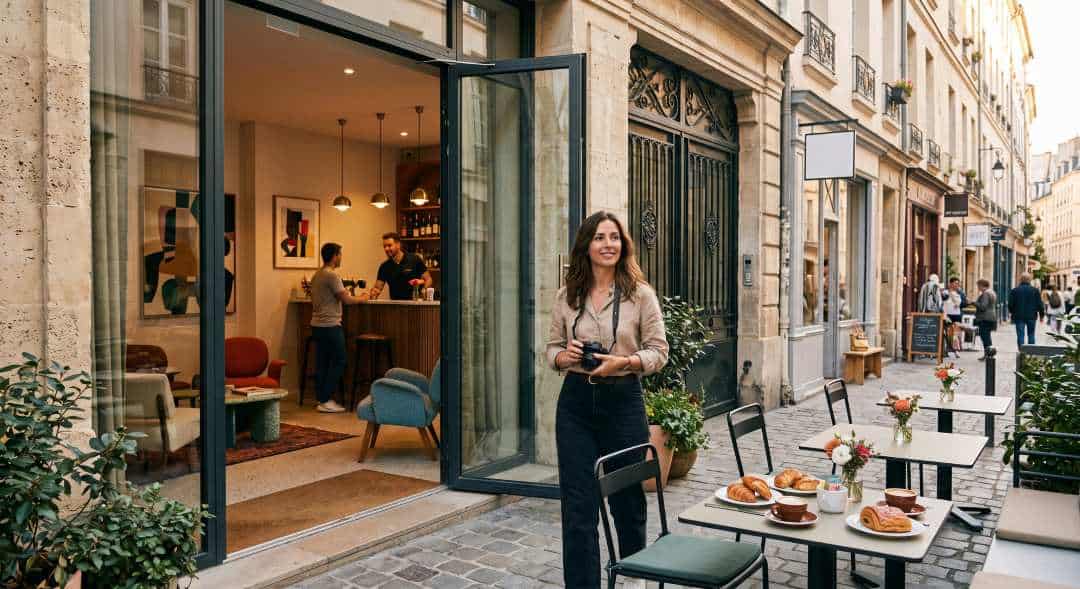
Build your boutique hotel marketing strategy around who you want to attract, which dates need demand, and why those travelers should choose your property.
Review booking records and guest feedback for origin markets, length of stay, booking lead times, and reasons for visiting. Select one priority audience rather than trying to appeal to every traveler.
When marketing a boutique hotel, replace broad claims like “a unique escape” with specifics: individually designed rooms, a hosted breakfast, or a walkable arts district. Only promote experiences you actually provide.
Prioritize online marketing for boutique hotels according to the problem you need to solve:
| Current problem | Start here | First practical action |
| Visitors arrive but rarely book | Booking website and tracking | Test the mobile reservation journey. |
| Too few relevant travelers find you | Local SEO and search content | Improve property details and useful location pages. |
| Specific dates need more reservations | A focused offer and campaign | Match one audience to available rooms and dates. |
| Previous guests rarely return | Guest email marketing | Create a relevant return-stay offer for an appropriate segment. |
Set a measurable objective, such as increasing two-night stays on quieter weekdays, before approving new campaigns.
2. How Can Your Website Turn Visits Into Direct Bookings?
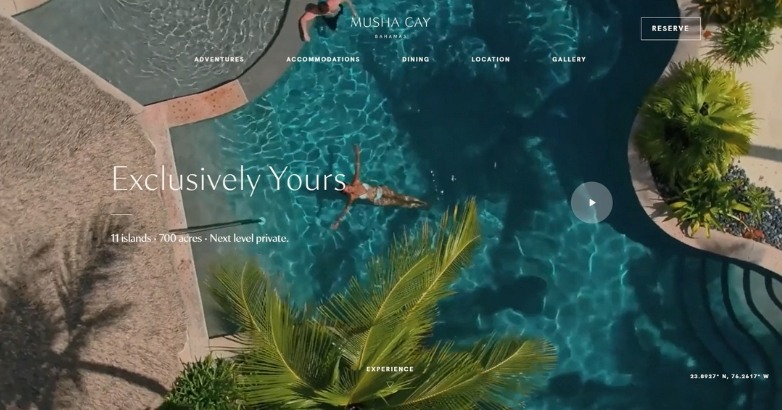
Make room choices, prices, availability, and booking conditions easy to understand on both mobile and desktop.
Show the differences between rooms. Include bed configurations, occupancy, amenities, accessibility details, and actual views. Use photographs of the specific room category rather than repeating the same attractive image everywhere.
Make the next step obvious. Keep “Check Availability” visible and send package visitors to the corresponding offer whenever your booking engine supports it. Explain included benefits, additional charges, and cancellation terms before the final booking step.
Give guests a genuine reason to book directly. Consider included breakfast, parking, or another benefit your operation can consistently deliver. Avoid promising upgrades or late checkout without stating any availability conditions.
Test the journey yourself: select dates on a phone, compare two rooms, and arrange a test reservation. Record missing information, difficult form fields, and unexpected price changes.
For additional guidance, our hotel website redesign guide covers the booking journey, room pages, mobile performance, and conversion tracking in more detail.
3. How Can Boutique Hotels Get Found in Search?
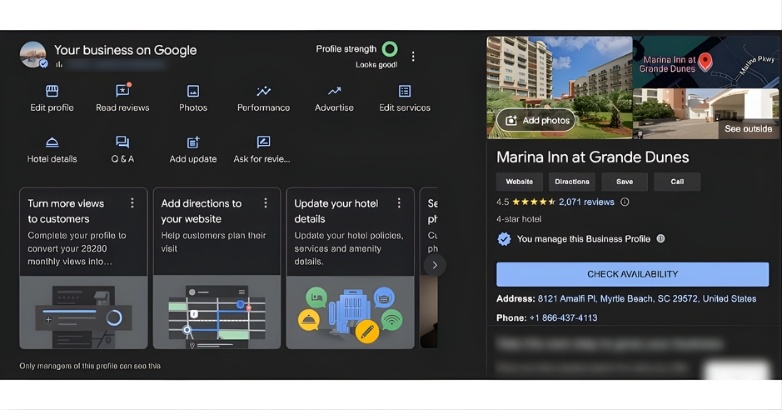
Build useful pages around your location, property features, and guest questions, then maintain accurate information on Google.
For a search such as “boutique hotel near the arts district,” explain the hotel’s location, transportation options, room choices, and relevant local experiences. Avoid creating near-identical pages for every nearby neighborhood.
A strong local SEO strategy for hotels should connect the property with searches related to its location, amenities, nearby attractions, and the types of stays it offers.
Keep your Google Business Profile accurate, including contact details, hotel amenities, and current photographs. Google states that local results are mainly based on relevance, distance, and prominence.
Request honest reviews and respond constructively. Do not offer rewards for Google reviews or selectively ask only satisfied guests, as Google prohibits review incentives and rating manipulation.
Check Google’s free booking links. These can display your room rates and send travelers directly to your booking page without a Google click fee. Hotels using a reservation system may already be connected through their provider.
Does AI Search Require a Separate Strategy?
For Google’s AI Overviews and AI Mode, no separate technical setup or special content formula is required beyond standard search eligibility and SEO fundamentals.
Google recommends useful content, strong internal linking, accessible text, accurate structured data, and current Business Profile information. Read Google’s guidance for AI features in Search.
Keep important property information in readable text, answer questions directly, and have knowledgeable staff verify local recommendations. Do not rely on arbitrary word counts or invented author identities.
4. What Content Helps Guests Choose Your Hotel?
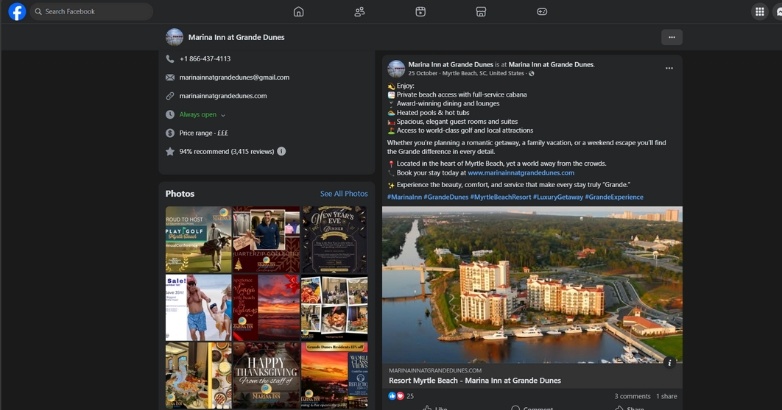
Create content that answers three decisions: which room to book, what to do during the stay, and why your property fits the trip.
Use room comparisons, staff recommendations, neighborhood itineraries, and detailed package pages. Connect destination guides to relevant rooms or offers instead of ending with a generic booking invitation.
Illustrative campaign: An art-focused inn could create a two-night “Gallery Weekend” with a local gallery partner. Publish one page showing the itinerary, room options, inclusions, available dates, and booking terms.
Support it with a staff-led video and an email to guests who have expressed interest in cultural stays. Use a dedicated offer code to connect reservations with the campaign.
Before promoting any partnership, confirm availability, responsibilities, guest costs, and cancellation arrangements. A memorable package should also be practical for your team and partners to deliver.
Is Your Hotel Showing Up in ChatGPT?
Travelers are increasingly using AI tools to research destinations before they ever reach a booking site. See how your hotel appears in these AI-generated answers, where competitors or OTAs may be gaining visibility, and whether there are opportunities to strengthen your presence.
5. How Should Boutique Hotels Use Social Media and Video?
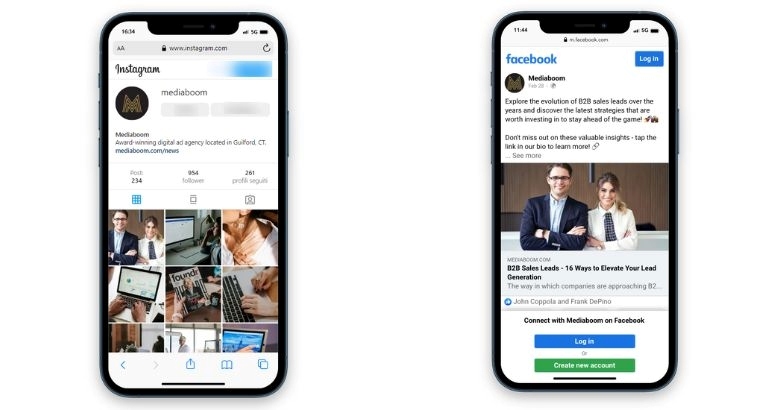
Use social media and video to show the actual stay and answer questions that photographs or short descriptions leave open.
Start with one or two platforms your intended guests use and your team can maintain. Build a repeatable content plan around room walkthroughs, breakfast service, staff recommendations, and local experiences.
For each post, choose a relevant next step. A suite walkthrough should lead to that suite’s details; a package video should lead to the package page.
Ask permission before reusing guest photographs or videos. Add captions to spoken video content and avoid edits that misrepresent room sizes or views.
6. How Should Boutique Hotels Manage Paid Advertising?
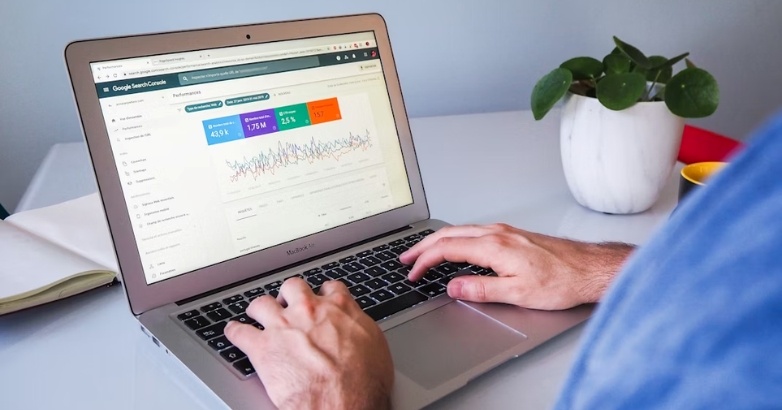
Boutique hotel paid media management should connect each campaign to a clear audience, available inventory, a matching landing page, and booking measurement.
Separate campaigns targeting your hotel’s name from those targeting broader destination searches. Evaluate them separately rather than allowing strong branded results to hide weak performance elsewhere.
Google Ads for hotels can target travelers actively searching for properties, destinations, and related terms. Search terms should be reviewed regularly so irrelevant queries can be excluded.
Google Hotel Ads are another option. Hotel campaigns can display photos, amenities, prices, and booking links based on the traveler’s selected dates.
For paid social, test one specific experience or offer rather than advertising everything the hotel provides. Use retargeting only where your tracking and consent settings support it.
Consider the places your guests travel from, not only the area around your property. Coordinate advertising with room availability and normal booking lead times.
Do not keep promoting sold-out packages, and avoid increasing spend until completed reservations can be measured.
7. How Can Email Bring Guests Back?
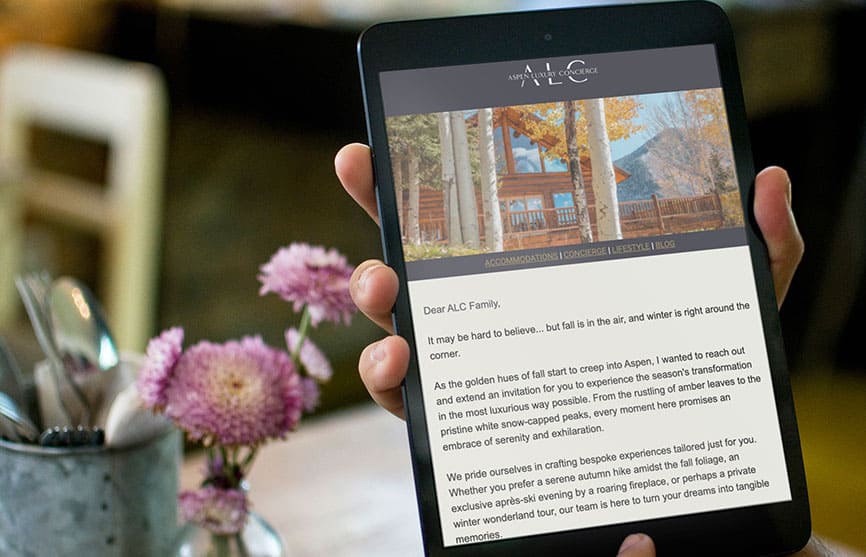
Bring guests back with relevant reasons to return, based on their interests and previous stays, rather than sending everyone the same discount.
Before arrival, provide practical information about check-in, parking, dining reservations, and available experiences. After departure, thank guests and invite honest feedback.
For return-stay campaigns, build appropriate audience groups around interests, travel occasions, or previous packages. A guest who enjoyed a culinary weekend could receive an invitation to a new chef-led experience.
Send promotional emails only to guests you have permission to contact, honor unsubscribes, and remove recipients from offers that no longer fit their situation.
Measure clicks, reservations, and booking value where attribution is available. Keep service messages and promotional campaigns clearly distinguished in both planning and reporting.
Elevate Your Hospitality Brand Today
Schedule Your Free Consultation
Seeking to elevate your business? Let Mediaboom guide you. Secure your exclusive, free consultation with our digital marketing experts today.
8. Which Marketing Metrics Should Boutique Hotels Track?

Track completed reservations, booking revenue, acquisition costs, and repeat stays first. Use traffic and engagement to help explain those outcomes.
| Metric | How to use it |
| Direct reservations and revenue | Track booking volume and value, accounting for cancellations. |
| Website booking conversion rate | Divide completed website reservations by website sessions; keep the scope consistent. |
| Advertising cost per booking | Divide ad spend by reservations attributed to those ads. |
| Return on ad spend (ROAS) | Divide attributed booking revenue by ad spend; this measures revenue, not profit. |
| Repeat-guest share | Track the proportion of stays made by returning guests using a consistent definition. |
A booking-button click is not a completed reservation.
When the booking engine runs on a separate domain, ask your provider about GA4 cross-domain measurement. Cross-domain measurement can connect activity across related domains, but completed reservations still need their own event tracking.
Compare analytics with reservation-system records. Account for cancellations, consent-related measurement gaps, and different attribution rules before judging campaign performance.
How Do You Choose a Boutique Hotel Marketing Agency?
Choose a boutique hotel marketing agency that can connect your property’s positioning, booking website, campaigns, and reservation reporting.
Before hiring a digital agency for boutique hotel marketing, request a clear scope, relevant hospitality work, reporting examples, and a plan for working with your booking-engine provider.
Clarify who owns advertising accounts and creative assets, who approves offers, and which costs are agency fees versus media spend. Match the services to your team’s actual gaps rather than buying every available channel.
A hotel seeking support across website design, SEO, paid media, email, and content can also review Mediaboom’s hotel marketing services.
Mediaboom Example: Seven on Shelter Island
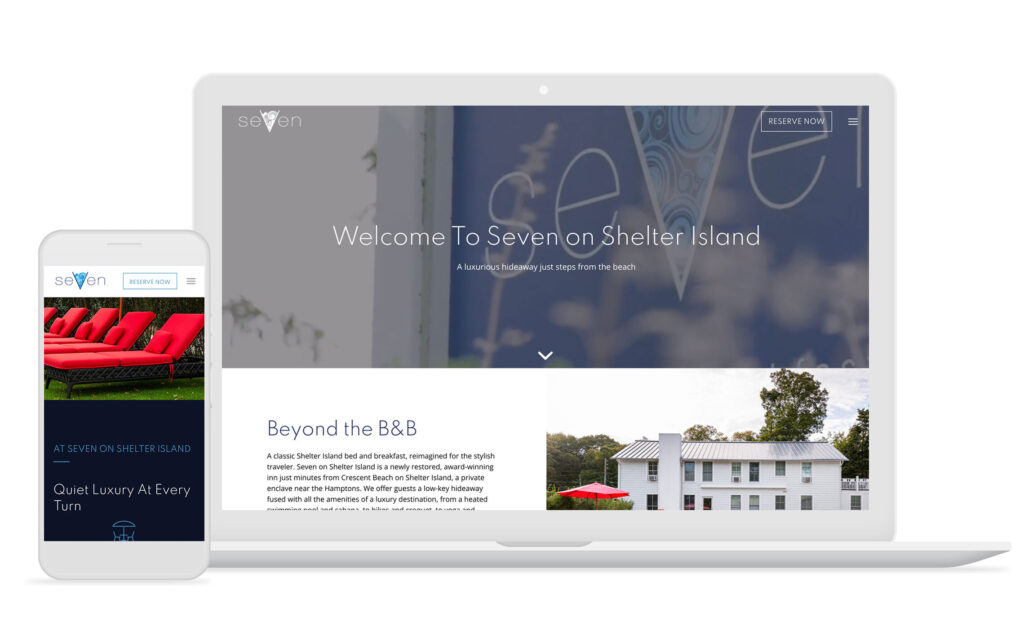
Mediaboom worked with Seven on Shelter Island on its website, SEO, and content marketing.
The website incorporated original photography, property-focused copy, and InnRoad booking software. Mediaboom also interviewed local residents and visitors when producing search-focused content.
The case study reports a 674.6% increase in online conversions, a 319.3% increase in page views, and a 451.2% increase in organic visitors. An exit-intent offer also generated a 21% increase in leads.
The lesson for boutique hotels is to connect the property story, local knowledge, booking system, and marketing activity rather than treating them as separate projects.
WHAT OUR CLIENTS SAY
Frequently Asked Questions
What Are the Best Digital Marketing Services for Boutique Hotels?
The best digital marketing services for boutique hotels depend on the property’s biggest booking problem. Start with website and tracking improvements when visitors are not converting, search visibility when discovery is weak, and focused advertising or email when suitable offers need an audience.
How Much Should a Boutique Hotel Spend on Digital Marketing?
Work backward from the reservations you need and the acquisition cost your booking margins can support. Budget separately for advertising, agency support, content production, and tools.
For an illustrative test, a target of 20 bookings at $50 in advertising per booking implies a $1,000 media budget. Actual results will depend on the property, market, season, audience, and campaign.
Should Boutique Hotels Stop Using OTAs?
Not automatically. Treat online travel agencies as part of your distribution plan while building a stronger direct channel.
Compare total acquisition costs, cancellation patterns, guest fit, and repeat-stay potential before changing your channel mix.
Elevate Your Hospitality Brand Today
Schedule Your Free Consultation
Seeking to elevate your business? Let Mediaboom guide you. Secure your exclusive, free consultation with our digital marketing experts today.
What Should You Do in the Next 30 Days?
First week: Test the booking journey, confirm reservation tracking, and choose one priority guest segment and booking goal.
Second week: Improve room and location pages, correct Business Profile details, and check participation in Google’s free booking links.
Remainder of the month: Launch one focused campaign tied to available rooms. Review early booking and revenue signals while allowing for your guests’ normal booking lead time.
Build digital marketing for boutique hotels around the stay you actually deliver, then make it easy for the right guests to choose it.
Ready to strengthen your direct-booking strategy? Contact Mediaboom to discuss website, search, paid media, social, and email support built around your boutique hotel’s guests and booking goals.
By: Frank DePino
Frank DePino is the Principal and Founder of Mediaboom, a top hotel marketing agency partnering with leading hotel and hospitality brands. With 30+ years of experience, he has led strategic digital initiatives for names including Four Seasons, Ritz-Carlton, JW Marriott, Millennium Partners, and Guardian Jet. Frank helps hospitality businesses strengthen brand presence, drive qualified leads, and elevate guest experiences through website design, SEO, content marketing, and paid media. Under his leadership, Mediaboom is a trusted partner for brands pursuing measurable digital growth in a competitive hospitality landscape.