Hotel Advertising Designed to Deliver Bookings in 2026

By: Frank DePino | March 13, 2026


Loading the Elevenlabs Text to Speech AudioNative Player...
Hotel advertising is the engine that keeps your property visible in an increasingly crowded marketplace. While travelers are now more connected than ever, the path to a booking has become a high-stakes battleground. Online Travel Agencies (OTAs) currently capture over 63% of independent hotel bookings, and their dominance in search results continues to drive up commission costs.
A strategic advertising plan is no longer just about “being seen”—it is about taking control of the guest journey. Paid campaigns allow you to bypass intermediaries, speak directly to your ideal demographic with tailored messaging, and protect your margins by driving high-value direct bookings.
In this guide, we break down the high-impact strategies for late 2026, including:
Here’s what’s included:
- What is hotel advertising, and how does it increase bookings?
- Why Hotel Advertising Is Crucial for Your Brand’s Success
- What Works Right Now in Hotel Advertising
- Types of Hotel Advertising Channels That Work
- How to Create Effective Hotel Advertising Campaigns
- Key Metrics to Track Your Campaign’s Success
- Real Hotel Advertising Examples That Worked
- Common Mistakes to Avoid in Hotel Advertising
- How Advertising Supports Long-Term Hotel Brand Growth
- Key Changes Ahead – Preparing for 2026
- Let Your Hotel Advertising Work Harder With a Strategic Partner
- Ready to Elevate Your Hotel Advertising?
What is hotel advertising, and how does it increase bookings?
Hotel advertising uses paid channels to reach travelers during the planning and booking stages. It is most effective when you:
- Target high-intent searches and ready-to-book audiences
- Show clear value like perks, flexibility, or packages
- Retarget visitors who did not finish a reservation
- Track ROAS and booking source attribution to refine spend
Download Our FREE Guide
Outrank OTAs & Drive Direct Bookings With Our Hospitality Digital Marketing Guide
Learn how leading hotels increase website traffic, reduce OTA commissions, and convert more guests with targeted digital marketing strategies.
Why Hotel Advertising Is Crucial for Your Brand’s Success
The hospitality market is highly competitive. New hotels and short-term rentals continue to emerge, while OTAs compete for the same demand. Without advertising, your property risks being overlooked when guests make booking decisions.
Hotel advertising does more than generate impressions. It protects your margins by increasing direct bookings and builds brand trust, which is essential when travelers compare similar rates across multiple platforms.
Consistent advertising across all seasons supports peak periods, shoulder seasons, and slower weeks. Many properties choose to partner with a hotel marketing agency to enhance their strategic planning and campaign performance. This stability benefits staffing, revenue management, and long-term growth.
If you want a clearer strategy across channels, start with Mediaboom’s digital marketing services for hotels.
What Works Right Now in Hotel Advertising
By late 2025, efficiency is critical. Platforms prioritize relevant ads, strong creativity, and fast post-click experiences. Success depends on aligning ads with traveler intent and ensuring your site converts effectively.
A key advantage is aligning ads closely with your booking engine. Ensure offers reflect real-time availability, landing pages load quickly, and messaging addresses travelers’ immediate questions.
Differentiate your property clearly. Travelers compare many options in a single session, so highlight what makes your hotel the preferred choice, not just the most affordable.
If you want campaigns built to convert, review Mediaboom’s hotel advertising overview.
Types of Hotel Advertising Channels That Work
Not every channel is necessary. A hotel marketing agency can also help determine which mix of channels will best suit your property’s objectives and budget. Select the right mix based on your property, market, and season. The following channels consistently perform when managed with a hotel-focused approach.
1. Google Ads and Search Engine Marketing
Search remains the most direct path to bookings. Travelers searching for terms like “hotel near” or “best hotel in” demonstrate clear intent, making a strong PPC strategy essential.
Prioritize three areas: protect your brand terms from OTA bidding, target high-intent non-brand queries related to your location and experience, and develop seasonal campaigns for packages, events, and key dates.
Simplify landing pages. Ensure ad copy matches the page headline, make the booking button prominent, and eliminate distractions that could delay checkout.
Combine paid search with robust organic strategies. Working with a hotel marketing agency can help tailor your Google Ads strategy to maximize direct bookings and defend brand terms from OTAs. Integrate hotel search engine marketing and Google Ads to create a balanced approach.
If you want a managed approach, explore Mediaboom’s hotel PPC agency.
2. Social Media Advertising
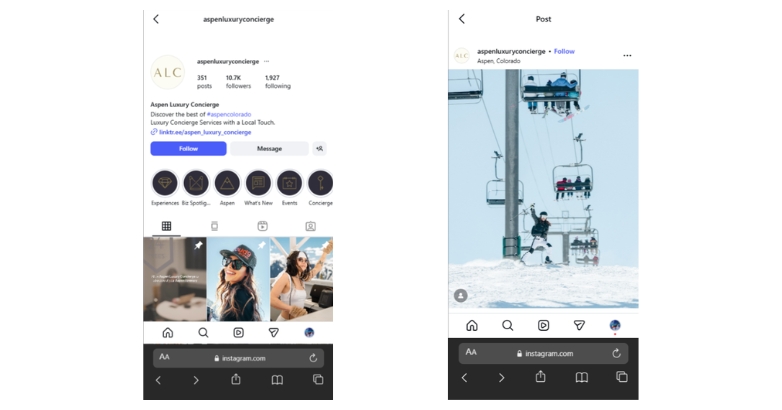
Effective hotel social media advertising emphasizes the experience. You are promoting more than a room; you are offering a view, an atmosphere, and memorable moments.
By late 2025, short-form video outperforms static images. Use reels and TikTok-style content to capture attention quickly, featuring real spaces, staff interactions, and authentic guest experiences.
Leverage precise targeting by using traveler interest signals, location radius, and lookalike audiences from previous converters. Structure campaigns in sequences: awareness, consideration, and booking retargeting.
Utilize social media to enhance brand awareness, particularly for boutique and luxury hotels. For creative direction, incorporate storytelling tailored to the hospitality industry.

3. Display Ads and Retargeting
Display advertising is most effective as a reminder rather than a static promotion. Most travelers compare options and often return to book after their initial visit.
A hotel remarketing strategy maintains brand visibility during the decision-making process. Retarget site visitors, booking engine abandoners, and past guests with tailored offers. Segment audiences by intent, such as room or package page viewers.
Prioritize creative variety by rotating fresh imagery, highlighting reviews, and clearly communicating benefits. Make it easy for travelers to choose your property again.
Retargeting is closely linked to your website experience. A slow or confusing site undermines ad effectiveness. Improve conversions with high-quality hotel website design and development.
If you want retargeting that drives bookings, explore Mediaboom’s paid digital advertising.
4. Video Advertising
Hotel video marketing is effective because it addresses travelers’ unspoken questions, such as the atmosphere of rooms, the ambiance of the lobby at night, and the pool experience during a typical day.
In 2025, video enhances remarketing efforts. Short videos can re-engage travelers who left your site and build trust more quickly than written content.
Keep videos concise. Begin with a compelling visual in the first two seconds, use captions, provide context such as proximity to key attractions, and conclude with a direct offer.
If you want a video that supports your funnel, pair it with Mediaboom’s content marketing for hotels.
5. Programmatic Advertising
Programmatic advertising expands awareness across premium placements by using data signals to reach your target audience. This approach is valuable when you need to generate demand beyond search channels.
Maintain control by setting frequency caps, excluding irrelevant placements, and optimizing for viewable impressions and post-click behavior rather than focusing solely on low CPM.
Programmatic advertising is most effective with accurate tracking in place. Without it, you cannot assess the impact on direct bookings.
If you want programmatic done with discipline, align it with Mediaboom’s marketing services for hotels.
Elevate Your Hospitality Brand Today
Schedule Your Free Consultation
Seeking to elevate your business? Let Mediaboom guide you. Secure your exclusive, free consultation with our digital marketing experts today.
How to Create Effective Hotel Advertising Campaigns
Begin each campaign with a clear understanding of your target guest and a compelling reason for them to book. Broad targeting is less effective.
- Define your target persona, such as weekend leisure travelers, business guests, wedding parties, or luxury seekers. Align your creative and offers with this audience.
- Establish the campaign goal, whether it is bookings, brand awareness, email capture, or event promotion. Each objective requires specific KPIs and tailored creative.
- Structure a full-funnel approach. Use search and remarketing for bookings, social media and video for awareness, and display and email for nurturing leads.
- Implement testing. Conduct A/B tests on headlines, images, and offers. Refresh creative before it becomes ineffective, and adjust budgets based on ROAS.
Support consistency with hotel branding and trust signals from hotel reputation management.
Key Metrics to Track Your Campaign’s Success
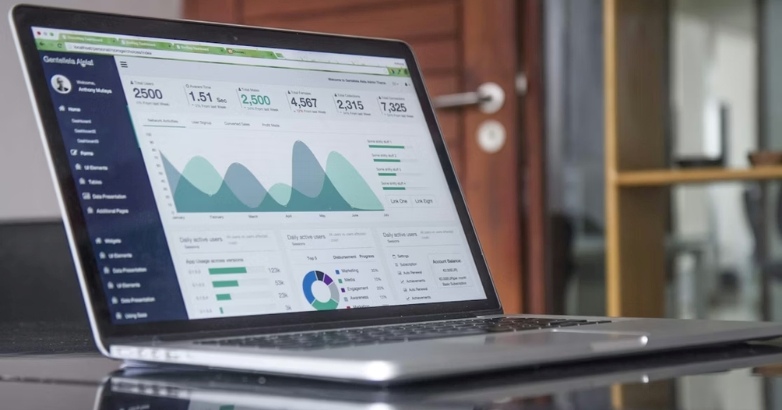
Effective hotel advertising optimization requires accurate metrics. Track costs, revenue, and the factors influencing bookings.
Monitor CTR, CPC, and conversion rates, but also track ROAS and booking source attribution. This prevents overvaluing last-click channels and underfunding early-funnel efforts.
Track device usage, as many travelers browse on mobile but complete bookings on desktop. Monitoring only one device misses the complete customer journey.
Monitor creative performance. Declining engagement indicates ad fatigue and signals the need to refresh creative, rather than increasing spend.
Unify paid and organic visibility with local SEO for hotels.
If you want reporting that ties to bookings, work with Mediaboom’s digital paid advertising team.
Why First Impressions Matter in Hotel Advertising
Travelers form opinions in seconds. The first ad they see often determines whether they continue researching your property or move on. Hotel advertising shapes those early impressions with visuals, messaging, and positioning that influence trust.
When your ads feel consistent, professional, and aligned with your website experience, travelers are more likely to click, stay engaged, and book directly. This consistency reduces hesitation and shortens the booking cycle, especially for higher-value stays.

How Seasonality Impacts Hotel Advertising Performance
Seasonality directly affects hotel advertising strategy. Demand patterns shift throughout the year, and advertising allows you to adapt without relying on blanket discounts.
During peak seasons, advertising protects direct booking share by competing with OTAs. During shoulder seasons, it stimulates demand with targeted packages and timely offers. This flexibility helps stabilize occupancy and revenue across the year.
Why Data Alignment Improves Hotel Advertising ROI
Successful hotel advertising relies on accurate data. When analytics, booking engines, and ad platforms align, you gain clearer insight into what drives bookings.
This alignment allows for smarter budget allocation, stronger attribution modeling, and more confident decision-making. Hotels that prioritize data clarity consistently outperform those relying on assumptions.
Download Our FREE Guide
Outrank OTAs & Drive Direct Bookings With Our Hospitality Digital Marketing Guide
Learn how leading hotels increase website traffic, reduce OTA commissions, and convert more guests with targeted digital marketing strategies.
The Role of Creative Refresh in Sustained Campaign Performance
Creative fatigue is one of the most common reasons hotel advertising performance declines. When travelers see the same visuals repeatedly, engagement drops, and costs rise.
Refreshing creative regularly with new imagery, updated messaging, and seasonal themes helps maintain relevance. It also provides valuable performance insights into what resonates most with your audience.
Real Hotel Advertising Examples That Worked
A luxury resort ran social media advertising campaigns focused on the guest experience rather than discounts. Value-added offers, such as complimentary breakfast or late checkout, incentivized direct bookings. Retargeting re-engaged page visitors, improving conversion rates, and reducing OTA reliance.
A boutique hotel implemented its marketing strategy following a website update. Retargeting was segmented by intent: room page viewers saw features and reviews, while package viewers saw limited-time perks. This approach reduced wasted spend and increased direct conversions.
A city hotel used a PPC strategy focused on events and high-demand dates. Some examples featured here were developed with the support of a dedicated hotel marketing agency, helping hotels refine messaging and audience targeting. Campaigns targeted conference weeks and busy weekends, utilizing precise geotargeting and ad scheduling to prioritize booking windows. This improved occupancy during typically inconsistent seasons.
If you want to convert interest after the click, email is often your most cost-effective follow-up. Use hotel email marketing to nurture and close.
Common Mistakes to Avoid in Hotel Advertising
Broad targeting is a common mistake. While it may seem safe, it wastes budget. Focus on travelers most likely to book your category, price point, and location.
Ignoring mobile optimization is another mistake. A slow or cumbersome booking flow reduces ad effectiveness. Improve speed, minimize form friction, and ensure the booking button is easy to locate.
Stale creative leads to ad fatigue. Develop a refresh plan that includes new angles, seasonal visuals, and updated social proof.
Mismatched offers are another pitfall. If an ad promotes a package but the landing page does not, travelers will leave. Ensure a simple and consistent user journey.
Weak positioning results in guests choosing based on price alone. Differentiate your property with strong luxury hotel marketing and long-term demand generation through SEO.
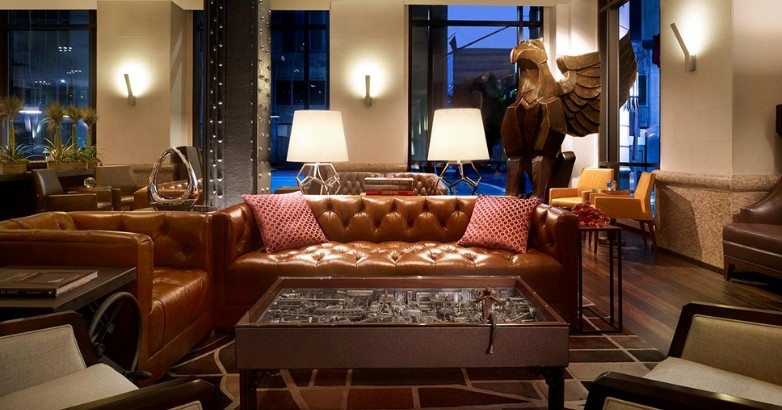
How Advertising Supports Long-Term Hotel Brand Growth
While direct bookings remain the primary goal, hotel advertising also plays a long-term role in brand building. Repeated exposure across channels increases familiarity, which influences future booking decisions.
This is especially important for boutique and luxury hotels, where emotional connection and brand perception heavily influence traveler choice.
WHAT OUR CLIENTS SAY
Key Changes Ahead – Preparing for 2026
By late 2025, platform trends are clear. Creative quality is increasingly important, with platforms rewarding watch time, engagement, and relevance. Stock images and generic copy are no longer effective.
Privacy and measurement standards are becoming stricter. Strengthen first-party data by building email lists, capturing guest preferences, and enhancing consent-based tracking to increase advertising resilience.
Travelers now expect immediate information on rates, perks, and policies. Ensure landing pages are streamlined, booking engines are user-friendly, and offers are clearly presented.
Brand trust is increasingly important. Reviews, reputation, and consistency significantly influence booking decisions, making brand awareness campaigns essential for premium properties.
Prepare by creating a connected marketing ecosystem. Align paid media with SEO, content, and email strategies. Leverage digital marketing services, including search engine optimization and email marketing, for comprehensive support.

Let Your Hotel Advertising Work Harder With a Strategic Partner
Managing hotel advertising in-house is possible but requires significant time and specialized expertise. Success depends on platform knowledge, creative development, landing page optimization, and reporting that links spend to bookings.
A strategic partner accelerates progress and reduces costly learning curves. You benefit from precise targeting, stronger creative, improved testing, and clear insights into campaign performance.
Mediaboom specializes in luxury and boutique hospitality. This expertise is crucial, as hotel marketing involves unique challenges such as seasonality, availability, rate strategy, and ongoing competition with OTAs.
To explore the scope, start with Mediaboom’s hotel digital marketing agency.
Elevate Your Hospitality Brand Today
Schedule Your Free Consultation
Seeking to elevate your business? Let Mediaboom guide you. Secure your exclusive, free consultation with our digital marketing experts today.
By: Frank DePino
Frank DePino is the Principal and Founder of Mediaboom, a top hotel marketing agency partnering with leading hotel and hospitality brands. With 30+ years of experience, he has led strategic digital initiatives for names including Four Seasons, Ritz-Carlton, JW Marriott, Millennium Partners, and Guardian Jet. Frank helps hospitality businesses strengthen brand presence, drive qualified leads, and elevate guest experiences through website design, SEO, content marketing, and paid media. Under his leadership, Mediaboom is a trusted partner for brands pursuing measurable digital growth in a competitive hospitality landscape.