Hotel Branding 2026 – 25 Ways to Stand Out & Win Direct Bookings

By: Frank DePino | January 28, 2026


Loading the Elevenlabs Text to Speech AudioNative Player...
A strong hotel brand builds guest trust, drives direct revenue, and keeps your property top‑of‑mind in a sea of choices when supported by the expertise of a hotel marketing agency.
Travelers today are overwhelmed with options—online travel agencies, comparison sites, and short-term rentals. Without clear branding, your hotel risks blending into the noise. But when you define and consistently express your identity, you create loyalty that drives repeat business and referrals.
Here’s how effective hotel branding creates measurable impact:
- Increases bookings and revenue
- Builds emotional connection
- Improves pricing power
- Supports differentiation
- Drives marketing efficiency
If you don’t shape your brand, the market will do it for you. And once that perception is set, good or bad, it’s hard to shift.
Whether you’re opening a new hotel or refreshing an existing brand, this complete 2026 guide will help you understand, build, and apply an effective hotel branding strategy step by step with insights similar to what a hotel marketing agency uses to strengthen positioning.
Here’s what’s included:
- Understanding Your Target Audience
- Consistency
- Developing a Unique Brand Identity
- Have a Niche
- Create a Captivating Story
- Building a Memorable Guest Experience
- Provide Story-Worthy Services
- Provide Unique Offerings
- Measuring and Managing Your Brand
- The Role of Social Media in Hotel Branding
- Hotel Branding and Loyalty Programs
- Crisis Management & Brand Reputation
- The Impact of Reviews on Hotel Branding
- Branding for Independent Hotels vs. Chains
- Key Concepts in Hotel Branding
- How to Build Your Hotel Brand (Step by Step)
- Beat Out the Competition
- Build Consumer Trust
- Turn Your Customers Into Ambassadors
- 2026 Hotel Branding Trends
- Digital Branding and Online Presence
- The Best Hotel Branding Examples
- Measuring Your Hotel Brand Success
- FAQs
- Hire a Luxury Hotel Marketing Agency Today
Is Your Hotel Showing Up in ChatGPT?
Travelers are increasingly using AI tools to research destinations before they ever reach a booking site. See how your hotel appears in these AI-generated answers, where competitors or OTAs may be gaining visibility, and whether there are opportunities to strengthen your presence.
1. Understanding Your Target Audience
Identifying the ideal guest is the cornerstone of effective branding for hotels.
It involves pinpointing the specific type of traveler your hotel aims to attract. This could be a business traveler, a leisure tourist, a family, or a specific demographic like millennials or luxury seekers.
Once you’ve identified your ideal guest, it’s crucial to understand their needs, preferences, and desires.
- What are their pain points when traveling?
- What amenities are they looking for?
- What kind of experiences do they seek?
By delving into these questions, you can uncover valuable insights to tailor your hotel offerings accordingly.
To bring these insights to life, creating guest personas is essential.
A guest persona is a fictional representation of your ideal customer. It includes details such as demographics, lifestyle, behaviors, motivations, and goals.
By developing detailed guest personas, you can better understand your target market and make informed decisions about your hotel’s branding and marketing strategies.
2. Consistency
Understand what you believe in and stick to it: this is the first step of your hotel branding process.
The ‘image’ of your company must be represented in everything related to your brand. It is thought that this comprises your name and logo, font, stationery, and meals, but go further than that.
It also covers your music, accent and attitude, promotional campaign, and any social media or marketing emails to gain loyal customers. Each of these transmits a signal. Is that signal stating you’re a mediocre operator or that you have pride in your work? Think about it!
When your hotel branding is consistent, more travelers will immediately recognize your marketing. The more people recognize you, the more powerful your brand reputation gets!
Whether you’re selling an all-inclusive hotel or a cozy bed & breakfast, these advantages should be among your top priorities. To attain them, you must first establish a base of brand consistency.

3. Developing a Unique Brand Identity
A hotel’s brand identity is more than just a logo and color palette; it’s the soul of the establishment.
By defining the hotel’s personality, creating a compelling brand story, and articulating clear brand values and mission, hotels can forge a deeper connection with guests.
Successful hotels recognize that their customers are individuals seeking experiences, not merely accommodations.
As Simon Gibson suggests, brands should strive to be relatable, almost human, rather than transactional. “Airbnb is a prime example: it transformed houses into stories, imbuing each stay with character and personal touch,” he notes.
A hotel’s brand identity is incomplete without clearly defined brand values and a compelling mission statement. These serve as the guiding principles that inform every aspect of the hotel’s operations and guest experiences.
- Brand values are the core beliefs and principles that underpin the hotel’s culture and ethos. They should be authentic, inspiring, and resonate with the target audience. For example, a luxury boutique hotel might prioritize exclusivity, personalized service, and sustainability.
- The mission statement articulates the hotel’s purpose and overall goal. It should be concise, memorable, and inspiring. A strong mission statement clearly communicates what the hotel aims to achieve for its guests and the community.
By aligning the hotel’s actions and decisions with its brand values and mission, it creates a sense of purpose and authenticity that resonates with guests. This consistency builds trust and loyalty, fostering long-term relationships.
4. Have a Niche
A niche is a specialty that targets a specific industry or group of customers. Finding a niche is critical for you if you want not only to generate consistent cash but also to build a reputation.
Benefits of Having a Niche. Let’s look at three solid reasons why having a niche in your hotel identity branding is essential.
- Low Competition: One of the primary advantages of a niche market is little or no competition. There are many fewer competitors offering the same item when you submit a small or particular target. But, there would be fewer customers searching for your products. As a result, you must focus on the correct clients.
- Less Spends on Advertising: Promotions are made much easier by niche marketing. In addition, marketing to a niche market is generally very targeted. Therefore, it is also expense-effective.
- More Revenue: Profit ratios in niche businesses are frequently massive. Customers’ particular needs are met by niche enterprises. Furthermore, buyers cannot obtain goods or services somewhere else. So, they are willing to pay extra for the services.
- Proficiency: When you provide a specific service to a niche market, you naturally assume the role of an expert in your industry. You are the ideal choice for obtaining the correct answers. It is challenging to be an expert in every topic. However, you can offer expertise in your own field. The ability to specialize in one field can help you attract more consumers by meeting their unique demands.
Elevate Your Hospitality Brand Today
Schedule Your Free Consultation
Seeking to elevate your business? Let Mediaboom guide you. Secure your exclusive, free consultation with our digital marketing experts today.
5. Create a Captivating Story
Given that around 75% of people do not trust conventional means of marketing.
As we are bombarded with hundreds of marketing communications, you must find a way to break through the clutter genuinely.
A brand is more of a story than a sales pitch. It provides a story about what it’s like to stay at your hotel rather than merely presenting what it has to provide. The report should include the hotel’s past, philosophy, location, and esthetic.
Moreover, the story also tells clients what the end-to-end journey feels and looks like both on and off the property.
According to HotelRez, “good hotel storytellers online are moving away from large portions of dull, normalized text and descriptions of amenities, and toward the use of large, stunning, bold pictures with fascinating narratives and convincing bite-sized videos, which are more suitable to today’s multi-device, multi-channel world.”
6. Building a Memorable Guest Experience
A truly exceptional guest experience goes beyond basic amenities and services. In fact, it’s about creating a journey that connects emotionally with guests and leaves lasting memories.
At the core of this is a strong commitment to hospitality. Hotels should move from simply accommodating guests to actively caring for their well-being and creating moments of delight. In addition, consistently delivering the brand promise across all touchpoints—from the first online interaction to the final farewell—is essential.
Leveraging technology can enhance this experience by offering personalized services and efficient operations. However, it’s the human element that truly sets exceptional hotels apart. Staff members must be empowered to go above and beyond, creating genuine connections with guests.
Ultimately, the goal is to curate experiences that not only satisfy but inspire, fostering loyalty and advocacy.

Examples of Creating a Memorable Guest Experience
- A luxury boutique hotel consistently delivers on its promise of exclusivity by offering personalized butler service, curated in-room amenities, and intimate experiences.
- A family-friendly resort reinforces its brand promise of fun and relaxation through dedicated kids’ clubs, water parks, and family-oriented entertainment.
7. Provide Story-Worthy Services
Exceptional customer service is the cornerstone of a thriving hotel brand.
By creating memorable experiences, hotels can cultivate loyal guests who become enthusiastic advocates.
Offering tangible keepsakes can enhance the guest experience. Consider thoughtfully curated items like branded biscuits, candles, or even personalized engraved products. These tokens not only delight guests but also serve as lasting reminders of their stay.
However, it’s crucial to avoid generic items that lack impact:
- Beyond tangible offerings, exceptional service is paramount.
- By being highly responsive, accessible, and service-oriented, hotels can build trust and loyalty.
- These qualities empower guests to feel valued and cared for, transforming ordinary stays into extraordinary experiences.
Ultimately, the goal is to create story-worthy moments that guests will share with others. By exceeding expectations and delivering unforgettable service, hotels can cultivate a loyal following and drive long-term success.
Examples:
- Local artisanal products: Curated selection of local delicacies or handcrafted items, showcasing the destination’s culture.
- Surprise amenities: Unexpected treats like a bottle of champagne or a fruit basket for special occasions.
- Personalized service: Remembering guest preferences and tailoring experiences accordingly, such as preferred room temperature or reading materials.
8. Provide Unique Offerings
A unique offering means the unique advantage of a business, service, or item that empowers it to stand out from the competition.
The characteristic that shows product benefits that are important to customers must be the unique selling proposition. It concentrates on explicit claims of innovation involving an outstanding verifiable quality.
A unique selling proposition is a crucial positioning signal a business or sales representative provides to prospects. Your unique selling point outlines why your service is more robust, better, or different from competitors.
Unique offering also provides clear distinction, increased revenue, loyal customers, and easier selling in hotel branding.

9. Measuring and Managing Your Brand
Effectively measuring and managing a hotel brand requires a strategic approach.
Key performance indicators (KPIs) offer valuable insights into brand health and performance. By tracking metrics such as brand awareness, guest satisfaction, social media engagement, and revenue per available room (RevPAR), hotels can gauge the impact of branding efforts and identify areas for improvement.
Brand monitoring involves actively tracking online mentions, reviews, and social media conversations to understand public perception. By analyzing this data, hotels can identify emerging trends, address negative feedback promptly, and capitalize on positive sentiment.
The hospitality industry is dynamic, with guest expectations and market trends constantly evolving.
To stay ahead, hotels must be agile and adaptable. By continuously monitoring industry trends and gathering guest feedback, hotels can identify opportunities to refine their brand positioning and offerings.
10. The Role of Social Media in Hotel Branding
Social media is a powerful tool for shaping a hotel’s brand identity.
It offers a direct line of communication with potential and current guests, fostering engagement and building relationships. Platforms like Instagram, Facebook, and TikTok provide a stage to showcase a hotel’s unique personality, share visually stunning content, and craft compelling brand stories.
With 75% of travelers using social media for travel inspiration, these platforms are essential for reaching a wide audience. Social media also enables real-time interaction, allowing hotels to address guest inquiries promptly and build trust.
By leveraging user-generated content and collaborating with influencers, hotels can amplify their brand message and generate buzz. Ultimately, a strong social media presence is crucial for staying relevant, driving brand awareness, and increasing bookings.

11. Hotel Branding and Loyalty Programs
Loyalty programs are essential tools for building strong hotel brands.
By rewarding repeat guests, these programs foster customer loyalty and engagement.
Offering exclusive perks like room upgrades, early check-ins, or complimentary amenities creates a sense of belonging and appreciation. For example, Marriott’s Bonvoy program offers tiered benefits based on guest spending, providing incentives for increased loyalty.
Beyond rewards, loyalty programs offer valuable insights into guest preferences.
By analyzing member data, hotels can tailor their offerings and marketing efforts to specific customer segments. Ultimately, a well-executed loyalty program strengthens brand equity, drives repeat business, and increases customer lifetime value.
12. Crisis Management & Brand Reputation
A hotel’s brand reputation can be significantly impacted by crises.
Effective crisis management is essential for protecting and rebuilding trust.
It involves a proactive approach to identify potential risks and develop comprehensive response plans. When a crisis occurs, hotels must act swiftly and decisively to contain the damage and communicate openly with stakeholders.
Transparency, empathy, and timely action are crucial in mitigating negative impacts.
By demonstrating a strong commitment to resolving the issue and making amends, hotels can turn a crisis into an opportunity to strengthen their reputation. Building relationships with media, influencers, and customers before a crisis can also be beneficial in managing public perception.
Ultimately, a well-executed crisis management plan can safeguard a hotel’s brand and emerge from adversity with enhanced credibility.
Is Your Hotel Showing Up in ChatGPT?
Travelers are increasingly using AI tools to research destinations before they ever reach a booking site. See how your hotel appears in these AI-generated answers, where competitors or OTAs may be gaining visibility, and whether there are opportunities to strengthen your presence.
13. The Impact of Reviews on Hotel Branding
Online reviews have become a cornerstone of branding for hotels.
They shape consumer perceptions, influence booking decisions, and directly impact a hotel’s reputation.
- Positive reviews can boost a hotel’s credibility, attract new guests, and encourage repeat business.
- Conversely, negative reviews can damage a brand’s image and deter potential customers.
To leverage the power of reviews, hotels must actively manage their online reputation.
This involves:
- monitoring review platforms
- responding promptly to both positive and negative feedback
- implementing strategies to encourage guest reviews
By consistently delivering exceptional guest experiences and addressing concerns effectively, hotels can harness the potential of reviews to strengthen their brand and build customer loyalty.
14. Branding for Independent Hotels vs. Chains
Independent hotels and chains face distinct branding challenges.
Independent hotels enjoy greater flexibility to craft a unique identity aligned with their location and target audience. They can focus on building personal connections with guests and offering tailored experiences. However, they often face challenges in terms of brand awareness and distribution.
Hotel chains, on the other hand, benefit from established brand recognition and loyalty programs. They can leverage consistent standards and economies of scale to deliver reliable experiences. However, maintaining a distinct personality within a branded framework can be challenging.
Additionally, overreliance on the chain brand might overshadow the unique qualities of individual properties.
Both independent hotels and chains can achieve success by clearly defining their target audience, creating compelling brand stories, and delivering exceptional guest experiences.
By understanding the strengths and weaknesses of each model, hotels can develop effective branding strategies to stand out in a competitive market.

Key Concepts in Hotel Branding
To build a strong hotel brand, you first need to understand the key elements that define it. These foundational concepts shape how your hotel is seen, felt, and remembered.
Brand Identity
Your brand identity is the visual and verbal representation of your hotel. It includes your logo, typography, color palette, imagery, and design style—but it goes deeper than aesthetics. It’s how your hotel “shows up” everywhere a guest encounters it, from your website to your signage to the linens in every room.
Brand Voice
This is the tone and personality behind your messaging. Whether you speak in a luxurious, playful, or down-to-earth voice, it should remain consistent across all communications—online and offline. Your brand voice influences how guests perceive your character and values.
Mission and Values
What does your hotel stand for? A clear mission communicates your purpose and what guests can expect from their experience. Your values guide behavior, decision-making, and staff culture. They help you build trust with like-minded guests who care about more than just price.
Brand Positioning
Your brand positioning is how you differentiate from competitors. Are you the wellness retreat in a busy city? The design-forward boutique hotel for creatives? Your positioning should reflect a unique space in the marke one that aligns with your target audience’s needs.
The Difference Between Branding and Marketing
While often confused, branding and marketing are not the same. Branding defines who you are. Marketing promotes it. Branding comes first and serves as the foundation that makes all of your campaigns more effective.
When you establish these elements clearly, every part of your hotel from your Instagram feed to your front desk service can consistently reflect your brand and attract the right guests.
How to Build Your Hotel Brand (Step by Step)
Creating a hotel brand isn’t about quick wins; it’s a structured process that blends strategy, storytelling, and guest insight. Here’s how to build a brand that resonates and performs.
1. Conduct Audience Research
Before you design anything, understand who you’re trying to reach. Gather insights about your ideal guests, what they value, how they book, and what matters to them during a stay. Use surveys, review analysis, and competitor benchmarking to uncover what drives their decisions.
2. Define Your Positioning
What makes your hotel different? Define your niche, whether it’s luxury escapes, urban retreats, wellness-focused stays, or family-friendly fun. Your brand must stand for something specific or risk standing for nothing.
3. Create Your Brand Mission and Values
Write a short mission statement that explains your hotel’s purpose. Then define 3–5 brand values that guide how your hotel operates and treats guests. These will anchor your messaging, service style, and internal culture.
4. Develop Your Visual Identity
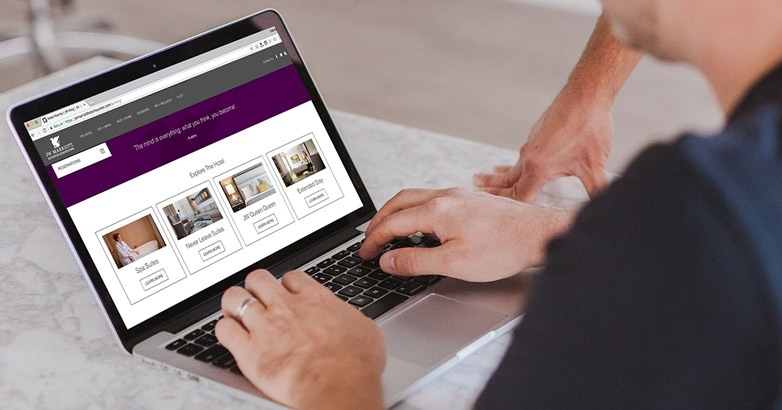
Work with a design team to craft a visual system that reflects your positioning. This includes logo, colors, fonts, icons, and photography guidelines. Your visuals should evoke emotion and consistency, so guests recognize your brand at every touchpoint.
5. Craft Your Brand Voice and Messaging
Develop tone-of-voice guidelines and messaging pillars. Define how your brand “speaks” in emails, web copy, signage, and social posts. Consistency here builds familiarity and trust.
6. Map the Guest Experience
Walk through every step of your guest journey, from the booking process to the post-stay follow-up. Identify opportunities to inject brand personality, from personalized confirmations to lobby scent design to handwritten notes in rooms.

7. Train Your Team
Your brand is only as strong as the people delivering it. Educate your staff on brand standards, service tone, and behavioral expectations. Every team member should act as a brand ambassador.
8. Launch and Monitor
Once your brand is in place, launch it consistently across channels. Then track key performance indicators (KPIs) to monitor impact: brand awareness, direct bookings, review scores, and guest sentiment.
Building a successful hotel brand is a continuous process—not a one-time project. But with the right foundation, your brand can become your most valuable asset.
Elevate Your Hospitality Brand Today
Schedule Your Free Consultation
Seeking to elevate your business? Let Mediaboom guide you. Secure your exclusive, free consultation with our digital marketing experts today.
Beat Out the Competition
According to research, people prefer to connect with companies with reliable, reputable companies rather than those who do not.
With advances in offline and online technologies, the whole world has become your marketplace.
However, to profit from this, your business must draw awareness and stand out from the crowd.
- Half of the visitors (51%) click on the first two search results, and 92 percent click on the first page of the search results.
- About 5% of visitors reach the second page! On the other hand, most passengers are uncertain about the hotel brand to stay in (85%), and they prefer to arrange their trips using search engines (60%) over hotel websites (41 percent).
This suggests people use Google more than a particular hotel website or a comparison website.
So, branding your hotel can increase your credibility, providing your clients with a reason to choose you over your competitors.
WHAT OUR CLIENTS SAY
Build Consumer Trust
Whatever you feel about Starbucks, you can contest that they’re trustworthy.
The Starbucks experience (and coffee) is essentially the same everywhere you travel in the world. It’s an offshoot of their identity. Hotels are everywhere. In reality, this is how bigger hotel chains build loyalty: they provide a consistent, dependable experience across several facilities.
Branding is also crucial for small and independent hotels.
Consider that your hotel’s customer journey begins online. Creating a cohesive brand from pre-booking to post-stay can allow you to find the ideal guests — and transform them into returning clients.
The style in which you promote your hotel branding can either build or destroy your reputation.
People have a high level of faith in OTAs.
So even if you’re able to get that buyer onto your website, you still have to prove that you’re legitimate.
A cohesive brand, social evidence reviews, and even live chat are all features that contribute to the trustworthiness of your hotel.

Turn Your Customers Into Ambassadors
According to Google Small Business, approximately 5% of word-of-mouth interactions occur online, while 82% occur in person.
Therefore, good branding is the only method to impact your guests’ face-to-face interactions.
While not always simple to monitor, how can you expect your passionate supporters to tell your brand’s story if you don’t make it crisp and relatable?
Investing in a captivating and clear brand experience will multiply the effect of your satisfied customers and provide you with a terrific ROI.

2026 Hotel Branding Trends
The hospitality industry continues to evolve rapidly, and branding in 2026 must keep pace with rising guest expectations, digital behavior, and social values. These hotel branding trends reflect where the market is heading and how you can stay ahead of competitors.
1. Hyper-Personalization at Scale
Guests expect more than a name on the welcome email. In 2026, leading hotels are using guest data to create tailored experiences across every touchpoint. From pre-arrival preferences to real-time room customization, personalization has become a branding necessity.
A report by McKinsey found that personalization can reduce acquisition costs by up to 50% and increase revenue by 5–15%.
2. Branding Through Digital Experiences
Digital experiences like AI‑powered bookings and consistent messaging across social platforms are no longer optional—they’re expected and best executed with guidance from a hotel marketing agency familiar with modern guest expectations.
For tips on strengthening this area, explore our full guide on hospitality digital marketing.

3. Immersive and Localized Guest Journeys
Branded experiences now feature interactive elements that connect guests with local culture. For example, AR-guided city tours, in-room voice assistants with destination stories, or curated partnerships with local creators. In addition, these experiences position your hotel as a gateway to authentic travel, rather than just a place to stay.
4. Sustainability as a Brand Pillar
Environmental responsibility isn’t just good practice, it’s a key differentiator. In 2026, hotels that embed sustainability into their brand story will attract eco-conscious travelers. From zero-waste amenities to green certifications and local sourcing, your values must show up in real actions.
According to Booking.com, 76% of travelers say they want to stay in a sustainable property.
5. Inclusive and Accessible Branding
Travelers expect brands to reflect their values, and that includes inclusivity. From gender-neutral marketing language to ADA-compliant design, modern hotel brands are removing barriers and representing diverse audiences authentically.
6. Data Protection as a Trust Signal
Brand trust hinges on transparency. With increasing concerns around digital privacy, your hotel’s ability to safeguard guest data while communicating how it’s used is a defining part of your brand identity in 2026.
Is Your Hotel Showing Up in ChatGPT?
Travelers are increasingly using AI tools to research destinations before they ever reach a booking site. See how your hotel appears in these AI-generated answers, where competitors or OTAs may be gaining visibility, and whether there are opportunities to strengthen your presence.
Social Responsibility and Inclusivity
Today’s travelers care about how and where they spend their money. In response, hotels are promoting inclusivity and actively supporting local communities. As a result, they build trust, enhance their reputation, and encourage guest loyalty.
This includes supporting local charities, implementing ethical sourcing practices, and promoting diversity and inclusion.
Inclusive design is also gaining traction, with hotels creating accessible environments for all guests.
Adapting to New Market Dynamics
- The rise of remote work has created opportunities for hotels to cater to digital nomads with flexible accommodations and co-working spaces. Short-stay and microstay options are also gaining popularity, as travelers seek more flexibility in their accommodation choices.
- Voice search is transforming how people find information, and hotels must optimize their online presence accordingly. By optimizing website content for voice search, hotels can increase their visibility and attract a wider audience.
- Protecting guest data privacy is paramount. Hotels must implement robust security measures and be transparent about data collection and usage practices.
By embracing these trends, hotels can create compelling brand experiences that resonate with modern travelers and drive long-term success.

Digital Branding and Online Presence
Your hotel’s digital presence is no longer a secondary branding channel, it’s the first impression most guests will have of your brand, especially when curated with strategy from a hotel marketing agency.
Whether guests discover your property through a Google search, Instagram reel, or a friend’s review, their first interaction is digital. That means your online assets must clearly and consistently reflect your brand identity, voice, and value proposition.
Why Digital Branding Matters
- 70% of travelers start their journey online—long before they commit to a booking [source].
- Guests form brand perceptions in seconds based on your site design, imagery, copy, and social proof.
- Inconsistent or outdated digital branding creates confusion, damages trust, and lowers conversion rates.
Core Elements of Strong Digital Branding
1. Website Design That Reflects Your Identity
Your website should immediately communicate your brand promise. Is your hotel elegant, creative, modern, or nature-focused? That tone should be clear through layout, photography, copy, and interactivity. Mobile responsiveness, speed, and UX all influence both SEO and bookings.
Make sure your booking engine, image galleries, and storytelling elements work together, not just functionally, but emotionally.
2. Visual and Content Consistency Across Channels
Use branded photography, cohesive fonts and colors, and aligned messaging across your website, email campaigns, and social media. Every channel should reinforce your voice and positioning, no matter where the guest finds you.
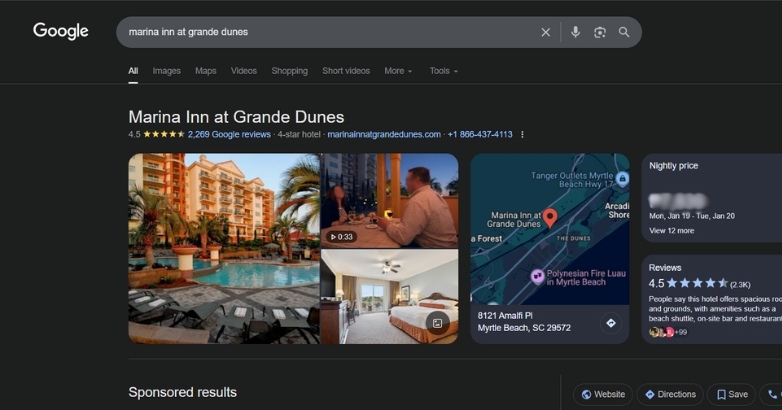
3. Optimized Google Business and OTA Profiles
Most guests check multiple sources before booking. Ensure your profiles on Google, Booking.com, and Tripadvisor reflect your brand identity, not just your rates. Descriptions, photos, and responses to reviews all influence how your brand is perceived.
4. Use of Story-Driven Digital Content
Branded blogs, behind-the-scenes videos, and local guides help you stay visible in search and build emotional resonance. Content marketing builds authority and supports your SEO, while reinforcing your brand story with every post.
5. Social Media as a Daily Brand Touchpoint
Guests engage with hotel brands on Instagram, Facebook, TikTok, and even LinkedIn. Keep your content authentic, on-brand, and focused on storytelling over sales. Highlight user-generated content, local experiences, and team culture to humanize your brand.
Your online presence is where your brand lives 24/7. Investing in digital branding is not just about being seen; it’s about being remembered, trusted, and booked.

Hotel Branding Tactics and Best Practices
Once you’ve defined your brand, the next challenge is keeping it consistent and alive, across every guest interaction. These branding tactics help you maintain clarity, grow recognition, and deliver a cohesive guest experience from pre-booking to post-stay.
Here are seven practical best practices to apply your brand effectively and consistently:
1. Prioritize First Impressions
Your brand’s first impression happens before check-in, often online. Make sure your website, booking platform, and Google Business profile align visually and tonally. Guests should get the same feeling from your mobile site as they do when walking into your lobby.
2. Invest in Branded Photography
Skip the stock images. Use professional, on-brand photography that reflects your hotel’s mood, values, and experience. Showcase real guests, real spaces, and signature details, visual authenticity strengthens trust and emotional connection.
3. Train Your Team as Brand Ambassadors
Your staff are the living expression of your brand. Equip them with brand guidelines, tone-of-voice coaching, and service protocols that reflect your mission. Whether it’s a front desk greeting or a room service call, consistency builds recognition.
Elevate Your Hospitality Brand Today
Schedule Your Free Consultation
Seeking to elevate your business? Let Mediaboom guide you. Secure your exclusive, free consultation with our digital marketing experts today.
4. Use Sensory Branding
Go beyond visuals. Curate playlists for shared spaces, introduce a signature scent, or serve a welcome drink tied to your hotel’s personality. Sensory elements leave lasting emotional impressions and help your brand stay top-of-mind.
5. Maintain a Cohesive Brand Voice
Every message matters. From confirmation emails to Instagram captions, your tone should sound like it’s coming from one clear voice. Whether your brand is sophisticated, warm, or witty, stick with it across all content.
6. Refresh Without Losing Your Core
Trends change, but your brand identity should evolve with intention. Use guest feedback, performance data, and market trends to refine your visuals or messaging while staying grounded in your values.
7. Collaborate With Local Influencers
Partner with content creators who share your audience and values. Offer them a branded stay and ask for natural content creation, photos, videos, stories, that show your hotel experience from a guest’s point of view. Influencer content builds trust faster than ads.
A strong hotel brand lives in the details. These best practices help you apply your brand strategy consistently, on property, online, and everywhere your guests engage with you.
The Best Hotel Branding Examples
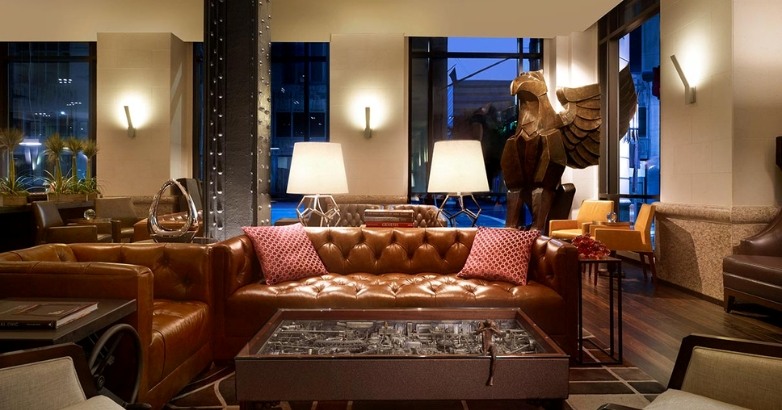
Looking for inspiration to shape your hotel’s identity? These top hotel brands excel at branding by consistently delivering experiences that align with their core values. Each of them tells a compelling story and builds trust at every guest touchpoint.
1. The Ritz-Carlton
Why it works: The Ritz-Carlton has made luxury its brand promise and delivers it consistently. Every interaction reinforces the idea of elevated, personalized service, from the gold lion emblem to their “$2,000 rule” that empowers employees to resolve guest issues without manager approval.
Takeaway: A powerful brand promise backed by empowered staff creates memorable experiences that feel authentic.
2. Six Senses
Why it works: Six Senses integrates wellness, sustainability, and design into every stay. Whether it’s an island resort or city spa, the brand uses local ingredients, sensory environments, and eco-forward practices to support its values.
Takeaway: Your brand identity should be lived, not just marketed through your amenities, sourcing, and experiences.
3. Ace Hotel
Why it works: Ace speaks to creatives, locals, and travelers who value community and culture. Each property reflects the vibe of its neighborhood with art installations, events, and interiors sourced from local talent.
Takeaway: Local relevance builds brand identity. A shared philosophy across locations doesn’t mean uniform design; it means consistent intent.
4. citizenM
Why it works: With the motto “affordable luxury for the mobile citizen,” citizenM targets digital-savvy travelers who want smart design and efficiency. Their branding is playful, bold, and tech-forward—from self-check-in kiosks to app-controlled rooms.
Takeaway: A well-defined target audience allows you to make bold design and messaging choices that resonate.
5. Capella Hotels and Resorts
Why it works: Capella blends heritage, luxury, and local storytelling. Voted the world’s top hotel brand last year, it stands out through intuitive service and deeply cultural guest experiences.
Takeaway: High-end brands succeed by connecting emotional luxury with local authenticity.
6. 25hours Hotels
Why it works: Each 25hours property is unique, themed, and rooted in local partnerships. From urban jungle designs to museum collaborations, they surprise guests with bold creativity while staying fun and accessible.
Takeaway: A playful, personality-driven brand can win loyalty when the story is strong and the execution consistent.
7. Aman
Why it works: Aman embodies minimalism, privacy, and quiet luxury. From architecture to service style, every element aligns with their elite positioning.
Takeaway: Less is more, when every design and operational choice reinforces your brand values, simplicity becomes a statement.

Measuring Your Hotel Brand Success
You can’t manage what you don’t measure. Once your hotel brand is live, it’s important to track how well it’s resonating with guests—and how it’s impacting your business.
Strong branding drives results, but to prove its value, you need clear metrics and tools in place. Here’s how to measure your brand’s performance across visibility, guest perception, and revenue impact.
1. Brand Awareness Metrics
How many people recognize or recall your hotel brand?
- Direct traffic: An increase in direct visits to your website often signals stronger brand awareness.
- Branded search volume: Track how often guests are searching for your hotel name specifically.
- Social mentions: Monitor how frequently your hotel is mentioned across social platforms.
- Media/influencer coverage: Count how often you’re featured organically by trusted sources.
2. Guest Perception & Loyalty
Does your brand messaging match how guests actually feel?
- Online reviews: Analyze sentiment, not just star ratings. Do reviews mention brand values (service, experience, etc.)?
- Net Promoter Score (NPS): Survey past guests with one simple question, “How likely are you to recommend us?” This tracks satisfaction and advocacy.
- Guest return rate: Repeat bookings reflect both satisfaction and brand trust.

3. Revenue & Performance KPIs
How is branding influencing the bottom line?
- Direct bookings: A rise in direct bookings (vs OTAs) signals stronger brand confidence.
- Revenue per available room (RevPAR): Measure how well branding supports pricing power and occupancy.
- Average Daily Rate (ADR): Strong brands can often command higher rates without increased churn.
- Upsell and cross-sell performance: Branded offers (spa packages, upgrades) tend to perform better with a clear brand story.
4. Brand Consistency Audit
Is your brand being delivered consistently across all touchpoints?
Conduct a quarterly audit of:
- Website and booking engine
- Social media content and tone
- Guest communications (emails, confirmations, post-stay follow-ups)
- On-property experience (staff tone, signage, amenities)
Tip: Use guest surveys post-checkout to ask if their experience matched what they expected from your digital presence. Misalignment is often a red flag.
Is Your Hotel Showing Up in ChatGPT?
Travelers are increasingly using AI tools to research destinations before they ever reach a booking site. See how your hotel appears in these AI-generated answers, where competitors or OTAs may be gaining visibility, and whether there are opportunities to strengthen your presence.
Brand Reputation and Crisis Management
In hospitality, reputation is everything. One negative incident, if handled poorly, can undermine years of careful branding. That’s why brand reputation management must be built into your hotel branding strategy from day one.
Why Reputation Is Part of Your Brand
Your brand isn’t just what you say, it’s what guests experience and share. Online reviews, social media feedback, and guest stories shape public perception. In fact, over 90% of travelers read reviews before booking [source].
The way you respond to praise and criticism directly influences how your brand is perceived.
Tactics for Managing Brand Reputation
1. Monitor Brand Mentions Daily
Use tools like Google Alerts, ReviewPro, or Hootsuite to stay on top of online conversations. Track keywords related to your hotel name, experience, and location.
2. Respond to Reviews, Not Just the Good Ones
Responding to positive reviews reinforces your brand values and shows appreciation. But timely, thoughtful replies to negative feedback show responsibility and care, traits that build long-term trust.
Tip: Avoid templated responses. Address the guest’s specific experience, restate your brand values, and offer a resolution when possible.

3. Train Staff on Brand-Centered Communication
Equip your team to de-escalate concerns with empathy and professionalism. Every guest interaction, especially under pressure, should reflect your core values.
4. Build Brand Equity Before Crisis Hits
Your hotel brand’s goodwill acts as a buffer during tough times. Consistently delivering on your brand promise builds credibility, so that if issues arise, guests and partners are more likely to give you the benefit of the doubt.
Crisis Management Best Practices
A well-prepared response plan can turn a potential disaster into a brand-building opportunity.
- Have a crisis communication plan: Prepare message templates for common scenarios (delays, outages, service issues, etc.).
- Designate a spokesperson: Ensure a trained individual, preferably in leadership, handles all public messaging.
- Lead with transparency: Own the issue early, explain what happened, and share how you’re addressing it.
- Reinforce your values: Use the moment to remind guests what your hotel stands for—especially how you prioritize guest experience and safety.
FAQs
I. What is the difference between hotel branding and marketing?
Hotel branding is about defining your hotel’s identity, its look, feel, personality, and values. It creates the emotional connection that sets you apart.
Hotel marketing is the act of promoting that identity through campaigns, content, and outreach. Branding builds the foundation; marketing spreads the message and drives bookings.
II. What is the concept of a hotel brand?
A hotel brand is your hotel’s unique personality. It includes your visual identity, voice, service style, and overall guest experience.
A strong brand tells guests what you stand for, builds recognition, and creates emotional loyalty, helping you stand out in a competitive market.
III. How long does it take to build a strong hotel brand?
It takes time. You might see early improvements in guest feedback or online performance within months, but building a lasting brand that drives loyalty, reputation, and revenue requires consistent delivery and refinement over the long term.
IV. Can a small independent hotel compete with large hotel chains in terms of branding?
Absolutely. Independent hotels can win by highlighting their unique story, offering personalized service, and targeting niche audiences. You don’t need the budget of a global chain, just a clear message, consistent experience, and strong digital presence.
V. How important is social media for hotel branding?
Social media plays a major role in branding. It’s often where guests discover your hotel, engage with your personality, and decide whether they trust you. When your content aligns with your brand values, it can drive awareness, loyalty, and bookings.
VI. How can I measure the success of my hotel branding efforts?
Start by tracking:
– Brand awareness: direct traffic, branded searches, social mentions
– Guest satisfaction: online reviews, survey scores, Net Promoter Score
– Loyalty: repeat bookings, membership engagement
– Revenue impact: ADR, RevPAR, direct bookings vs OTAs
These metrics give you a clear picture of how your branding supports growth.
Still Have Questions?
Contact us today to learn how we can help you build a powerful hotel brand.
Elevate Your Hospitality Brand Today
Schedule Your Free Consultation
Seeking to elevate your business? Let Mediaboom guide you. Secure your exclusive, free consultation with our digital marketing experts today.
Hire a Luxury Hotel Marketing Agency Today
Your hotel brand is more than your visuals; it’s the experience you promise, the emotions you create, and the reputation you build over time.
From audience research and positioning to digital strategy and guest experience, every element of your brand should work together to build recognition, trust, and long-term loyalty. In today’s competitive hospitality market, branding isn’t optional; it’s the difference between blending in and being remembered.
Ready to Build a Hotel Brand That Stands Out?
- Attract the right guests with a clearly defined brand identity
- Boost direct bookings through consistent messaging across all platforms
- Build loyalty and trust that drives long-term growth
Mediaboom helps luxury and lifestyle hotels create branding that performs, online and on property. Contact our hotel marketing experts today to start building a brand your guests won’t forget.
By: Frank DePino
Frank DePino is the Principal and Founder of Mediaboom, a top hotel marketing agency partnering with leading hotel and hospitality brands. With 30+ years of experience, he has led strategic digital initiatives for names including Four Seasons, Ritz-Carlton, JW Marriott, Millennium Partners, and Guardian Jet. Frank helps hospitality businesses strengthen brand presence, drive qualified leads, and elevate guest experiences through website design, SEO, content marketing, and paid media. Under his leadership, Mediaboom is a trusted partner for brands pursuing measurable digital growth in a competitive hospitality landscape.