




AI in the Hotel Industry 2026 – All Applications & Benefits

By: Frank DePino | December 30, 2025


Loading the Elevenlabs Text to Speech AudioNative Player...
AI in hotel industry has moved from concept to competitive edge with many hotels seeking insights from a hotel marketing agency to align these technologies with strategic guest engagement.
Today, it’s adjusting room prices in real time, anticipating guest preferences, and optimizing back-end operations all without guests even noticing. The results? Higher revenue, smoother service, and better reviews.
In this guide, you’ll learn how leading hotels are using AI today, what tools are delivering real results, and how your property can tap into the future of hospitality now.
Here’s what we’ll cover:
- Core AI Applications in Hospitality
- Strategic Benefits of AI in Hotels
- Implementation Best Practices
- FAQs
- Conclusion
Download Our FREE Guide
Outrank OTAs & Drive Direct Bookings With Our Hospitality Digital Marketing Guide
Learn how leading hotels increase website traffic, reduce OTA commissions, and convert more guests with targeted digital marketing strategies.
Core AI Applications in Hospitality
AI in hotel industry is no longer an experiment; it’s a proven driver of guest satisfaction and revenue.
From independent boutiques to global chains, hotels are already using AI to:
- Deliver highly personalized guest experiences
- Optimize room pricing based on real-time market data
- Automate staff scheduling and predictive maintenance
- Cut energy waste and streamline operations
- Analyze guest feedback across all platforms
Stat to know: According to a 2025 Deloitte report, 78% of hospitality leaders plan to increase AI investments in the next 12 months, focusing on guest experience and revenue management.
Each of the following sections breaks down one of these core use cases with examples you can replicate.

Personalized Guest Experiences
It is redefining personalization, giving your guests more than just a name on a welcome card. It allows you to tailor every interaction based on data, preferences, and timing.
Guests now expect seamless, intuitive experiences. AI delivers that by:
- Pre-setting room preferences like temperature, lighting, and bed type before arrival
- Offering targeted promotions for upgrades, spa bookings, or late check-outs based on behavior
- Using multilingual AI chatbots to provide 24/7 support, without overloading your staff
- Letting guests control in-room environments through voice or mobile apps
At Hilton, this level of personalization is already in use. Their Connected Room technology lets guests adjust lighting, TV, and room temperature through their smartphone or the Hilton Honors app, even before stepping inside. By syncing with loyalty data, Hilton created a seamless, personalized experience that scales across properties.
The results were clear: guest satisfaction scores rose by 20% among Connected Room users. What makes Hilton’s strategy so effective is how they built it on systems they already had, making it replicable for any hotel with a mobile app and loyalty program integration.
These types of AI-driven experiences don’t just impress guests; they deepen loyalty and set a new standard for what a stay should feel like.
Download Our FREE Guide
Outrank OTAs & Drive Direct Bookings With Our Hospitality Digital Marketing Guide
Learn how leading hotels increase website traffic, reduce OTA commissions, and convert more guests with targeted digital marketing strategies.
Operational Efficiency and Automation
AI in hotels is transforming how hotels operate behind the scenes, automating routine tasks, predicting service needs, and optimizing performance without adding headcount.
Instead of reacting to problems, you can anticipate them. That means fewer service interruptions, faster turnaround times, and better use of your team’s time.
AI-driven tools now handle:
- Staff scheduling, matching shift patterns to demand forecasts and events
- Predictive maintenance, flagging equipment issues before breakdowns occur
- Automated inventory tracking, helping teams replenish supplies in real time
- Frictionless check-in and check-out, reducing wait times and front desk congestion
At Marriott, AI-powered predictive maintenance is already producing results. By deploying smart monitoring across HVAC and critical systems, the hotel group reduced equipment failures by 25% across selected properties, all without increasing staff or budget.
What Makes It Stand Out:
Marriott’s approach used existing systems and data to prevent costly disruptions. Any hotel with connected infrastructure can replicate this by layering AI tools on top of its property management and facility systems.
From labor savings to fewer guest complaints, this type of automation creates operational consistency that scales.
Revenue Optimization and Dynamic Pricing
Room pricing used to be reactive. With AI, it’s now proactive, adjusting rates in real time based on actual demand, competitor activity, and guest behavior.
Hotels are using dynamic pricing tools to stay competitive while protecting profitability. At CitizenM, AI-powered pricing helped drive an 18% increase in RevPAR by analyzing market trends and guest data to optimize not just room rates, but upsell timing and offers.
What Makes It Stand Out:
CitizenM integrated AI into its existing tech stack, making the solution scalable without a full system overhaul.
This approach can be replicated by any hotel using a modern PMS and revenue toolset. Machine learning also supports upselling by identifying the best moments to suggest room upgrades or packages.
AI-driven direct booking personalization gives your website an edge, and a hotel marketing agency can help tailor these offers to convert more visitors without relying on OTAs.
In short, pricing strategy is no longer guesswork. AI in hotel industry revenue management is making every rate and every offer smarter.
Smart Facilities and Technology Integration
Smart room technology is no longer a luxury; it’s becoming a guest expectation.
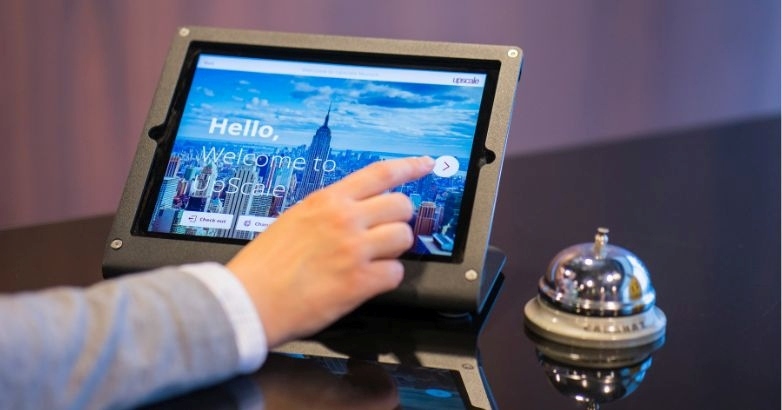
Today’s travelers want control, comfort, and convenience. Hotels are responding with AI-driven tools that anticipate guest needs and reduce energy waste, all while enhancing the stay.
- Voice or app-controlled lighting, temperature, and entertainment systems
- Automated energy management based on occupancy and weather data
- AR/VR room previews that boost booking confidence before arrival
At Accor Hotels, voice-enabled smart rooms let guests adjust in-room settings with simple commands. The system also learns patterns and adjusts over time to deliver a more personalized experience.
What Makes It Stand Out:
Accor reported a 32% increase in guest satisfaction scores in rooms using voice control. The setup used widely available smart home tech, making it scalable across multiple property types.
Energy optimization plays a role, too. AI fine-tunes heating and cooling systems based on room usage, helping hotels lower utility costs while aligning with growing sustainability demands.
Hotels that adopt this technology not only impress tech-savvy guests they also future-proof their operations with smarter, leaner infrastructure.

AI-Powered Decision Support and Analytics
Hotels manage thousands of data points every day AI turns that into clear, actionable insights.
By centralizing data from systems like PMS, CRM, and guest feedback tools, AI helps hotels:
- Forecast demand and occupancy more accurately
- Monitor guest sentiment and address issues early
- Make real-time decisions on pricing, staffing, and marketing
IHG uses an AI-based sentiment engine to track reviews and social media across properties. When lighting complaints surfaced across five locations, they acted quickly, reducing negative reviews the following quarter.
What Makes It Stand Out:
IHG turned scattered guest feedback into fast, data-backed improvements without a system overhaul. Hotels with access to review platforms and analytics tools can do the same.
With AI, decisions become faster, smarter, and easier to scale.
Strategic Benefits of AI in Hotels
AI isn’t just about cool gadgets, it’s about creating meaningful improvements for both guests and the business, which is why many properties consult a hotel marketing agency to integrate technology into their overall strategy. When done right, AI in hotel industry becomes a strategic advantage, helping properties attract, delight, and retain guests while running a tighter, more profitable operation.

Personalized Guest Experiences
Think of AI as your memory, only sharper and tireless. It remembers the little things: the guest who always asks for a corner room, the couple who prefers late check-outs, the business traveler who orders the same breakfast every trip.
By using tailored recommendations, AI suggests spa treatments, dining options, or activities that feel personal rather than generic. With in-room personalization, lighting, temperature, and entertainment are set exactly the way a guest likes them. Over time, this consistency builds loyalty, because guests feel seen, remembered, and valued.
Operational Efficiency
Hotels run on hundreds of small tasks that keep everything moving, and AI is like the backstage crew that ensures the show goes on without a hitch.
Smart scheduling keeps staff levels just right for each shift, avoiding both wasted hours and overworked teams. Predictive maintenance steps in before breakdowns happen, keeping everything from elevators to kitchen appliances in top shape.
And with faster guest services, whether that’s check-in, room service requests, or concierge assistance, staff can focus on moments that truly require a human touch.
Revenue Growth
AI isn’t only about saving money, it’s about making more of it, too.
Dynamic pricing optimization helps you respond to demand in real time, so you never leave money on the table during high season, or lose bookings with overpriced rooms in low season.
Meanwhile, targeted upselling and cross-selling offers guests upgrades or extras at the exact point when they’re most likely to say yes. And by improving direct booking growth through personalized website offers, you can keep more revenue in-house instead of handing it to third-party platforms.
Enhanced Decision-Making
When you have a mountain of data, AI is the guide that tells you what’s worth looking at.
With centralized analytics dashboards, you can see your property’s full performance picture in real time. Demand forecasting makes it easier to plan promotions and staff allocation, while guest sentiment analysis turns online chatter into actionable insights.
This means decisions are based on facts and patterns, not guesswork.
WHAT OUR CLIENTS SAY
Sustainability and Energy Savings
For eco-conscious travelers, sustainable operations are a selling point, and AI makes it easier to deliver.
Through smart energy management, AI automatically adjusts heating, cooling, and lighting based on occupancy and outside weather. Predictive resource allocation helps reduce water and electricity usage without affecting comfort.
The best part? These choices help the planet and cut long-term operating costs.
Elevate Your Hospitality Brand Today
Schedule Your Free Consultation
Seeking to elevate your business? Let Mediaboom guide you. Secure your exclusive, free consultation with our digital marketing experts today.
Improved Guest Engagement
In hospitality, great communication is as important as great bedsheets.
AI enables 24/7 chatbot support, so guests get instant answers in multiple languages no matter the time, and a hotel marketing agency can help position these features in campaigns that boost satisfaction and bookings. Proactive service notifications anticipate needs before the guest even has to ask.
And with the right human-AI balance, the technology handles routine questions while your team focuses on personal touches that leave a lasting impression.

Implementation Best Practices
Rolling out AI in hotel industry isn’t about plugging in a new system and calling it a day. It’s about making smart choices, starting small, and keeping both staff and guests in mind. Here’s how hotels can do it right.
Start with Pilot Programs in High-Impact Areas
Big changes work best when they start small. Choose a few areas where AI can make an immediate difference, like chatbots for guest questions, predictive maintenance for critical systems, or automated revenue management.
Run these as pilots. You’ll see results faster, take fewer risks, and get valuable feedback from both staff and guests before expanding further.

Ensure Data Integration Across Systems
AI is only as smart as the data it has access to. That means connecting your PMS, CRM, and revenue management platforms so they share accurate, real-time information.
It also means keeping data clean, no duplicate records, no outdated guest info, and making sure all departments can see the same insights. This way, marketing, operations, and guest services are all pulling in the same direction.
Maintain a Balance Between Automation and Human Interaction
The magic happens when AI and people work together. Let AI handle the repetitive, time-consuming jobs, like booking confirmations, FAQs, and basic room service requests, so staff can focus on conversations, problem-solving, and personal touches.
Train your team on how to use AI tools as a support system rather than seeing them as competition. This mindset keeps service both efficient and human.
WHAT OUR CLIENTS SAY
Measure ROI and Guest Satisfaction to Guide Scaling
Don’t just roll out AI and hope for the best, track it. Define clear KPIs, whether it’s revenue growth, reduced costs, faster response times, or improved guest satisfaction.
Use this data to fine-tune your AI tools, and celebrate early wins with your team. When people see tangible results, they’re more likely to embrace new tech.
Future Outlook: What’s Next for AI in Hotels
The future of AI in hotel industry isn’t just about more automation, it’s about smarter, more connected systems that feel seamless for guests and staff alike. Here’s a look at what’s coming down the road.
Real-Time Translation Becomes Standard
Picture a guest speaking in their own language at check-in, and your front desk hears it instantly in theirs. That’s where AI-powered translation is headed, helping guests feel welcome and staff feel confident in any conversation.

Fully Integrated AI Ecosystems
Instead of having separate tools for pricing, service requests, and maintenance, hotels will move toward AI systems that connect everything, from PMS to IoT devices, into one brain. That means issues get solved before they become problems, and opportunities are spotted automatically.
Generative AI as a Service Layer
Generative AI will play a bigger role in crafting personalized messaging, travel itineraries, and dining suggestions, offering hospitality marketing artificial intelligence examples that feel tailored to each guest. On the operations side, staff will simply ask questions in plain language and get answers instantly from a central knowledge base.
Vision + IoT for Housekeeping and Maintenance
Cameras and sensors, used responsibly, will help ensure rooms are turned quickly and nothing is overlooked. AI will also predict equipment issues before guests even notice, keeping reviews positive and interruptions rare.
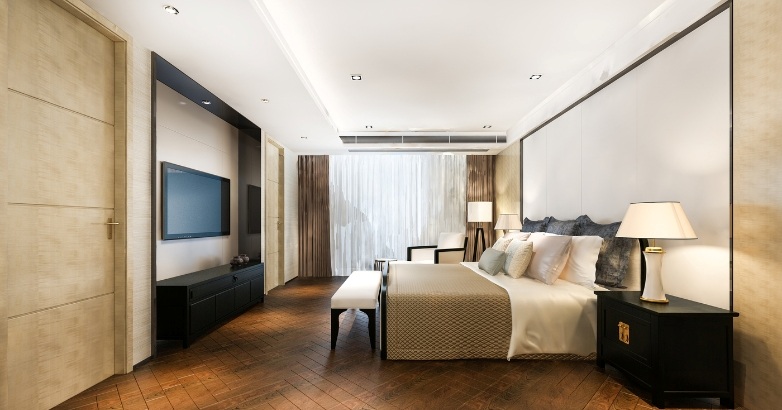
Voice-First, Privacy-First Smart Rooms
Voice commands will control everything from lights to blinds, with processing happening locally for privacy. Guests can enjoy the convenience without worrying about their data sticking around after check-out.
Revenue Management Grows More Context-Aware
Future AI models will pull in more real-time data, like flight delays, weather changes, and trending events, to make pricing and packaging even more precise. This won’t just apply to rooms, but to spa services, dining, and experiences as well.
Guest Expectations Shift Upward
As AI becomes standard, guests will expect more, faster replies, personalized touches, and smooth problem-solving. Hotels that blend tech efficiency with genuine hospitality will stand out.
Governance, Security, and Data Rights Mature
With more AI comes more responsibility. Hotels will need stronger policies around guest consent, data use, and model oversight to keep trust high and risks low.
FAQs
I. What are the advantages of AI in the hospitality industry?
AI offers several key advantages in hospitality. It helps automate routine tasks like check-ins, bookings, and customer inquiries—freeing up staff to focus on high-value interactions. It enables personalized guest experiences through data analysis, such as tailoring recommendations or services based on preferences.
II. How will AI affect the hotel industry?
AI will streamline operations, enhance guest service through personalization, support predictive maintenance, and enable smarter pricing and booking systems.
III. What is AI and what are its application and benefits?
AI (Artificial Intelligence) refers to systems that mimic human intelligence. In hospitality, it helps with chatbots, dynamic pricing, demand forecasting, and personalization—leading to better service and operational efficiency.
IV. How to use AI in hotel customer service?
Use AI-powered chatbots for 24/7 guest support, virtual assistants for concierge services, sentiment analysis tools to monitor feedback, and automation to handle bookings or common inquiries.
Elevate Your Hospitality Brand Today
Schedule Your Free Consultation
Seeking to elevate your business? Let Mediaboom guide you. Secure your exclusive, free consultation with our digital marketing experts today.
Conclusion
AI in hotel industry is already reshaping operations, and the properties embracing it now are setting the standard for tomorrow.
Every day you wait is another day competitors are using smarter pricing, faster service, and more personalized guest experiences to win market share. The tools are ready. The results are proven. It’s time to decide whether your hotel will lead the change or be left chasing it.
By: Frank DePino
Frank DePino is the Principal and Founder of Mediaboom, a top hotel marketing agency partnering with leading hotel and hospitality brands. With 30+ years of experience, he has led strategic digital initiatives for names including Four Seasons, Ritz-Carlton, JW Marriott, Millennium Partners, and Guardian Jet. Frank helps hospitality businesses strengthen brand presence, drive qualified leads, and elevate guest experiences through website design, SEO, content marketing, and paid media. Under his leadership, Mediaboom is a trusted partner for brands pursuing measurable digital growth in a competitive hospitality landscape.


