Tourism Email Marketing – Proven Best Practices

By: Frank DePino | October 22, 2025


Loading the Elevenlabs Text to Speech AudioNative Player...
Email marketing remains one of the most powerful tools for the tourism industry, especially when supported by a hotel marketing agency to deliver personalized messages directly to potential travelers, driving bookings, encouraging repeat visits, and fostering long-term loyalty. In fact, research shows that every $1 spent on email marketing can generate up to $40 in return, making it an indispensable tool for tour operators, hotels, and activity providers.
Tourism email marketing involves sending targeted emails to potential or existing travelers with the goal of promoting destinations, tours, travel packages, or special offers, a strategy that a hotel marketing agency can enhance to increase engagement and conversions. These campaigns are designed to inspire bookings, provide valuable travel information, and maintain engagement with audiences throughout their journey, from initial interest to post-trip follow-up.
This article focuses on actionable strategies specifically tailored for tour and activity providers, helping them maximize their email campaigns and achieve higher engagement and conversion rates.
Read on to explore practical techniques, automation tips, segmentation strategies, and content ideas that can transform your tourism email marketing efforts.
Table of Contents
- The Power of Email Marketing in Tourism
- Key Strategies for Effective Tourism Email Campaigns
- Tools and Automation for Efficiency
- Measuring Success and Continuous Improvement
- Overcoming Common Challenges
- Conclusion
The Power of Email Marketing in Tourism
For travel agencies, tour operators, and activity providers, tourism email marketing isn’t just another marketing channel, it’s a direct revenue engine. Personalized emails allow you to speak to travelers based on their interests, past trips, and engagement patterns, delivering highly relevant offers that convert. Studies show that every $1 spent on email marketing can generate up to $40 in revenue, making it one of the highest-ROI strategies in the travel industry.
Beyond immediate bookings, well-crafted campaigns foster loyalty, repeat business, and long-term customer relationships, which are critical for tourism businesses competing in a crowded market. By combining automation, segmentation, and compelling storytelling, tourism operators can transform casual interest into confirmed trips, ensuring their marketing is both efficient and profitable.
For practical guidance on turning your emails into a growth driver, check out our Hotel Email Marketing Examples or explore how a hotel marketing agency can tailor your strategies for maximum impact.
Key Strategies for Effective Tourism Email Campaigns
1. Segment Your Audience for Maximum Relevance
Effective tourism email marketing starts with audience segmentation. Divide your subscribers into groups such as families, adventure travelers, luxury tourists, or solo travelers. For example, a tour operator can send family-friendly itineraries with kid-friendly activities to parents while offering exclusive wine tours to luxury travelers. Tools like Mailchimp, ActiveCampaign, or Klaviyo make it easy to segment lists based on past bookings, geographic location, or engagement. This ensures each email is highly relevant, increasing open rates and conversions.
Practical Tip: Create 3–5 core segments and tailor at least one email campaign per segment per month.
2. Personalize Every Message
Generic promotions rarely drive action. Personalization can include using the subscriber’s name, referencing past trips, or suggesting experiences similar to what they previously booked. For instance, if a traveler booked a city walking tour last summer, you can email them with “Discover Hidden Gems on Your Next City Adventure.” Personalized campaigns can increase open rates by up to 29% and drive higher revenue.
Practical Tip: Use dynamic content blocks in your email platform to automatically show different offers to different segments based on behavior or location.
3. Leverage Automation to Stay Top-of-Mind
Automation is a powerful way to maintain engagement without constant manual effort. Examples include:
- Welcome emails for new subscribers with an incentive, such as “10% off your first tour booking.”
- Abandoned booking reminders: “Did you forget to book your sunset cruise?”
- Post-trip follow-ups asking for reviews or offering personalized recommendations for the next trip.
Automation ensures your marketing is timely, consistent, and revenue-driven, while also improving the customer experience.
Practical Tip: Set up at least three automated sequences: welcome, abandoned booking, and post-trip follow-up.
Download Our FREE Guide
Outrank OTAs & Drive Direct Bookings With Our Hospitality Digital Marketing Guide
Discover how top hospitality brands grow their online presence, attract high-value guests, and increase direct revenue—without over-relying on third-party platforms.
4. Craft Compelling Content and Strong CTAs
Emails need to inspire action. Use high-quality images of destinations, user-generated photos from previous guests, or short travel videos. Pair visuals with engaging storytelling, for instance, “Explore the secret beaches only locals know” rather than just listing destinations. Clear calls-to-action (CTAs) like “Book Now,” “Reserve Your Adventure,” or “Unlock Exclusive Packages” guide subscribers toward booking.
Example: A hotel working with a hotel marketing agency could send a summer email campaign featuring a short story about a romantic getaway, with a CTA button linking directly to a ‘Book Your Stay’ landing page.
Practical Tip: Keep CTAs above the fold and use contrasting colors to make them stand out. For inspiration, see our Hotel Email Marketing Examples page.
5. Test, Analyze, and Optimize Continuously
No campaign is perfect the first time. Use A/B testing on subject lines, imagery, copy, and CTAs to see what drives engagement for each segment. Monitor metrics like open rates, click-through rates, and conversions to refine future campaigns. For example, test “Unlock Your Summer Adventure” vs. “Discover Hidden Gems This Summer” to see which generates more bookings. Regular optimization ensures your tourism email marketing stays effective, relevant, and profitable.
Practical Tip: Schedule monthly reviews of campaign performance and implement at least one improvement based on data each month.
Tools and Automation for Efficiency
1. Choose the Right Email Marketing Platform
Selecting a reliable email marketing tool is the foundation of effective tourism email marketing. Platforms like Mailchimp, ActiveCampaign, Klaviyo, or HubSpot allow you to manage subscriber lists, automate campaigns, segment audiences, and track performance. For example, a tour operator can use automation workflows to automatically send a “Booking Confirmation” email with itinerary details immediately after a customer completes a reservation.
Practical Tip: Evaluate tools based on your list size, automation capabilities, and reporting features. Start with a free trial to test usability before committing.
2. Automate Repetitive Tasks
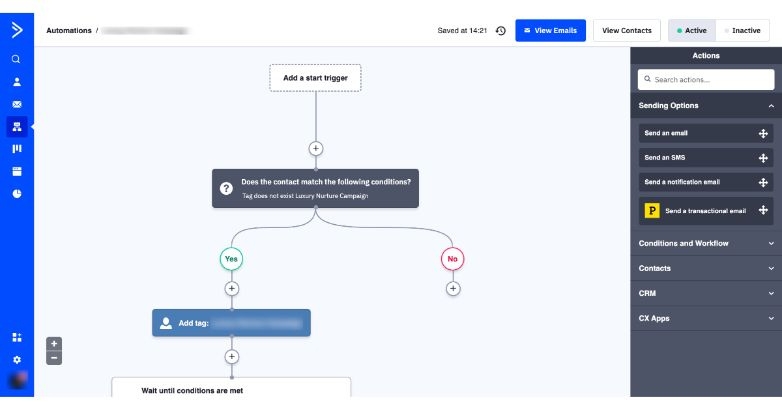
Automation saves time and ensures your campaigns reach the right audience at the right moment. Examples include:
- Welcome sequences for new subscribers with travel guides or discounts.
- Abandoned cart reminders for customers who start booking but don’t complete it.
- Birthday or anniversary emails with personalized offers.
Automated campaigns not only increase engagement and bookings but also provide a consistent, professional experience for travelers.
Practical Tip: Set up at least three automated sequences: welcome, abandoned booking, and post-trip follow-up. Platforms like ActiveCampaign and Klaviyo allow you to customize triggers based on behavior, location, or previous bookings.
3. Integrate With CRM and Booking Systems
Integrating your email platform with your CRM or booking software creates a seamless flow of data. For instance, if a customer books a tour through your website, the system can automatically update their profile and trigger targeted follow-up emails, such as upsells, add-on experiences, or loyalty program invitations. This ensures personalization at scale without manual effort.
Practical Tip: If you use a booking system like Regiondo or Rezdy, check for native integrations with your email provider to streamline workflows.
4. Use Data and Analytics to Optimize Campaigns
The best tools provide real-time analytics on opens, clicks, conversions, and ROI. For example, you can track which travel packages perform best and refine future campaigns accordingly. Over time, analyzing data helps you segment your audience more effectively and improve engagement metrics.
Practical Tip: Schedule weekly or monthly analytics reviews and adjust content, timing, and targeting based on the results. Combine this with A/B testing for continuous improvement. For more on maximizing email effectiveness, see our Digital Marketing for the Travel Industry guide.
Elevate Your Hospitality Brand Today
Schedule Your Free Consultation
Seeking to elevate your business? Let Mediaboom guide you. Secure your exclusive, free consultation with our digital marketing experts today.
Measuring Success and Continuous Improvement
Track the Right Metrics
In tourism email marketing, knowing what works is just as important as crafting the campaign itself. Key metrics include:
- Open Rate: Measures how many subscribers opened your email. A high open rate often indicates a compelling subject line.
- Click-Through Rate (CTR): Shows how many clicked on your links or CTAs, helping you gauge interest in offers.
- Conversion Rate: Tracks how many recipients completed a desired action, such as booking a tour or signing up for a package.
- Bounce Rate and Unsubscribe Rate: Monitor email health and list quality.
Practical Tip: Use email platforms like Mailchimp or ActiveCampaign that provide dashboards with all these metrics in one place for easy analysis.
Conduct A/B Testing for Continuous Improvement
A/B testing is essential to refine your campaigns over time. Test variations of:
- Subject lines: “Exclusive Summer Adventure Awaits” vs. “Unlock Your Dream Vacation”
- Email visuals: professional photography vs. user-generated content
- CTAs: “Book Now” vs. “Reserve Your Spot”
Example: A tour operator may find that emails with a vibrant hero image of a destination result in a 20% higher CTR than text-only emails. Over time, these insights help improve engagement and revenue.
Practical Tip: Test one element at a time for accurate results and apply the winning approach to future campaigns.

Segment Results for Deeper Insights
Analyzing metrics by audience segment, families, solo travelers, adventure seekers, or luxury clients, can reveal which offers and content resonate best with each group. This allows you to optimize campaigns based on real user behavior, not assumptions.
Practical Tip: Use insights to tailor content for underperforming segments. For example, if luxury travelers click more on curated packages than standard promotions, create more high-end offer emails.
Refine Frequency and Timing
Over-emailing can lead to unsubscribes, while infrequent emails risk losing engagement. Monitor engagement trends and adjust your email cadence. For example, weekly updates may work for a family adventure tour operator, whereas monthly offers may suffice for luxury travel services.
Practical Tip: Use your platform’s automation and analytics to test sending times based on time zones, holidays, or booking cycles.
Why This Matters: Continuous measurement and improvement turn tourism email marketing from a one-off effort into a data-driven growth engine. By analyzing performance, testing strategies, and refining campaigns for each audience segment, travel businesses can maximize bookings, retain loyal customers, and maintain a competitive edge.
Overcoming Common Challenges in Tourism Email Marketing
Avoiding the Spam Folder
One of the biggest challenges in tourism email marketing is ensuring your messages reach the inbox. Emails that are flagged as spam never get seen, which wastes time and resources. Common causes include using overly promotional language, large attachments, or inconsistent sending patterns.
Practical Tip: Use a reputable email service provider like Mailchimp or ActiveCampaign, maintain a clean email list, and avoid spammy phrases such as “Buy Now!” or “Limited Time Offer!” Regularly verify your email domain with SPF, DKIM, and DMARC settings to improve deliverability.
Balancing Promotional and Value-Driven Content
Subscribers are often turned off by emails that are purely promotional. To maintain engagement, it’s important to combine offers with value, like travel tips, destination guides, or insider insights.
Example: Send an email highlighting “Top 5 Hidden Beaches in Bali” alongside a promotion for a sunset cruise package. This approach positions your brand as trustworthy and helpful, not just sales-focused.
Practical Tip: Aim for a 70/30 content-to-promotion ratio in your campaigns to keep subscribers interested and reduce unsubscribe rates.
Compliance With Regulations (GDPR, CAN-SPAM, etc.)
Legal compliance is essential. Non-compliance can lead to fines, penalties, and reputational damage. Ensure you obtain explicit consent for email subscriptions, include a visible unsubscribe link, and respect user preferences for data storage and marketing communications.
Practical Tip: Use automated tools to manage opt-ins, track consent, and segment users based on their preferences. Platforms like ActiveCampaign and HubSpot offer built-in GDPR and CAN-SPAM compliance features.
Download Our FREE Guide
Outrank OTAs & Drive Direct Bookings With Our Hospitality Digital Marketing Guide
Discover how top hospitality brands grow their online presence, attract high-value guests, and increase direct revenue—without over-relying on third-party platforms.
Managing List Growth and Quality
A large but disengaged email list can reduce campaign effectiveness and deliverability. Focus on quality over quantity by encouraging organic sign-ups and regularly cleaning inactive subscribers.
Example: Offer incentives like a free travel guide, itinerary planner, or discount code to encourage sign-ups while maintaining a highly engaged audience.
Practical Tip: Conduct a quarterly list audit, removing inactive subscribers and re-engaging semi-active users with targeted campaigns.
Why This Matters: Overcoming these common challenges ensures that your tourism email marketing campaigns are effective, compliant, and engaging. By addressing deliverability, content strategy, legal compliance, and list management, travel businesses can maximize bookings, maintain subscriber trust, and strengthen their brand reputation.
Case Study: Aspen Luxury Concierge – Email Marketing in Action
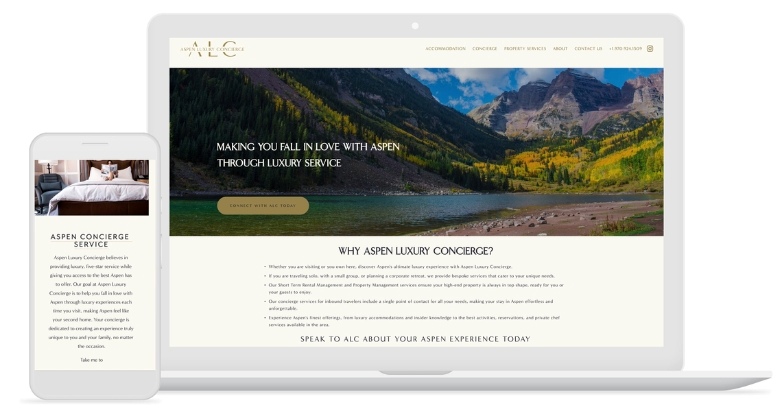
Mediaboom partnered with Aspen Luxury Concierge (ALC) to boost engagement and conversions through email marketing, SEO, content, and paid campaigns.
Email Marketing Results:
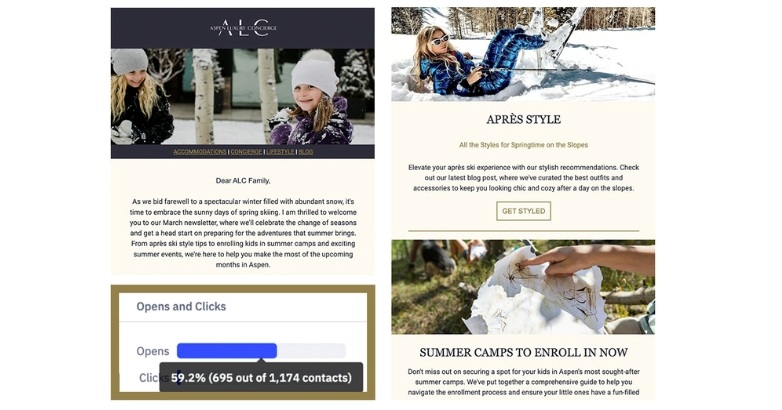
A branded newsletter delivered personalized, high-value content about Aspen travel and exclusive offers, achieving an average open rate of 55%, roughly 35% above the industry average. This helped ALC build loyalty and stronger client relationships.
Overall Impact:
- +9,530% new organic users
- +50% email open rates
- +54% conversions
This case highlights how targeted tourism email marketing can drive engagement, conversions, and loyalty in luxury travel markets.
Explore our Marketing Agency for Travel and Tourism services or contact us to learn more.
WHAT OUR CLIENTS SAY
FAQs About Tourism Email Marketing
I. What is email marketing in tourism?
Tourism email marketing is the practice of sending targeted emails to travelers to promote tours, travel packages, destinations, or special offers. It aims to increase bookings, nurture relationships, and retain customers. Examples include newsletters, automated booking confirmations, promotional campaigns, and post-trip follow-ups. By delivering personalized, relevant content directly to the traveler’s inbox, tourism businesses can drive engagement, loyalty, and repeat bookings efficiently.
II. What is the 60/40 rule in email?
The 60/40 rule in email marketing suggests that 60% of your content should provide value (travel tips, guides, or insider information) while 40% is promotional (offers, discounts, or packages). Following this ratio keeps subscribers engaged, builds trust, and encourages bookings without overwhelming readers with constant sales pitches. For tourism operators, this approach balances inspiration with actionable offers.
III. What are the 7 Ps of tourism marketing?
The 7 Ps are a marketing framework adapted for tourism: Product (tour or service), Price (cost strategy), Place (distribution channels), Promotion (advertising and email campaigns), People (staff and customer service), Process (booking and service delivery), and Physical Evidence (websites, brochures, reviews). Applying the 7 Ps ensures tourism businesses create memorable, well-structured experiences that attract and convert travelers.
IV. What are the 5 A’s of tourism marketing?
The 5 A’s describe the traveler journey: Aware (learning about your service), Appeal (interest is generated), Ask (seek more information), Act (booking occurs), and Advocate (sharing experiences or reviews). Tourism email marketing can support each stage, newsletters for awareness, storytelling emails for appeal, personalized offers to drive action, and post-trip follow-ups to encourage advocacy
Elevate Your Hospitality Brand Today
Schedule Your Free Consultation
Seeking to elevate your business? Let Mediaboom guide you. Secure your exclusive, free consultation with our digital marketing experts today.
Conclusion
Tourism email marketing is one of the most powerful tools for travel businesses looking to increase bookings, build customer loyalty, and position themselves as industry authorities. By combining audience segmentation, personalization, automation, compelling content, and continuous optimization, travel operators, tour companies, and hotels can transform email campaigns into a high-ROI revenue engine.
The key takeaways:
- Segment your audience to deliver highly relevant offers.
- Personalize messages to resonate with traveler preferences.
- Automate emails to ensure timely communication.
- Use engaging content and strong CTAs to inspire action.
- Measure, analyze, and optimize campaigns for continuous improvement.
- Overcome common challenges like spam filters, compliance, and list quality to maintain trust and effectiveness.
For travel businesses looking to elevate their email marketing, exploring professional support can be a game-changer. Check out our Marketing Agency for Travel and Tourism services for tailored strategies, or get in touch directly via our Contact Page to discuss how we can help maximize your campaigns.
By implementing these strategies, your tourism email marketing will not only drive immediate bookings but also create a loyal customer base that returns year after year. With the right tools, insights, and approach, your emails can become a trusted channel for inspiring travel and growing your business.
By: Frank DePino
Frank DePino is the Principal and Founder of Mediaboom, a top hotel marketing agency partnering with leading hotel and hospitality brands. With 30+ years of experience, he has led strategic digital initiatives for names including Four Seasons, Ritz-Carlton, JW Marriott, Millennium Partners, and Guardian Jet. Frank helps hospitality businesses strengthen brand presence, drive qualified leads, and elevate guest experiences through website design, SEO, content marketing, and paid media. Under his leadership, Mediaboom is a trusted partner for brands pursuing measurable digital growth in a competitive hospitality landscape.