
Google Ads for Hotels in 2026 – A Complete Guide to Driving Direct Bookings

By: Frank DePino | March 16, 2026


Loading the Elevenlabs Text to Speech AudioNative Player...
In the hyper-competitive landscape of 2026, every “hotels near me” search is a battleground. Between aggressive OTA brand-poaching and AI-driven search shifts, maintaining a visible presence is no longer optional—it is a survival tactic. Utilizing Google Ads for hotels in 2026 provides the immediate visibility and granular control needed to capture high-intent travelers before they slide into commission-heavy third-party channels.
By integrating real-time rates through Hotel Ads and leveraging Performance Max campaigns, properties can reclaim their brand presence and own the guest relationship from the first click. Whether you are defending your name or targeting new audiences, a data-driven strategy ensures your property isn’t just seen, but booked.wth and are often more cost-effective than paying third-party commissions.
In this guide, we will explore how to master these tools to outpace intermediaries and drive sustainable direct revenue.
Here’s what’s included:
- What Is the Difference Between Google Hotel Ads and Google Ads?
- How Does Google Hotel Ads Work?
- Benefits of Having Hotel Google Ads
- Challenges and Limitations of Google Ads for Hotels
- Google Hotel Ads Strategies
- How to Set Up Google Hotel Ads for Your Property
- Common Mistakes
- Measuring Success
- Success Stories In Google Hotel Ads
- FAQs
- Conclusion
This guide explains how Google Ads for hotels work in 2026, the benefits and challenges, and how to build a strategy that competes effectively with OTAs.
Ready to turn searchers into guests?
Download Our FREE Guide
Outrank OTAs & Drive Direct Bookings With Our Hospitality Digital Marketing Guide
Learn how leading hotels increase website traffic, reduce OTA commissions, and convert more guests with targeted digital marketing strategies.
1. What Is the Difference Between Google Hotel Ads and Traditional Google Ads?
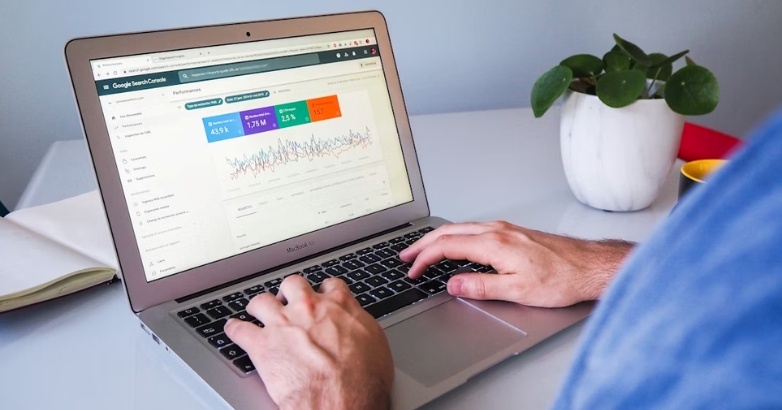
Understanding the distinction between Google Hotel Ads and traditional Google Ads is key when promoting your property online. These two platforms serve different purposes, cater to different user behaviors, and offer unique features. Here’s how they compare:
Placement
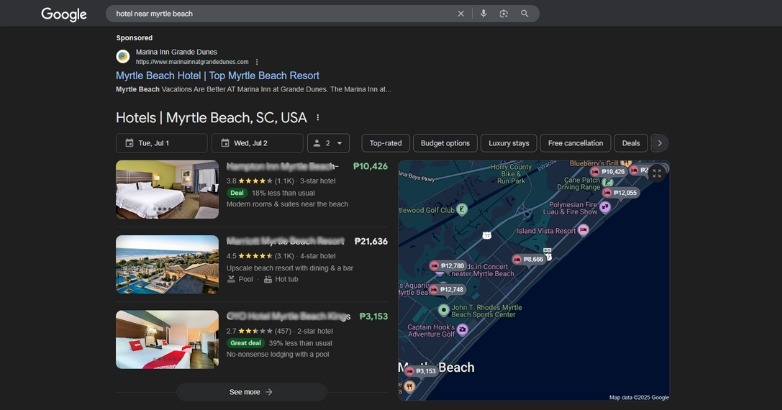
Google Hotel Ads appear in high-intent locations like the SERP hotel module, Google Maps, and the Travel tab. This gives your property direct exposure when users are actively looking for hotels in a specific area.
Google Ads, by contrast, show up in more generalized placements like text ads or shopping boxes. These often target users earlier in the funnel who may not be ready to book.
Data Feed
Google Hotel Ads use live room rates and availability pulled directly from Hotel Center. This dynamic feed ensures your listings are accurate and timely, syncing with your actual inventory.
With Google Ads, content is triggered by keywords and relies on static, creative ad copy, no live feed or room availability is involved.
Pricing Models
Google Hotel Ads offer flexible pricing models such as:
- Cost-per-click (CPC)
- Target return on ad spend (tROAS)
- Pay-per-stay (PPS)
These options cater to different goals, whether you want guaranteed ROI or prefer to only pay when guests actually stay.
Traditional Google Ads use standard CPC or CPM bidding, which may not be as tightly aligned with your booking metrics.
User Intent
Perhaps the most significant difference lies in user intent. Travelers who click on Google Hotel Ads have already selected their travel dates, which places them lower in the booking funnel. This makes each click more valuable and conversion-ready.
With Google Ads, users are often still researching, so the intent to book is less immediate.
If you need help with paid ads, consider a professional hotel PPC agency supported by a hotel marketing agency to ensure campaigns align with broader brand strategy and revenue goals.
Elevate Your Hospitality Brand Today
Schedule Your Free Consultation
Seeking to elevate your business? Let Mediaboom guide you. Secure your exclusive, free consultation with our digital marketing experts today.
2. How Does Google Hotel Ads Work?
Google Hotel Ads connects your property with travelers at the exact moment they’re ready to book. To succeed on this platform, it’s critical to understand how the system operates from feed management to ranking factors.
Hotel Center or Connectivity Partner
To participate in Google Hotel Ads, you’ll need to push your inventory, rates, taxes, and fees in real time. This is done via the Google Hotel Center or through a connectivity partner. Real-time accuracy is crucial for staying competitive.
Bold insight: A two-second delay in rate updates can push your ad below OTAs. That means lost visibility and lost bookings.
Auction Logic
Just like traditional ads, Google Hotel Ads uses an auction to determine ranking. But here, your rate parity, bid amount, and ad quality score all factor into your visibility.
Staying price competitive and maintaining high-quality listings ensures your ad gets prime placement above the OTAs.
Booking Flow
The process is seamless for the traveler: they select a deal, land on your booking engine, and complete their reservation. You maintain full control of the guest relationship, bypassing middlemen and keeping more of your revenue.
3. Benefits of Having Hotel Google Ad
When executed strategically, Google Ads deliver measurable advantages for hotels:
More Direct Bookings and Higher Profit Margins
Driving traffic directly to your booking engine reduces reliance on OTAs and protects revenue otherwise lost to commissions.
Stronger Visibility on High-Intent Searches
Your hotel appears in Google Maps, hotel modules, and the Travel tab when travelers have already selected dates and location.
Better Control Over Occupancy and ADR
Bids can be adjusted by season, demand, device, and length of stay, allowing hotels to protect ADR during peak periods and stimulate demand in low seasons.
Full Ownership of Guest Data
Direct bookings allow hotels to engage guests before arrival with upgrades, packages, and personalized offers.

4. Challenges and Limitations of Google Ads for Hotels
Rising Cost-Per-Click (CPC) and Competitive Pressure
One of the primary challenges in hotel advertising through Google Ads is the continuous increase in cost-per-click, largely driven by intense competition from online travel agencies (OTAs). OTAs typically possess larger advertising budgets and employ aggressive bidding strategies to secure prominent ad placements. As a result, individual hotels—particularly independent or small-scale properties—may experience reduced visibility or diminishing returns on ad spend, making it difficult to compete effectively without strategic bid management and differentiation.
Seasonality and Demand Volatility
Hotel demand is inherently seasonal, influenced by factors such as holidays, weather patterns, and local events. During periods of low demand, maintaining consistent advertising budgets can lead to inefficient spending, as lower conversion rates reduce campaign profitability. Without dynamic budget allocation and bid adjustments aligned to demand fluctuations, Google Ads campaigns may fail to deliver optimal performance across different seasons.
Tracking and Attribution Limitations
Accurate performance measurement depends heavily on robust conversion tracking. However, many hotel advertisers track only intermediate actions, such as website visits or search queries, rather than completed bookings and confirmed revenue. This limitation restricts the ability to assess true return on investment and can lead to suboptimal optimization decisions. Incomplete attribution models further obscure the customer journey, particularly in cases involving multiple touchpoints prior to booking.
Dependence on Feed Accuracy and Data Quality
Google Ads for hotels relies extensively on real-time data feeds that provide pricing, availability, and inventory information. Inaccurate, delayed, or poorly synchronized feeds can result in outdated rates being displayed, reduced ad eligibility, or even temporary suspension from auction participation. Such inconsistencies not only diminish ad visibility but may also undermine consumer trust, ultimately affecting conversion rates.
By systematically addressing these challenges, hotels can set realistic expectations and design more resilient advertising strategies that account for both market dynamics and technical constraints.with reality.
Download Our FREE Guide
Outrank OTAs & Drive Direct Bookings With Our Hospitality Digital Marketing Guide
Learn how leading hotels increase website traffic, reduce OTA commissions, and convert more guests with targeted digital marketing strategies.
5. Google Hotel Ads Strategies
Running Google Hotel Ads is more than flipping a switch it’s about using smart, data-driven tactics to gain an edge over the competition. Here’s how to fine-tune your approach:
Bidding Playbook
Begin with a cost-per-click (CPC) strategy to test performance and collect data. Once your campaign gains traction and you see consistent bookings, shift to target ROAS (return on ad spend) bidding to optimize for profitability.
This transition allows Google’s algorithm to prioritize conversions over clicks giving you more control over ROI.

Segmentation
For more granular targeting and budget efficiency, segment your campaigns by:
- Device type (desktop vs. mobile)
- Length of stay (weekend vs. extended trips)
- Source market (domestic vs. international travelers)
Segmentation helps you align offers and messaging with traveler behavior—maximizing conversion potential.
Rate Tactics
To stay competitive, undercut OTAs by just $1. This small difference is often enough to win the click while protecting your average daily rate (ADR). It positions your hotel as the best deal without slashing profits.
Advanced Moves
Level up your strategy with these two power plays:
- Layer in Performance Max “hotel goal” campaigns to expand reach across Google’s entire inventory, including YouTube, Gmail, and Display.
- Run display remarketing campaigns targeting users who abandoned the booking flow. Bring them back with custom offers or urgency-driven messaging.
6. How to Set Up Google Hotel Ads for Your Property
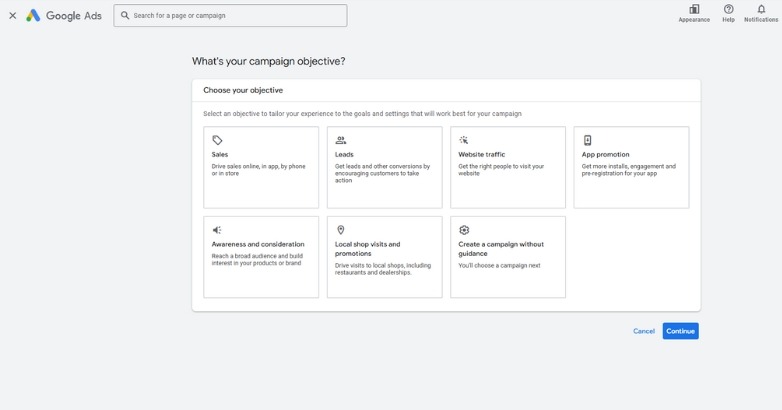
Getting started with Google Hotel Ads takes just a few key steps. When done right, you can start attracting direct bookings within days. Follow this checklist to set your hotel up for success:
Polish Your Google Business Profile
Make sure your Google Business Profile is accurate and complete. Add compelling photos, updated amenities, and correct contact details. This is the foundation of your Hotel Ads presence and impacts both trust and click-through rates.
Choose a Certified Connectivity Partner or Build a Hotel Center Feed
You’ll need to push live availability, rates, and taxes to Google. The simplest way is to work with a certified connectivity partner. If you have the resources, you can also build your own Hotel Center feed though it’s more technical.
Download Our FREE Guide
Outrank OTAs & Drive Direct Bookings With Our Hospitality Digital Marketing Guide
Learn how leading hotels increase website traffic, reduce OTA commissions, and convert more guests with targeted digital marketing strategies.
Link Hotel Center to Google Ads
Once your feed is live, connect your Hotel Center account to your Google Ads account. This integration allows you to start bidding and targeting the right audience.
Import Conversions and Set Values
To track performance accurately, import your booking conversions into Google Ads and assign appropriate conversion values. This helps you measure ROAS and optimize bids effectively.
Launch First Campaign and Monitor Bids Daily
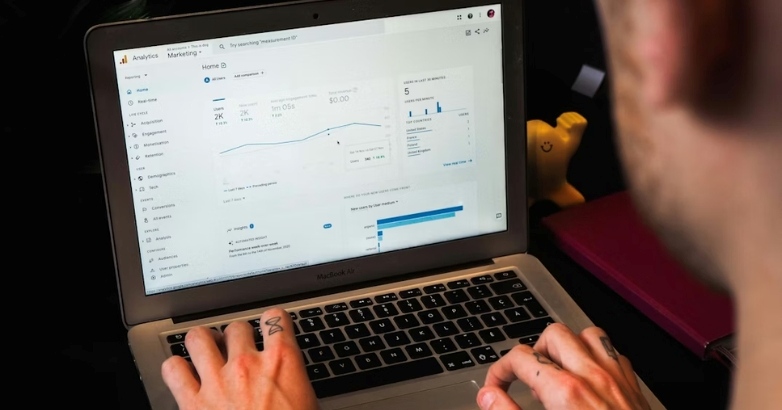
Now you’re ready to go live. Launch your first campaign using CPC bidding, and monitor bids daily during the first few weeks. Adjust based on performance to drive the most bookings at the best cost.
7. Common Mistakes
Even with the right strategy, small missteps in your Google Hotel Ads setup can cost you bookings and budget. Avoid these pitfalls to keep your campaigns running smoothly:
Stale Inventory or Closed Dates in the Feed
If your feed isn’t updated in real time, users may see unavailable rooms or blocked-out dates. This leads to lost trust and wasted ad spend. Your connectivity partner or Hotel Center feed must stay fully synced.
Tax and Fee Mismatches Causing Price Shocks
Price transparency is critical. When taxes or fees don’t match between your ad and booking engine, guests feel tricked and often bounce. Make sure taxes and service fees are aligned across platforms.
WHAT OUR CLIENTS SAY
One-Size Bids Across Devices and Markets
Bidding the same for desktop and mobile, or ignoring geographic targeting, weakens your performance. Segment campaigns to adjust bids based on device, region, and booking behavior.
Tracking Set to “Page View” Instead of “Completed Purchase”
Many campaigns track visits to the booking engine instead of actual reservations. Fix this by setting your goal to “completed purchase” only then can you accurately measure ROAS and optimize smartly.
8. Measuring Success
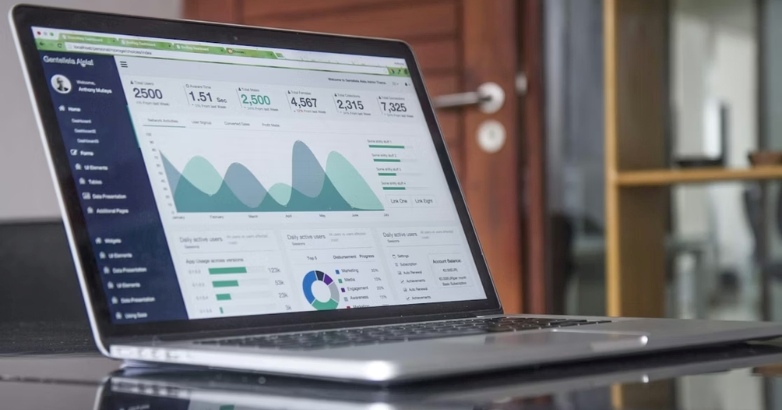
Once your Google Hotel Ads are live, tracking results isn’t optional it’s how you grow smarter and drive stronger ROI. Here’s how to stay on top of performance:
Core KPIs
The most meaningful metrics for hotel campaigns include:
- ROAS (Return on Ad Spend)
- Cost-per-booking
- Impression share
- Click share
These KPIs help you understand how visible and effective your ads are and what kind of return they’re delivering.
Dashboards
Use the Google Ads Hotel reports for day-to-day performance insights. For multi-property operators, set up a Looker Studio dashboard to roll up performance across hotels, visualize trends, and streamline reporting.
Optimization Loop
Success isn’t set-and-forget. Review performance weekly. Raise bids where margin allows. Pause low performers. This steady optimization loop keeps your ad spend efficient and your strategy aligned with real results.
9. Success Stories In Google Hotel Ads
Marina Inn at Grande Dunes
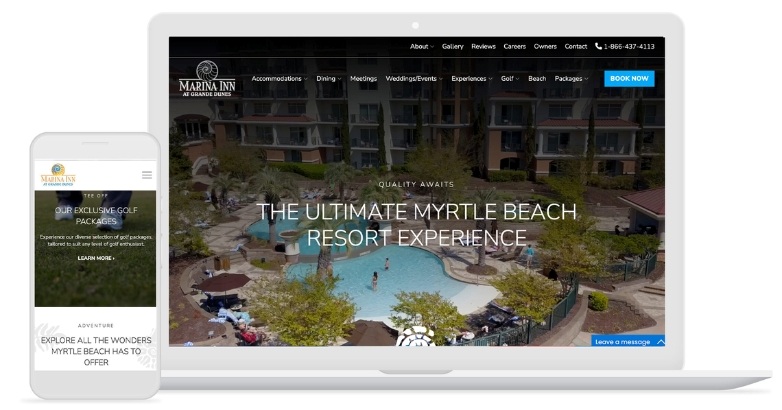
Mediaboom partnered with Marina Inn at Grande Dunes to grow direct bookings and reduce costly OTA fees. By implementing a Google Hotel Ads strategy, we ensured the property appeared at the top of travelers’ searches, precisely when they were ready to book.
Our team combined this effort with a refreshed digital presence, featuring high-quality photography and intuitive booking functionality. The result? Marina Inn saw a notable increase in direct bookings, improving profit margins by reducing dependence on OTAs.
If you want to boost your direct bookings and cut OTA costs, reach out to our team today.
JW Marriott
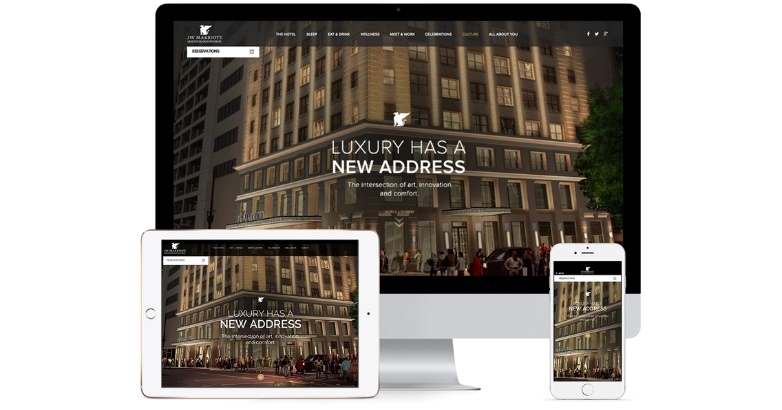
JW Marriott turned to Mediaboom to increase direct bookings and build stronger guest relationships. Using Google Hotel Ads, we developed targeted campaigns that attracted travelers searching for premium accommodations, driving them straight to the hotel’s official booking platform.
With new landing pages designed to convert, and compelling promotional offers, JW Marriott achieved a significant drop in OTA commissions and a sharp rise in direct revenue.
Looking to reduce OTA reliance and build brand loyalty? Connect with us to discover how Mediaboom can help.
FAQs
I. What budget should hotels allocate to Google Ads in 2026?
Budgets depend on market competitiveness, seasonality, and goals, but most hotels start with a test budget and scale based on ROAS.
II. How long does it take to see ROI from Google Ads for hotels?
Most hotels see early performance within 30–60 days, with stronger profitability after consistent optimization.
III. Is bidding on brand keywords necessary?
Yes, defending your brand prevents OTAs from capturing high-intent traffic searching specifically for your hotel.
Elevate Your Hospitality Brand Today
Schedule Your Free Consultation
Seeking to elevate your business? Let Mediaboom guide you. Secure your exclusive, free consultation with our digital marketing experts today.
Conclusion
Google Ads for hotels remain one of the most powerful tools for driving direct bookings in 2026, especially when managed with strategy, discipline, and long-term planning in collaboration with a hotel marketing agency. By combining Hotel Ads, Search, and automation responsibly, hotels can reduce OTA dependency and grow sustainable revenue.
If you want your Google Ads strategy built and managed according to best practices, Mediaboom can help you compete smarter and convert more direct bookings.
By: Frank DePino
Frank DePino is the Principal and Founder of Mediaboom, a top hotel marketing agency partnering with leading hotel and hospitality brands. With 30+ years of experience, he has led strategic digital initiatives for names including Four Seasons, Ritz-Carlton, JW Marriott, Millennium Partners, and Guardian Jet. Frank helps hospitality businesses strengthen brand presence, drive qualified leads, and elevate guest experiences through website design, SEO, content marketing, and paid media. Under his leadership, Mediaboom is a trusted partner for brands pursuing measurable digital growth in a competitive hospitality landscape.